At Nivera Child Development Center (Nivera CDC), we understand that parents often have many questions when it comes to their child’s development, assessment, and therapy.
Whether you are noticing early signs of delay or looking for the right support plan, getting clear and honest answers matters.

To help parents feel informed and confident, we’ve answered some of the most common questions about developmental assessment and therapy services at Nivera CDC.

Assessment Related FAQs

If you notice that your child is not meeting age-appropriate milestones in speech, behaviour, learning, social interaction, or motor skills, it is a good idea to schedule an assessment.

Common signs include:

  • Delayed speech or unclear communication

  • Poor eye contact or reduced social interaction

  • Hyperactivity or difficulty focusing

  • Trouble understanding instructions

  • Sensory issues

  • Behavioural concerns

  • Delayed motor development

  • Learning difficulties

If you have concerns, it is always better to assess early rather than wait too long.

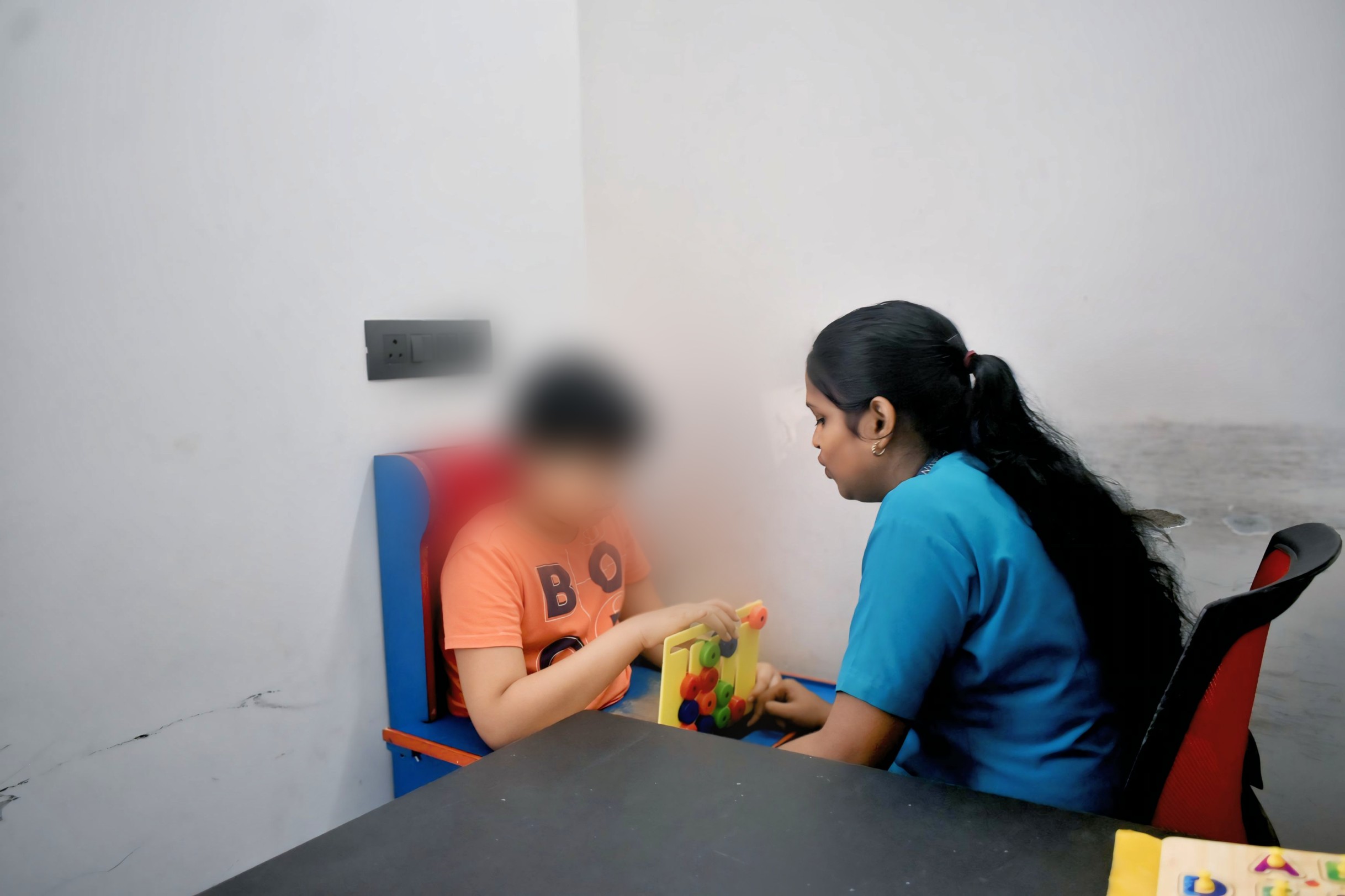
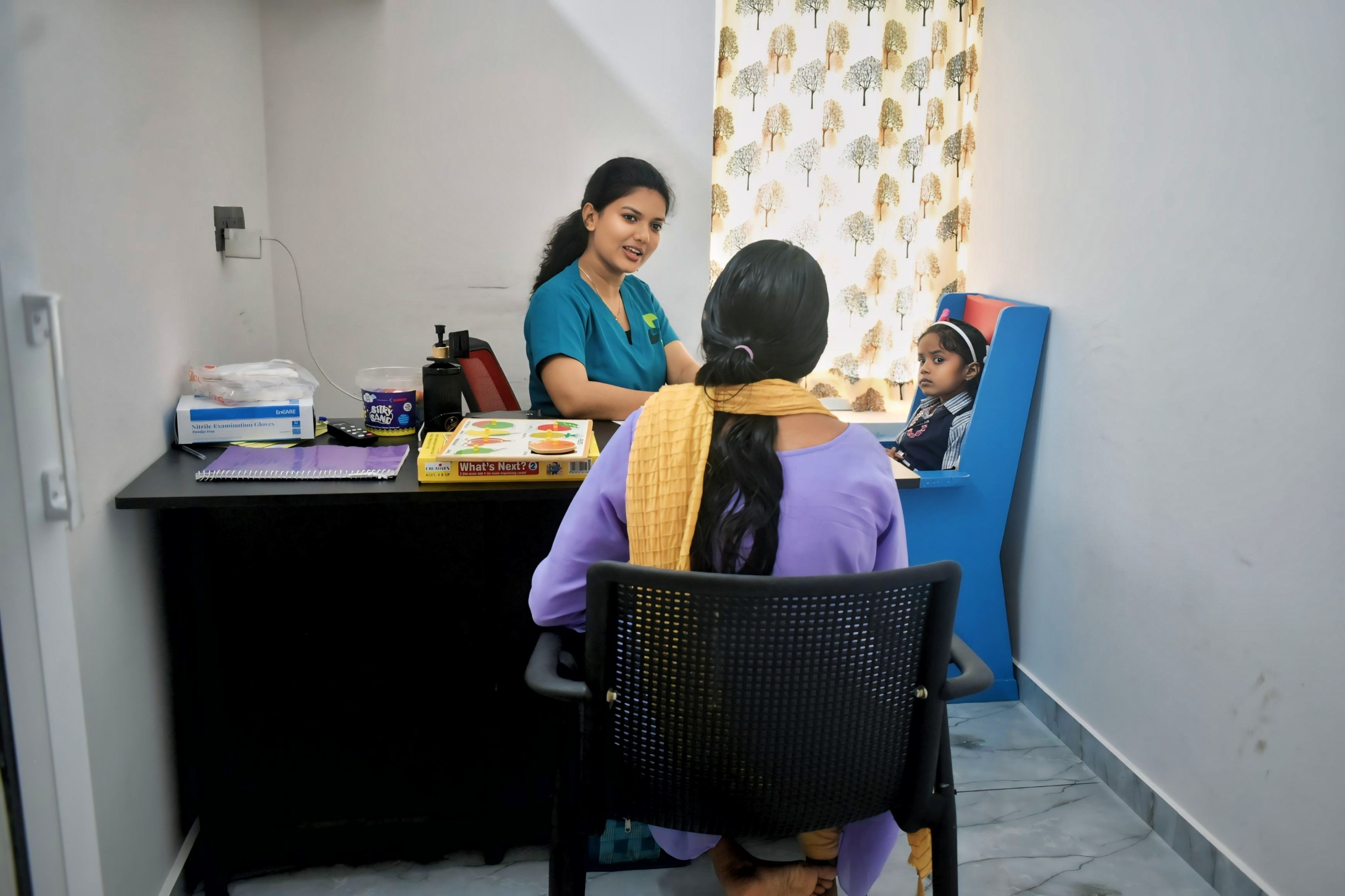
During the first assessment, our team carefully observes your child’s development in a calm and child-friendly environment.

We usually assess areas such as:

  • Speech and communication

  • Social interaction

  • Attention and behaviour

  • Sensory responses

  • Fine motor and gross motor skills

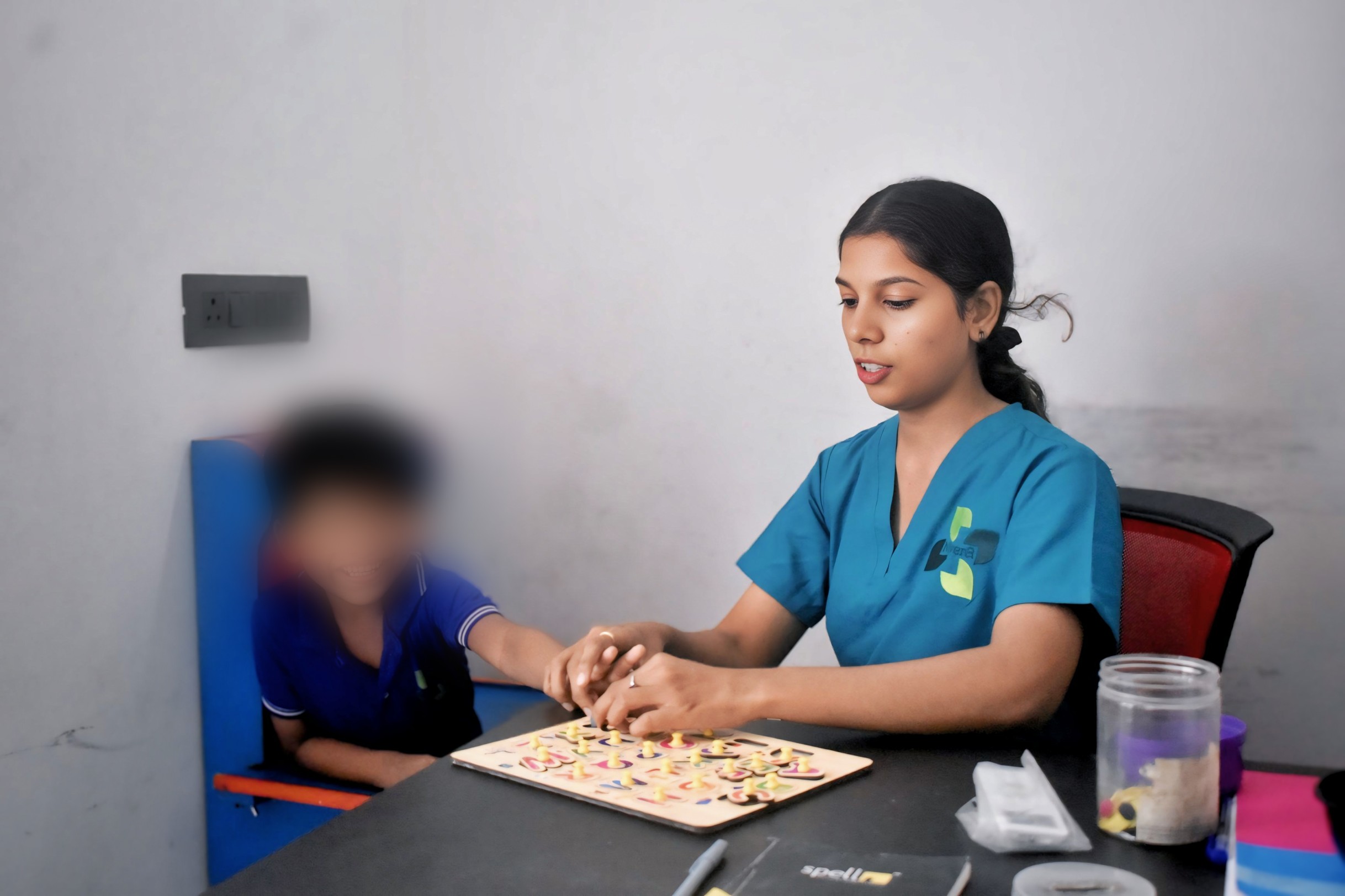
  • Learning and play skills

  • Daily functional abilities

We also spend time understanding the parent’s concerns, developmental history, and home/school observations before recommending the next steps.

No.
At Nivera CDC, assessments are designed to be gentle, child-friendly, and comfortable.

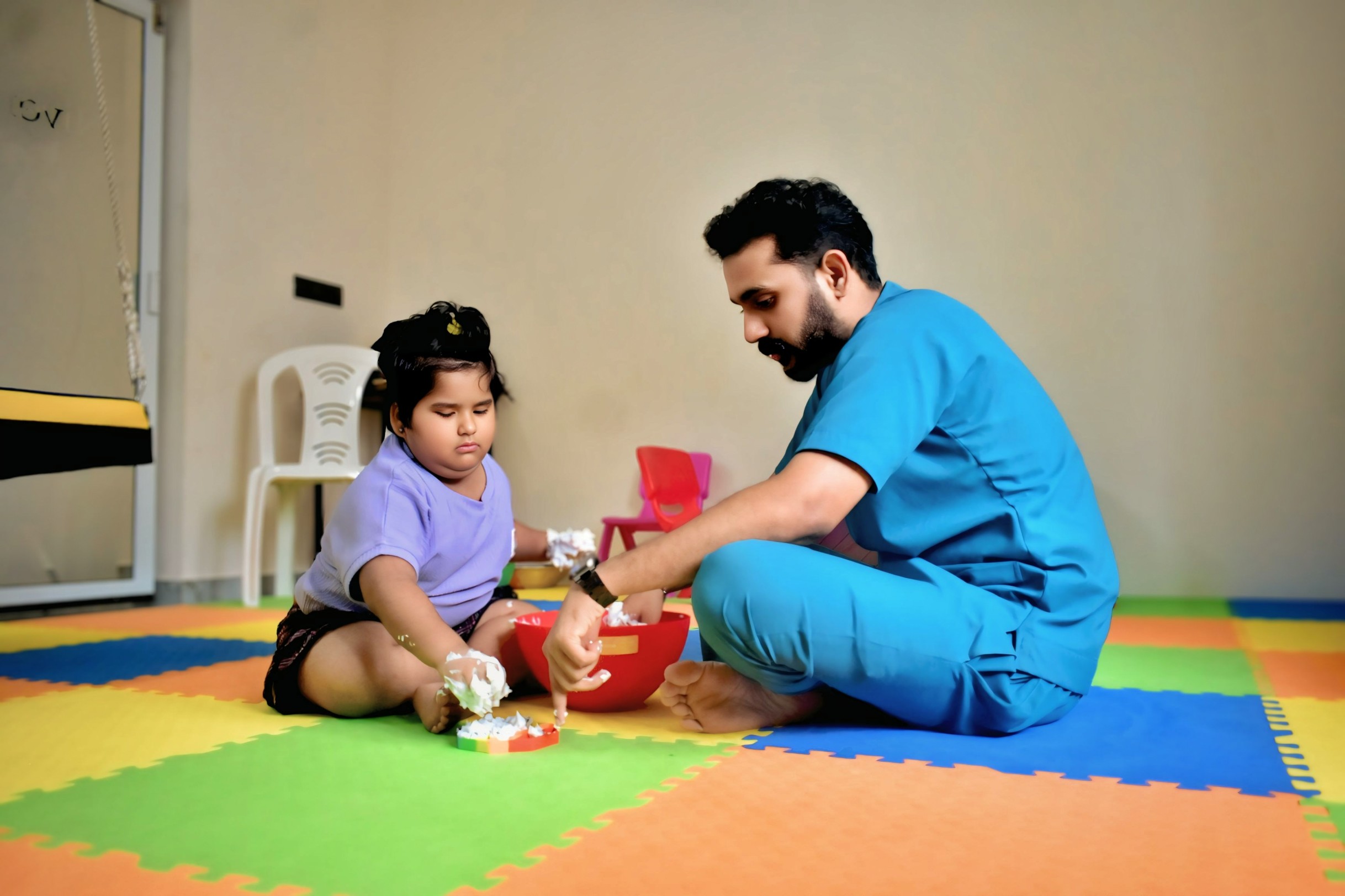
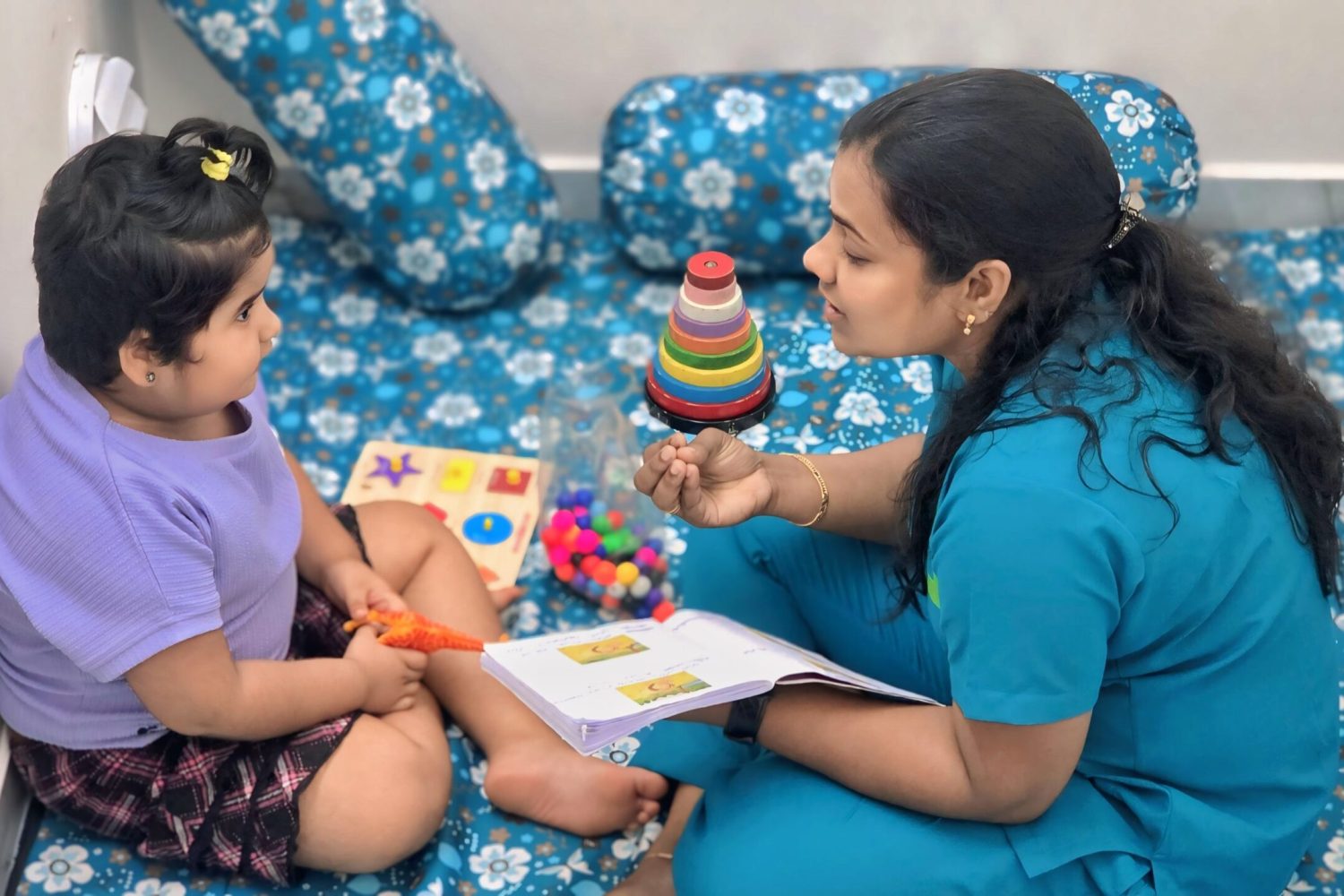
We use play-based interaction, simple activities, and natural observation rather than forcing the child into stressful tasks.
Our goal is to understand your child in a safe and supportive way.

The assessment duration depends on the child’s age, developmental concerns, and the type of evaluation required.

In most cases:

  • Initial assessment may take 45 to 90 minutes

  • Some children may need more than one session for a complete understanding

We believe in careful assessment rather than rushing to conclusions.

Not always.

The first visit helps us understand your child’s developmental profile and identify areas of concern.
In some cases, further observation, therapy input, or referral to a developmental pediatrician or specialist may be needed before confirming a diagnosis.

At Nivera CDC, our focus is on understanding your child’s needs clearly before giving labels.

We commonly assess children with concerns related to:

  • Autism Spectrum Disorder (ASD)

  • ADHD / attention and hyperactivity concerns

  • Speech and language delay

  • Developmental delay

  • Learning difficulties

  • Sensory processing issues

  • Behavioural concerns

  • Fine motor and gross motor delays

  • Social communication challenges

  • Daily living and functional skill difficulties

Every child is unique, so we assess the whole child, not just one symptom.

In many cases, waiting too long can delay the support your child needs.

While every child develops at a different pace, consistent concerns in speech, behaviour, learning, or social development should not be ignored.

An early assessment can either:

  • Reassure you if development is within range, or

  • Help identify the right intervention at the right time

Early clarity is always better than delayed action.

For the first assessment, it helps if parents bring:

  • Previous medical or therapy reports (if any)

  • School feedback or teacher observations

  • Developmental history details

  • Any concerns noted at home

  • Videos of behaviours or communication patterns (if relevant)

The more background we understand, the better we can guide you.

After the assessment, our team will explain:

  • Your child’s strengths

  • Areas that need support

  • Whether therapy is recommended

  • Which therapy is most suitable

  • What goals should be prioritised first

Not every child needs multiple therapies.
We recommend only what is genuinely useful for your child’s development.

Early assessment helps identify concerns before they become bigger challenges later in school, communication, behaviour, or daily functioning.

Early support can help improve:

  • Language development

  • Attention and behaviour

  • Social skills

  • Learning readiness

  • Independence

  • Confidence in daily activities

The earlier the concern is understood, the better the chances for meaningful progress.

Therapy Related FAQs

Based on your child’s individual needs, we may recommend:

  • Speech Therapy

  • Occupational Therapy

  • Behavioural Therapy

  • Special Education Support

  • Sensory Integration Therapy

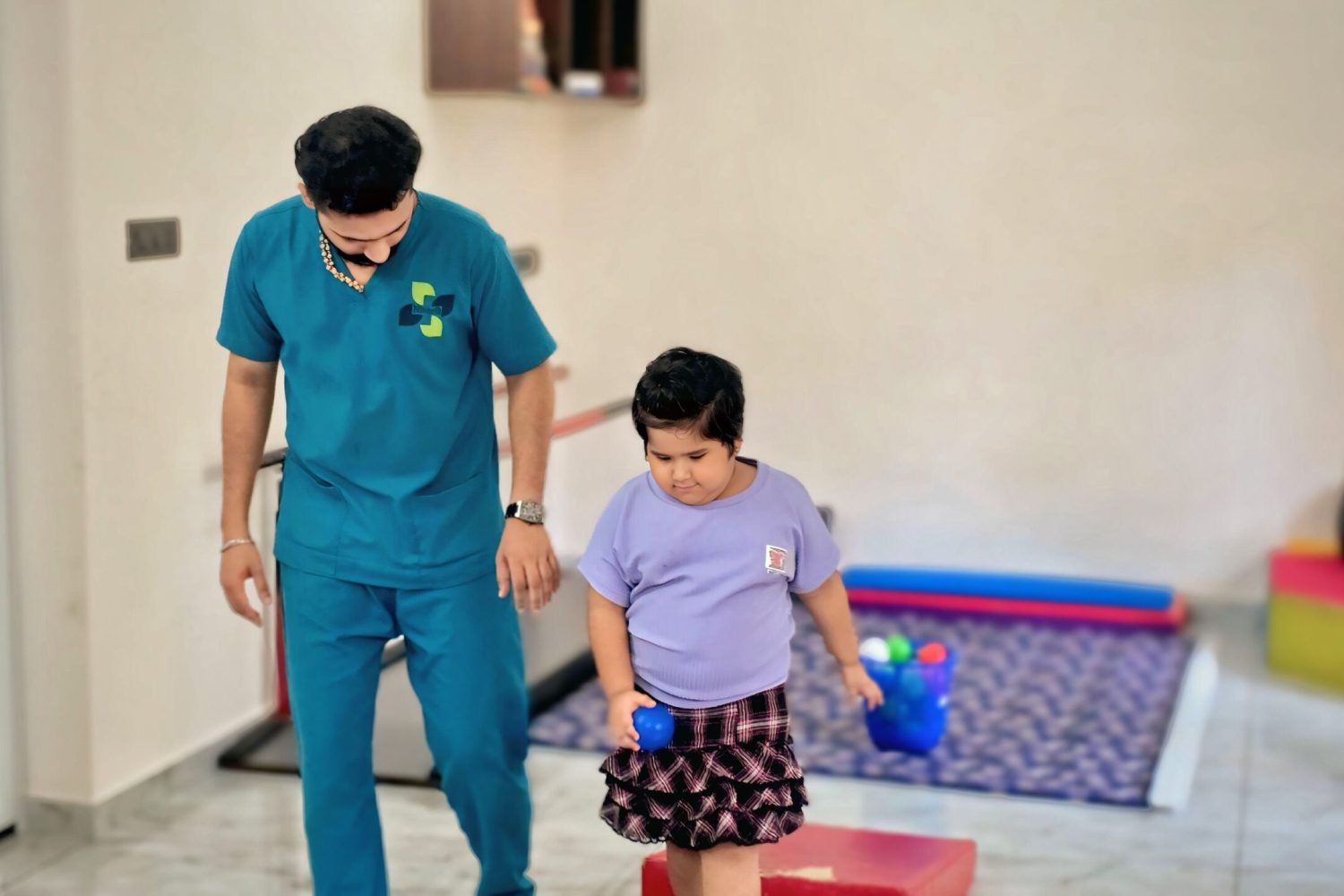
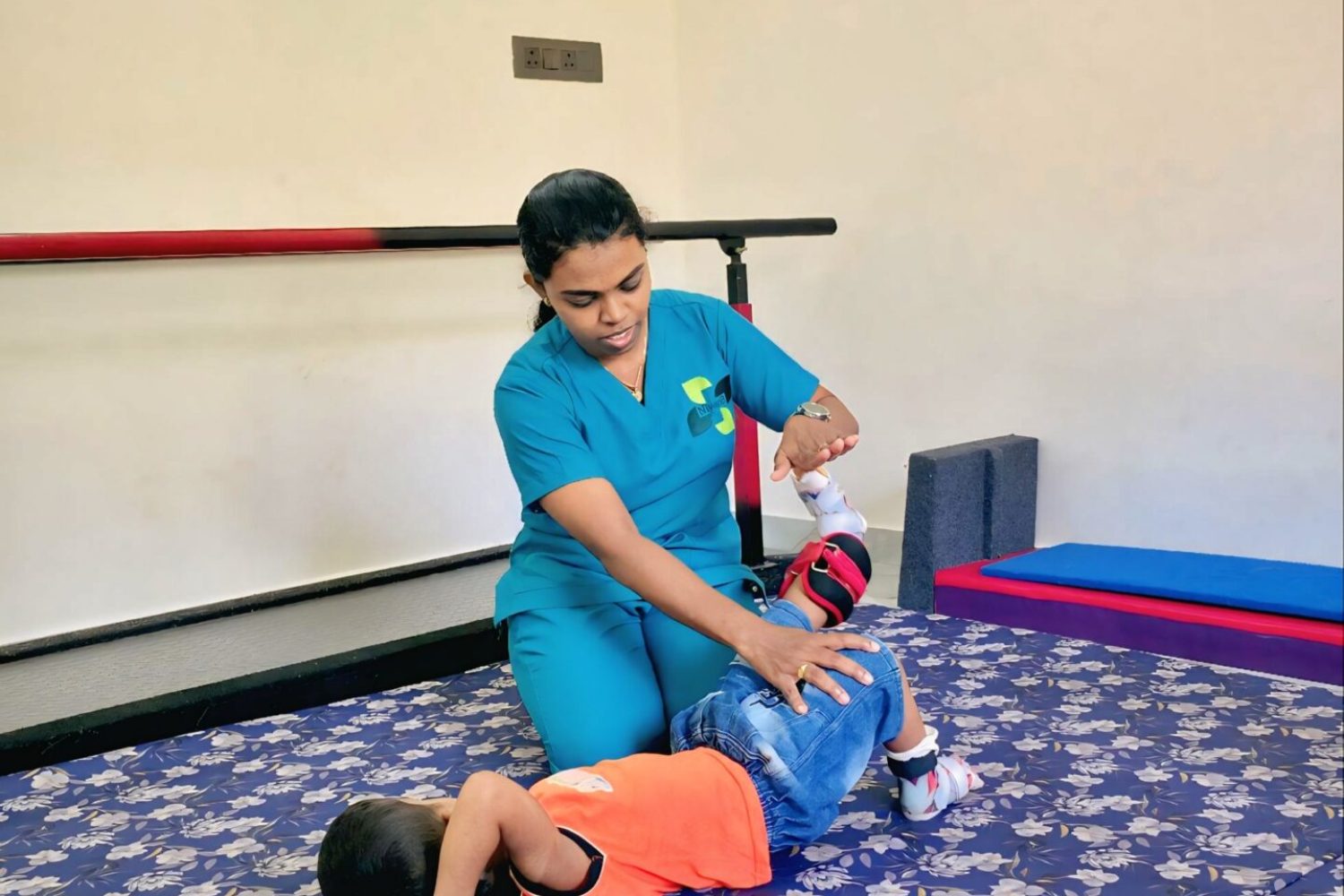
  • Physiotherapy (if needed)

  • Parent Guidance and Home Program Support

Every therapy plan is tailored to the child, not based on a fixed package.

After the assessment, we identify your child’s:

  • Strengths

  • Areas of difficulty

  • Priority developmental goals

  • Functional challenges at home and school

Based on this, we create an individualised therapy plan focused on the areas that will make the biggest difference in your child’s daily life.

This depends on:

  • The child’s developmental condition

  • Severity of the challenges

  • Age of the child

  • Consistency of attendance

  • Home practice

  • Parent involvement

  • Response to therapy over time

There is no fixed number that suits every child.
We review progress regularly and adjust the therapy plan based on your child’s actual needs.

Some children show early changes within a few weeks, such as:

  • Better eye contact

  • Improved attention

  • Reduced frustration

  • Better response to name

  • Improved participation in activities

However, meaningful progress usually takes time, consistency, and repetition.

Therapy is not a quick fix.
It is a structured process that works best when clinic sessions and home support go together.

Therapy is not about promising a “quick cure.”

The purpose of therapy is to:

  • Improve communication

  • Increase independence

  • Reduce behavioural challenges

  • Improve attention and learning readiness

  • Strengthen social interaction

  • Build functional life skills

Some children make major progress.
Some need longer-term support.
Our goal is always practical improvement and better quality of life — not unrealistic promises.

This depends on the child’s needs and therapy goals.

Some children may need:

  • 1–2 sessions per week

  • 2–3 sessions per week

  • More than one therapy type in the same week

  • Periodic review-based therapy plans

We recommend a schedule based on what is clinically helpful, not just frequent visits.

In many cases, yes.

Depending on the child’s age, comfort, and therapy type:

  • Parents may stay inside the session

  • Parents may observe part of the session

  • Parents may receive guidance separately

  • Some sessions may be one-on-one for better focus

Parent involvement is important because progress happens faster when therapy continues at home too.

Yes.
Parent guidance is a very important part of therapy at Nivera CDC.

We help parents with:

  • Communication strategies

  • Behaviour management support

  • Sensory regulation ideas

  • Play-based learning activities

  • Routine-building methods

  • Simple home exercises where needed

Children usually progress better when therapy goals are reinforced consistently at home.

This is common, especially in the beginning.

Many children need time to adjust to:

  • A new environment

  • A new therapist

  • New activities

  • Separation from parents

Our therapists use a gradual and child-friendly approach to build trust first.
The initial goal is comfort and connection, not pressure.

We believe parents should understand the therapy process clearly.

At Nivera CDC, we provide guidance on:

  • What goals are being worked on

  • What progress is being seen

  • Which challenges still need support

  • What parents can continue at home

Progress may sometimes be small at first, but small consistent changes often lead to meaningful long-term improvement.

Yes.

Therapy can help improve:

  • Sitting tolerance

  • Attention span

  • Following instructions

  • Communication with teachers and peers

  • Writing readiness and fine motor skills

  • Sensory regulation

  • Behaviour in structured environments

The aim is not just improvement in the therapy room, but better functioning at home, school, and in daily life.

No

Early intervention is always better, but starting later is still far better than delaying further.

Children can still make meaningful progress with the right therapy, consistent support, and parent involvement.

The best time to start is when the concern is identified — not after waiting longer.

vision for your kid

Concerned about your child’s development?

Book a professional developmental assessment at Nivera Child Development Center and get clear guidance on the right therapy support for your child.

Open chat
Hello ????
Can we help you?