Nivera Child Development Centre > Early Intervention and Multidisciplinary Therapy in Autism
Early intervention can significantly change the developmental trajectory of children with autism. This case study from Nivera Child Development Centre highlights how structured therapy and family involvement helped a young child improve communication, independence, and social interaction.
This real clinical journey demonstrates the impact of multidisciplinary autism therapy, including occupational therapy, speech therapy, sensory integration, and special education.
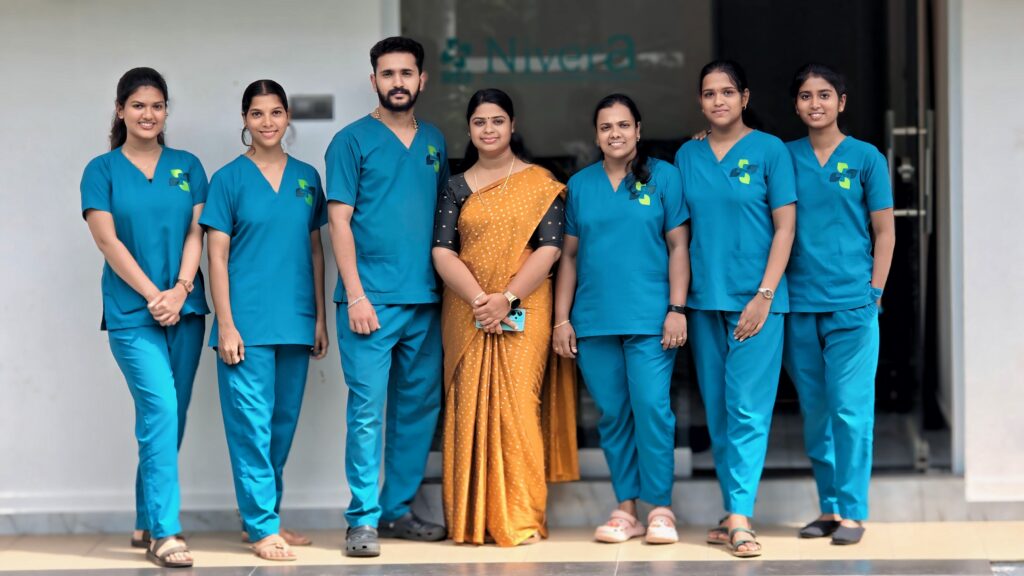
Behavior Therapist
Behavior Therapist
Behavior Therapist
Speech Language Pathologist
Speech Language pathologist
Sensory Integration Therapist
Occupational Therapis
Special Educator
Name: Akash (Name changed for privacy)
Age: 5 years
Gender: Male
Date of Birth: 20/03/2020
Date: 31/03/2025
A 3-year-old boy came to the department with the complaints of obstinacy, increased screen exposure, crying unnecessarily, vocal stimming, grabbing objects, screaming, mouthing, hyperactivity, unaware of danger, lack of interaction and play.
The child was born in a non-consanguineous family with a birth weight of 2.75 kg. His prenatal, neonatal and postnatal history was uneventful.
His motor milestones are reported as normal, speech and language milestones are attained normally but reduced after 2 years. Personal and social milestones were reported as normal. Toilet control not attained.
Before therapy began, Akash showed several developmental challenges:
Poor eye contact and minimal response to his name
Limited interaction with peers
Hyperactivity and frequent screaming
Repetitive behaviors and vocal stimming
Difficulty sitting for activities
Dependency in daily tasks like dressing, eating, and toileting
Sensory sensitivities such as aversion to sticky textures and fear of swings
Although his motor development was normal, speech and communication skills regressed after the age of two.
These early signs prompted the family to seek professional evaluation.
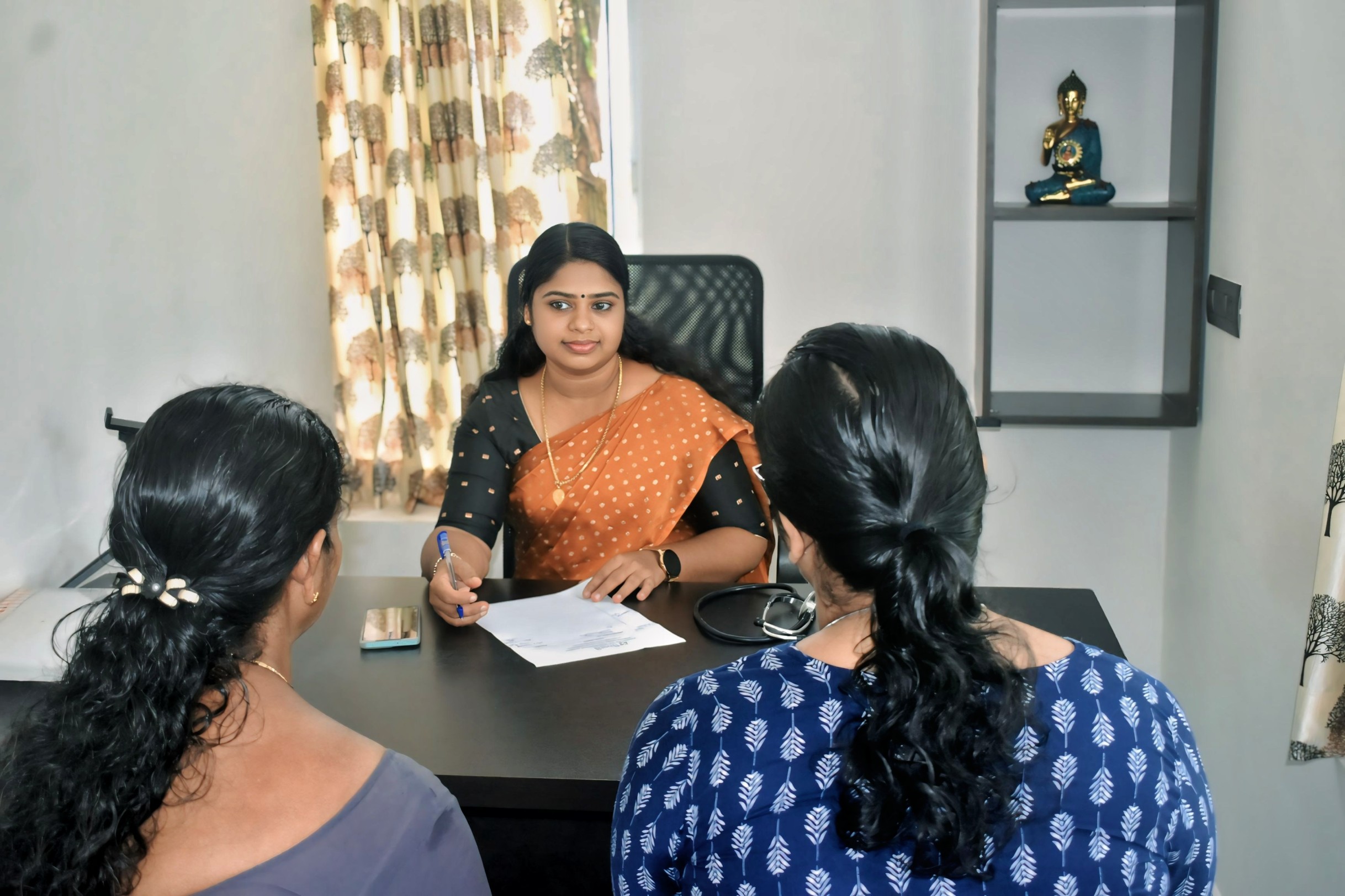
A multidisciplinary team at Nivera Child Development Centre conducted a detailed evaluation using standardized developmental assessments.
Vineland Social Maturity Scale (VSMS)
Indian Scale for Assessment of Autism (ISAA)
Childhood Autism Rating Scale (CARS)
According to VSMS social age was 2.4 social quotients 62 which indicate mild level deficits in socio-adaptive functioning. Indian scale for assessment of autism(IsAA) , Score was 114 which indicates Autism spectrum disorder (Moderate).In Childhood autism rating scale (CARS) score was 33 which indicates Mild-Moderate level Autism spectrum disorder.
During clinical observation sessions:
Eye contact was inconsistent
Attention and concentration were limited
Sitting tolerance was poor
Hyperactivity was observed
Repetitive movements and vocalizations were present
Social interaction with peers was minimal
Sensory assessment indicated tactile sensitivity and vestibular challenges, particularly fear of swings and aversion to certain textures.
Child’s Receptive Language Age (RLA): 10–11 Months
Child’s Expressive Language Age (ELA): 10–11 Months
The speech and language assessment was conducted to evaluate the child’s ability to understand language (receptive skills) and use language to communicate (expressive skills). Based on standardized observation and structured interaction, the child’s receptive and expressive language abilities are currently functioning at an approximate developmental level of 10–11 months.
Communication Behaviors Observed:
Babbling and vocal play present
Uses sounds to express excitement or discomfort
Limited imitation of sounds or words
Limited use of gestures such as pointing or waving
Communication mainly through non-verbal means
The child presents with a significant delay in both receptive and expressive language development when compared to chronological age expectations. Early speech and language intervention is recommended to support communication development, improve understanding of language, encourage imitation, and facilitate functional communication skills.
Based on multidisciplinary assessments, an individualized therapy plan was developed with specific goals across departments.
Improve attention and task engagement
Reduce hyperactive and repetitive behaviours
Improve response to name and verbal instructions
Increase participation in structured activities
Develop appropriate social behaviours and peer interaction
Improve fine motor skills and eye-hand coordination
Increase independence in dressing and self-feeding
Develop toileting skills and daily living independence
Improve sitting tolerance during activities
Address sensory sensitivities through sensory integration therapy
Improve functional communication
Increase expressive vocabulary
Improve comprehension of common objects and instructions
Encourage use of meaningful words and short phrases
Improve greeting and social communication skills
Improve pre-writing and early academic skills
Develop ability to follow instructions
Improve attention during structured learning activities
Enhance cognitive skills such as matching, sorting, and concept identification
Akash participated in a multidisciplinary therapy program designed to address behavioural, communication, sensory, and developmental challenges.
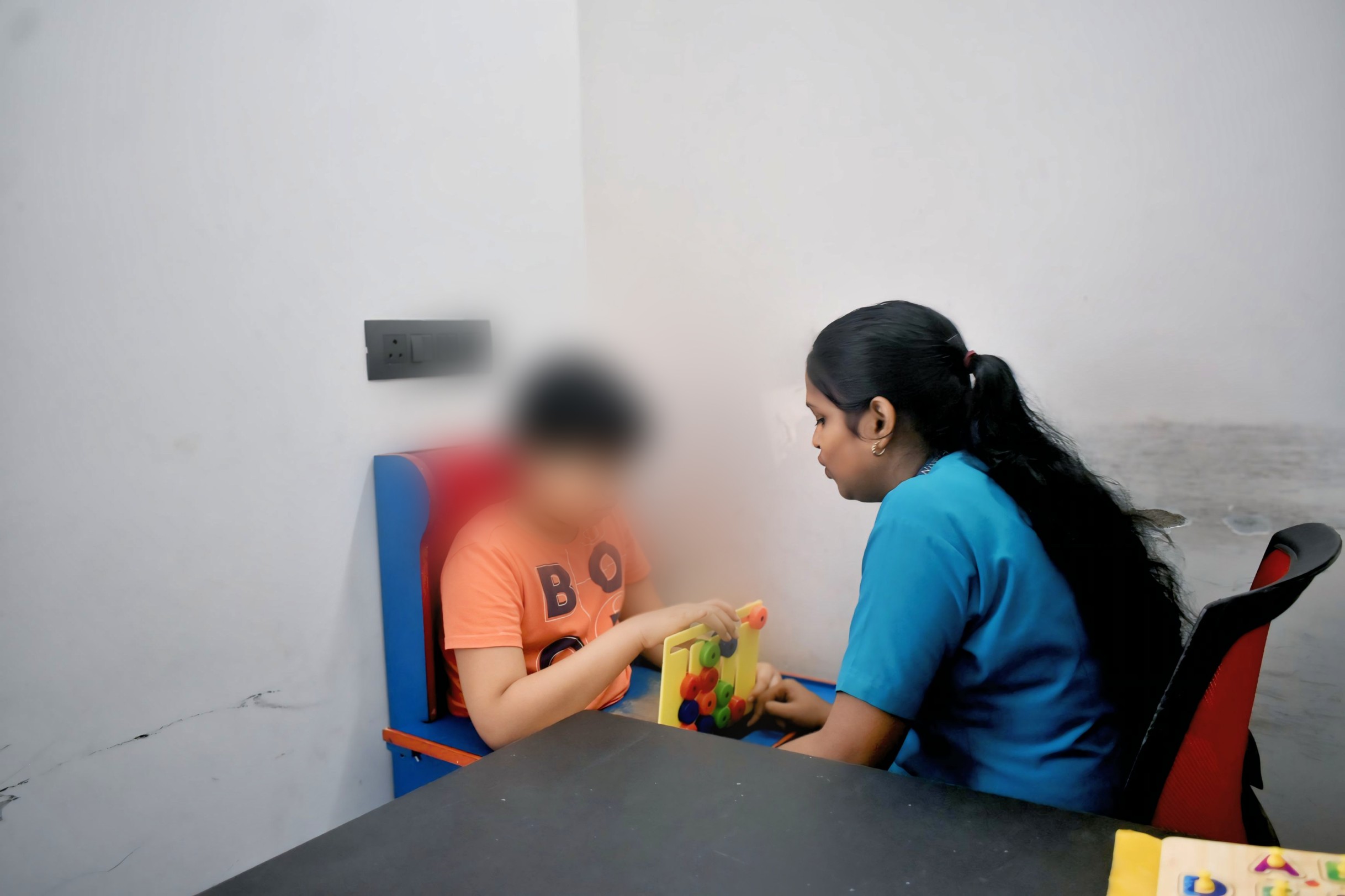
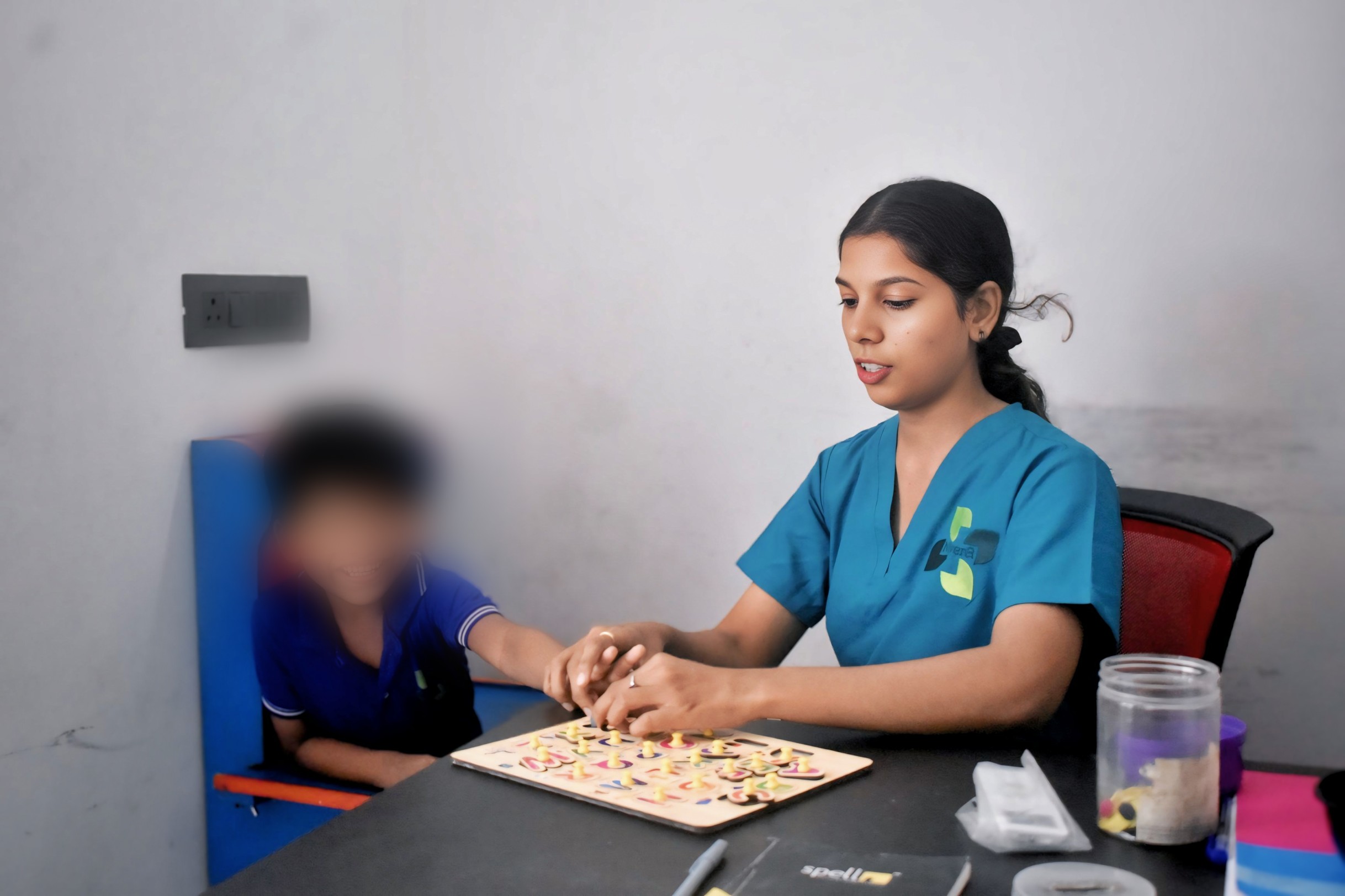
Behaviour therapy sessions focused on improving attention, behaviour regulation, and social participation.
Interventions included:
structured play activities
reinforcement strategies to encourage positive behaviours
task-based attention training
behaviour modification techniques
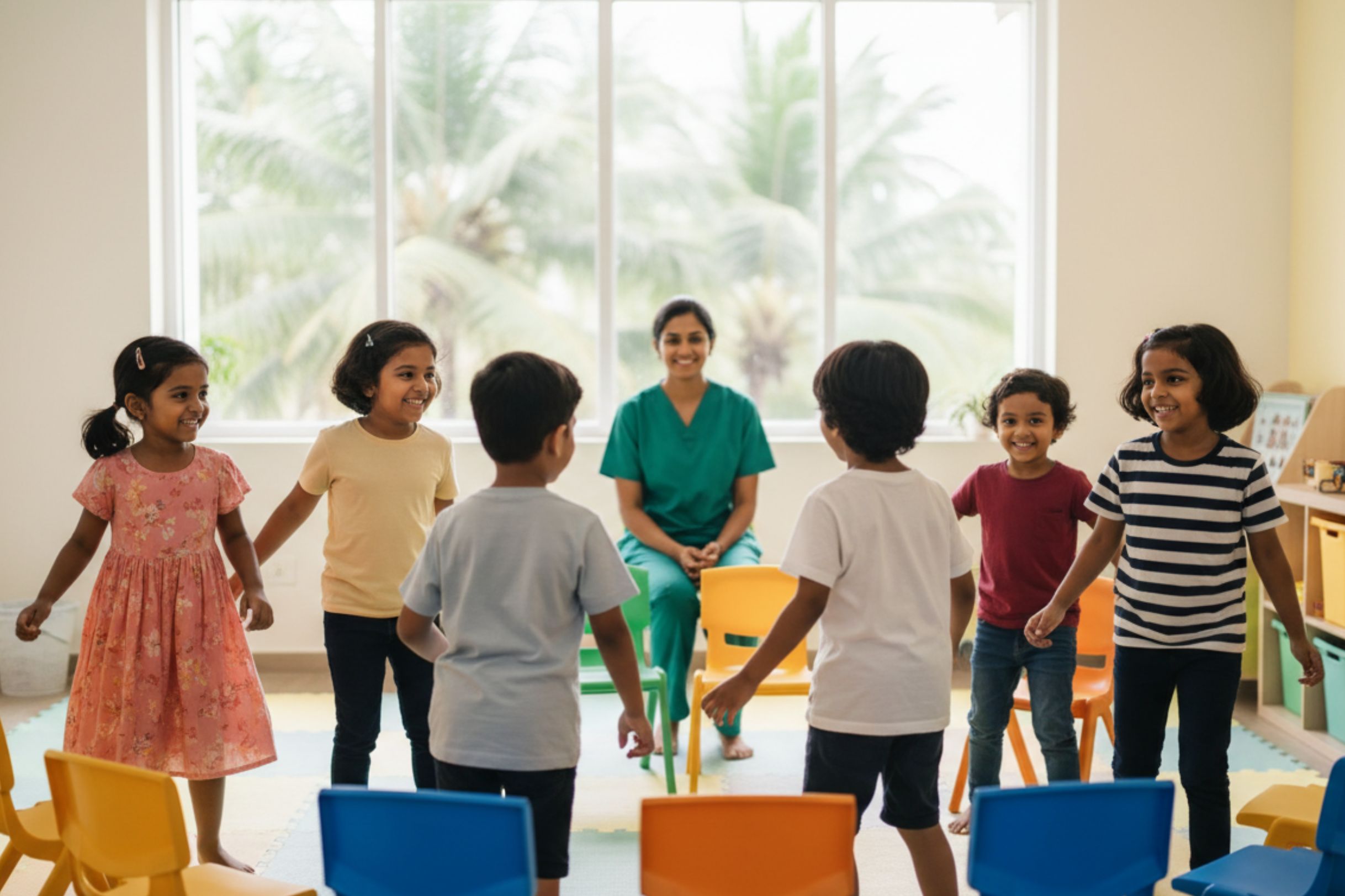
guided peer interaction activities
These strategies helped Akash gradually increase his participation in structured tasks.
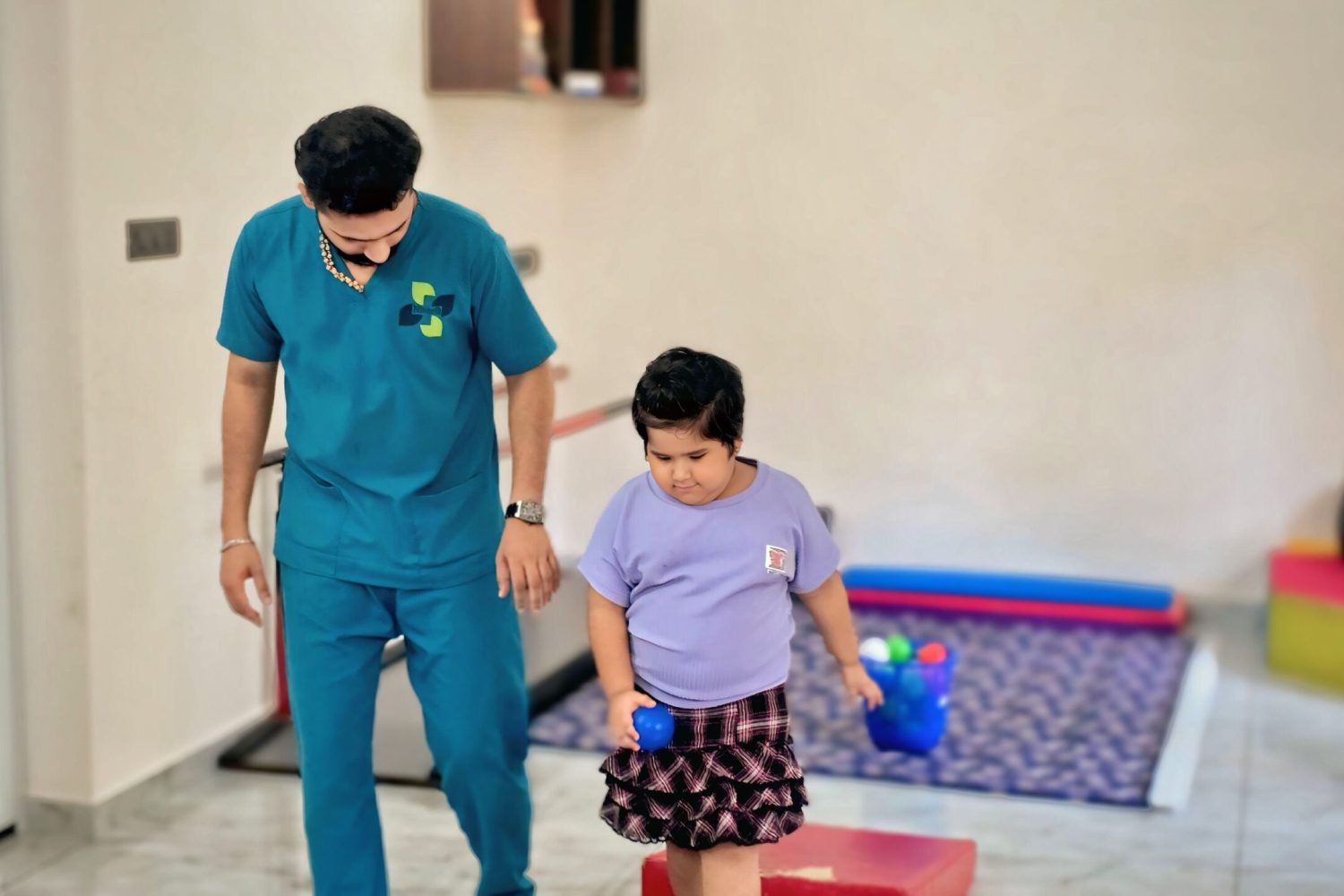
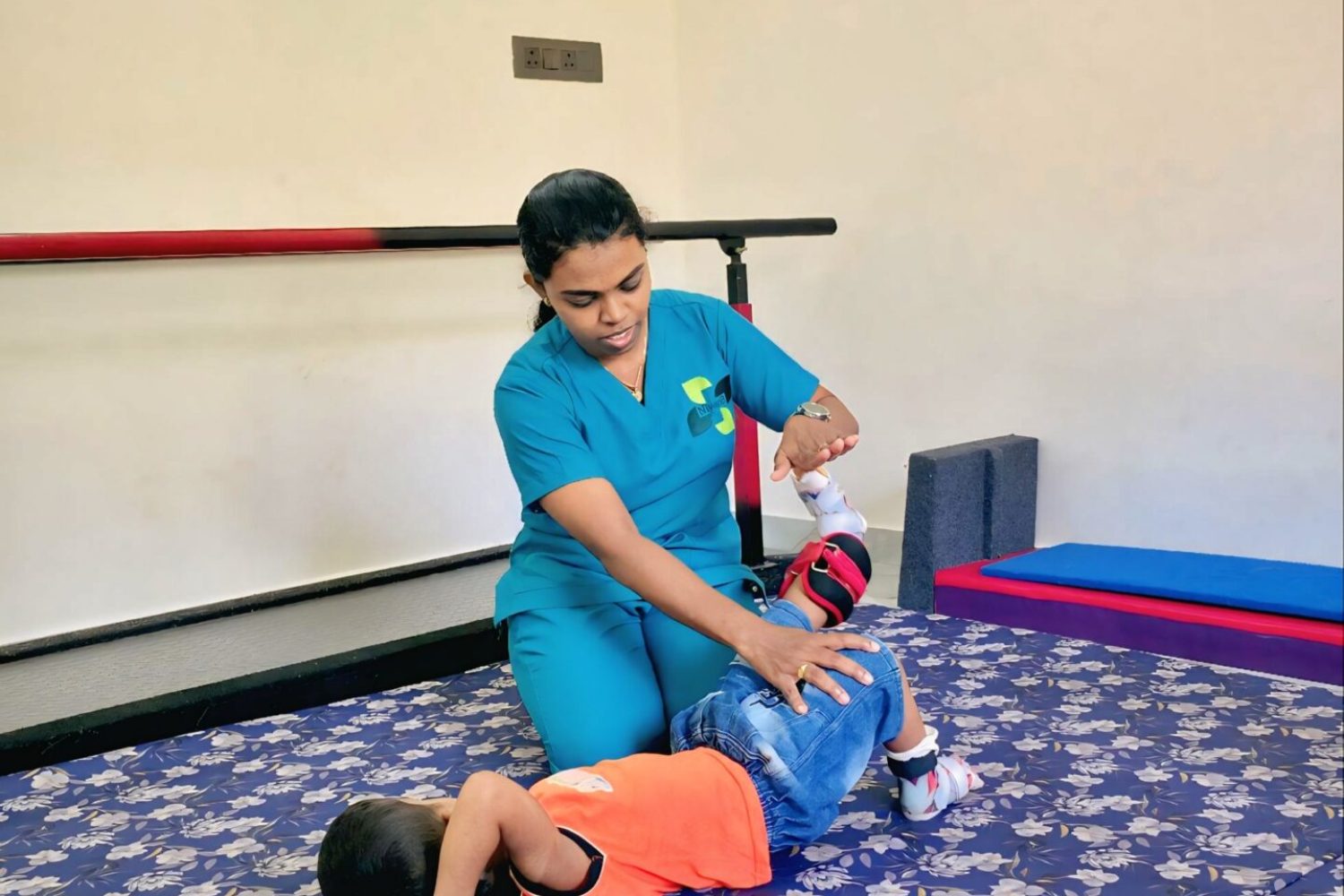
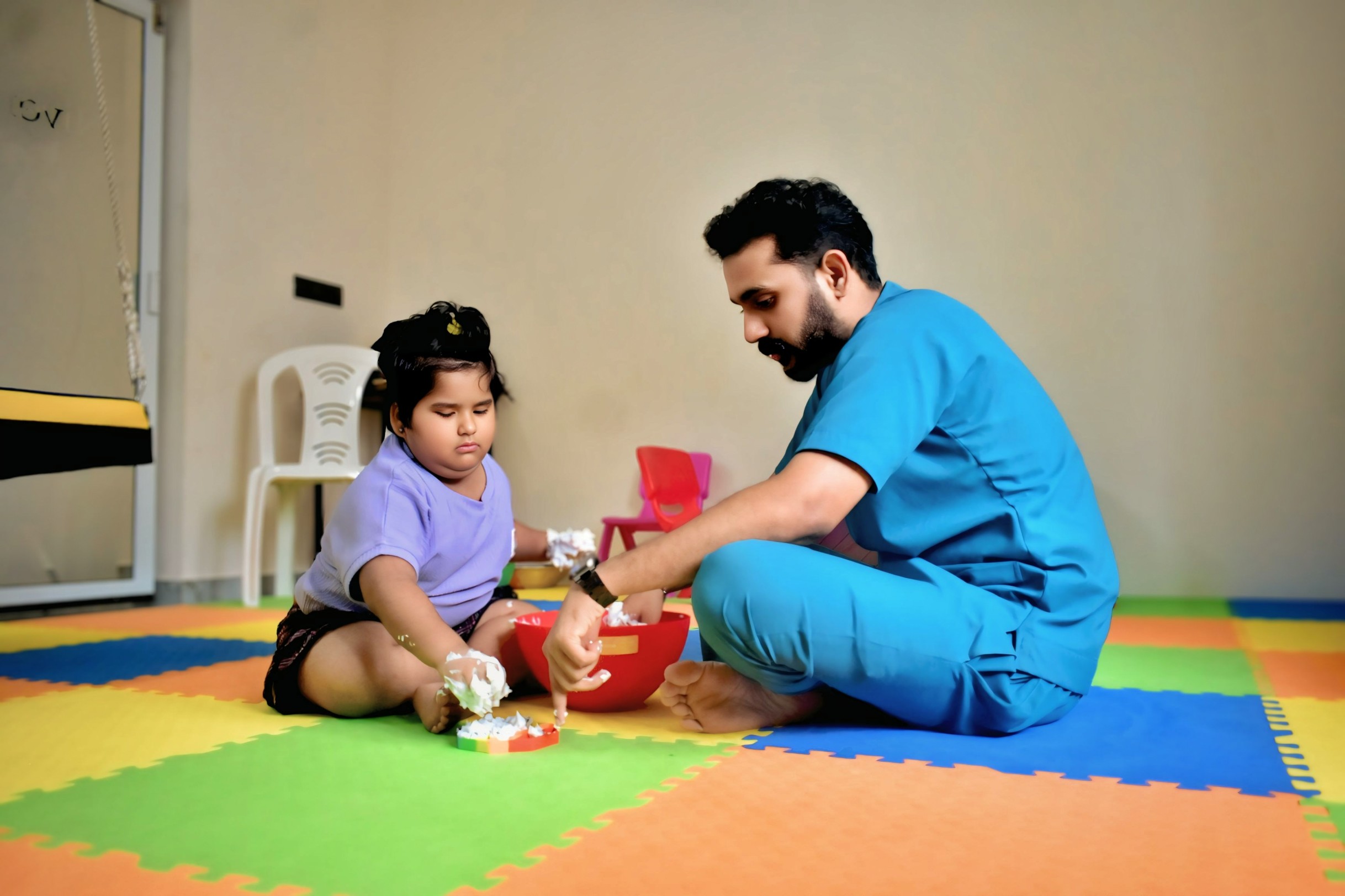
Occupational therapy focused on improving functional independence and sensory regulation.
Key interventions included:
fine motor strengthening activities
bilateral hand coordination tasks
sensory integration activities
tactile play using theraputty and clay
balance board and swing activities
activities to improve eye-hand coordination
ADL retraining for dressing, feeding, and toileting
These interventions helped reduce sensory sensitivities and improve daily functioning.
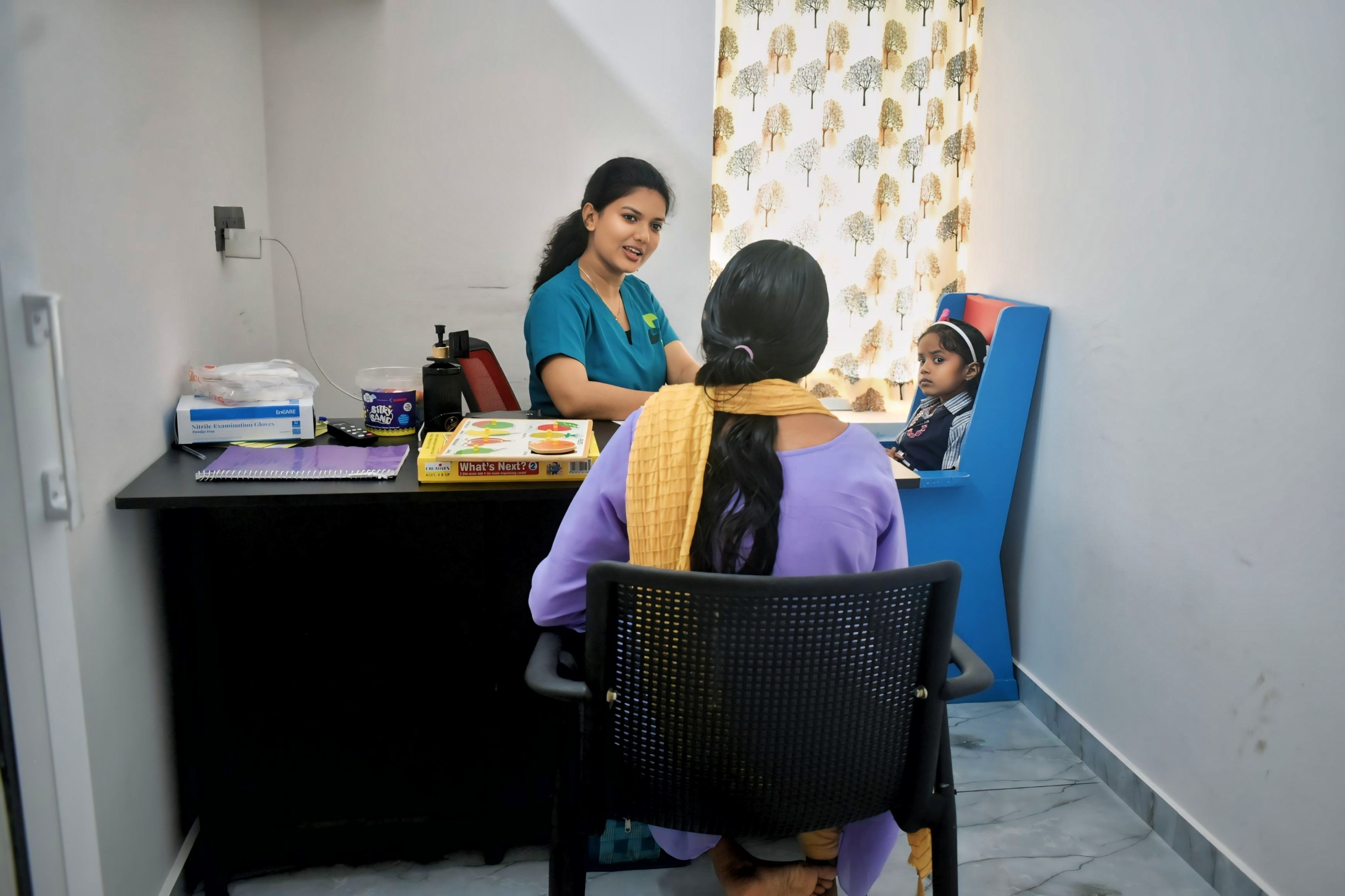
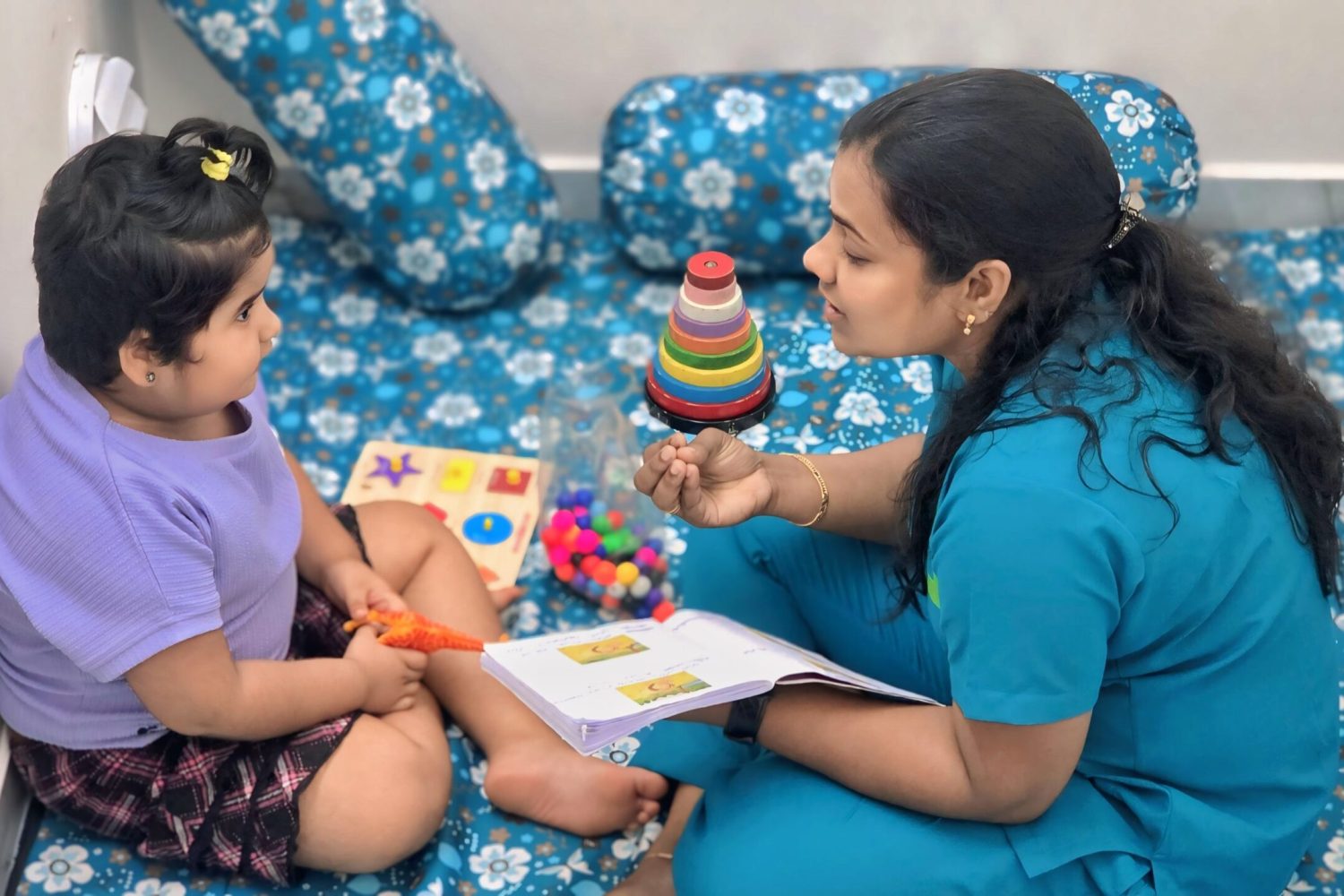
Speech therapy sessions were conducted multiple times per week with a focus on developing functional communication.
Therapy techniques included:
modelling and imitation
self-talk and parallel talk
prompting and cueing strategies
structured vocabulary training
social communication practice
Gradually, Akash began producing simple words and meaningful two-word phrases.
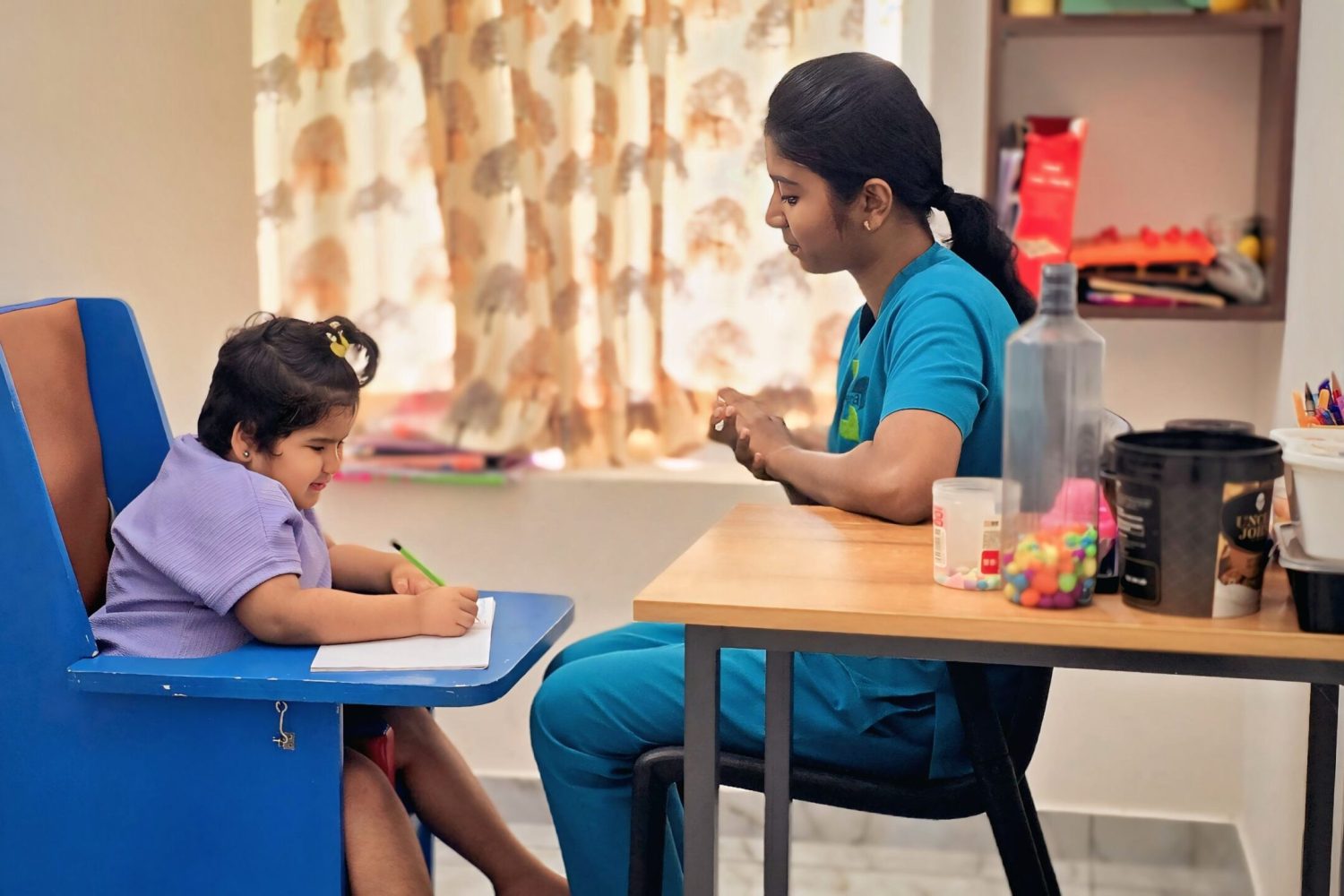
Special education sessions focused on early learning skills and school readiness.
Activities included:
pre-writing exercises
matching and sorting tasks
concept development activities
instruction-following tasks
structured learning routines
These sessions helped improve attention and cognitive engagement during structured learning tasks.
After a period of consistent therapy, Akash underwent a follow-up evaluation to assess developmental progress.
Vineland Social Maturity Scale (VSMS)
Indian Scale for Assessment of Autism (ISAA)
Childhood Autism Rating Scale (CARS)
According to VSMS social age was 2.9 social quotients 77 which indicates Border line level socio-adaptive functioning. Indian scale for assessment of autism(ISAA) , Score was 107 which indicates Autism spectrum disorder (Moderate).In Childhood autism rating scale (CARS) score was 32 which indicates Mild-Moderate level Autism spectrum disorder”
Receptive Language Age (RLA): 2 – 2.5 Years
Expressive Language Age (ELA): 2 – 2.5
YearsA follow-up speech and language evaluation was conducted to measure the child’s progress after the intervention period. The results indicate significant improvement in both receptive and expressive language skills. The child’s communication abilities are currently functioning at an approximate developmental level of 2 to 2.5 years.
Receptive language improved from 10–11 months to approximately 2–2.5 years.
Expressive language improved from 10–11 months to approximately 2–2.5 years.
Increased understanding of simple instructions and familiar vocabulary.
Noticeable growth in functional vocabulary and word imitation.
Improved social communication skills, including better engagement and interaction.
The child says ltha:/, lva:l with 80% accvracy and 50% consistency also initiated verbal expressing of simple 2-word phrases meaningfully.
The child has shown improvement in comprehension and expression of lexical categories including few names of fruits, animals and common objects.
Increased use of meaningful words during interaction
Emerging two-word combinations (e.g., “want ball”, “give water”)
Improved imitation of sounds and words
Better eye contact and engagement during communication
Increased attempts to initiate communication with adults
Improved eye contact
Better response to name
Increased attention span
Reduced hyperactive behaviour
Improved ability to participate in structured tasks
Able to indicate toileting needs with minimal assistance
Improved dressing skills including buttoning and unbuttoning
Improved self-feeding abilities
Increased tolerance for sensory activities
Improved fine motor coordination
Reduced fear of swings and movement-based activities
Improved understanding of everyday objects
Use of simple words and short phrases
Improved ability to follow instructions
Increased use of greetings and social communication
This case highlights the importance of early intervention and multidisciplinary therapy for children with Autism Spectrum Disorder.
Through a combination of behaviour therapy, occupational therapy, speech therapy, and special education, Akash gradually developed skills that improved his independence and participation in daily life.
Consistent therapy sessions along with parental involvement played a key role in supporting his developmental progress.
Akash’s developmental journey demonstrates how structured and early therapeutic intervention can support children with autism in achieving meaningful improvements in communication, behaviour, and independence.
With continued therapy and supportive home environments, children with developmental challenges can build essential life skills and participate more confidently in everyday activities.
YearsA follow-up speech and language evaluation was conducted to measure the child’s progress after the intervention period. The results indicate significant improvement in both receptive and expressive language skills. The child’s communication abilities are currently functioning at an approximate developmental level of 2 to 2.5 years.
If you are noticing signs such as speech delay, reduced eye contact, hyperactivity, or difficulty interacting with others, early assessment can help.
KOCHI, KERALA
Child development Centre, speech therapy centre, occupational therapy centres,behaviour therapy centres , education therapy center, special education center , autism treatment centres , aba treatment center, adhd treatment centre, ayurveda treatment for autism , child physiotherapy centre