Our Archive

Welcom to our archive

Nivera Child Development Centre > Sensory Integration Therapy

pediatric occupational therapy in Kochi
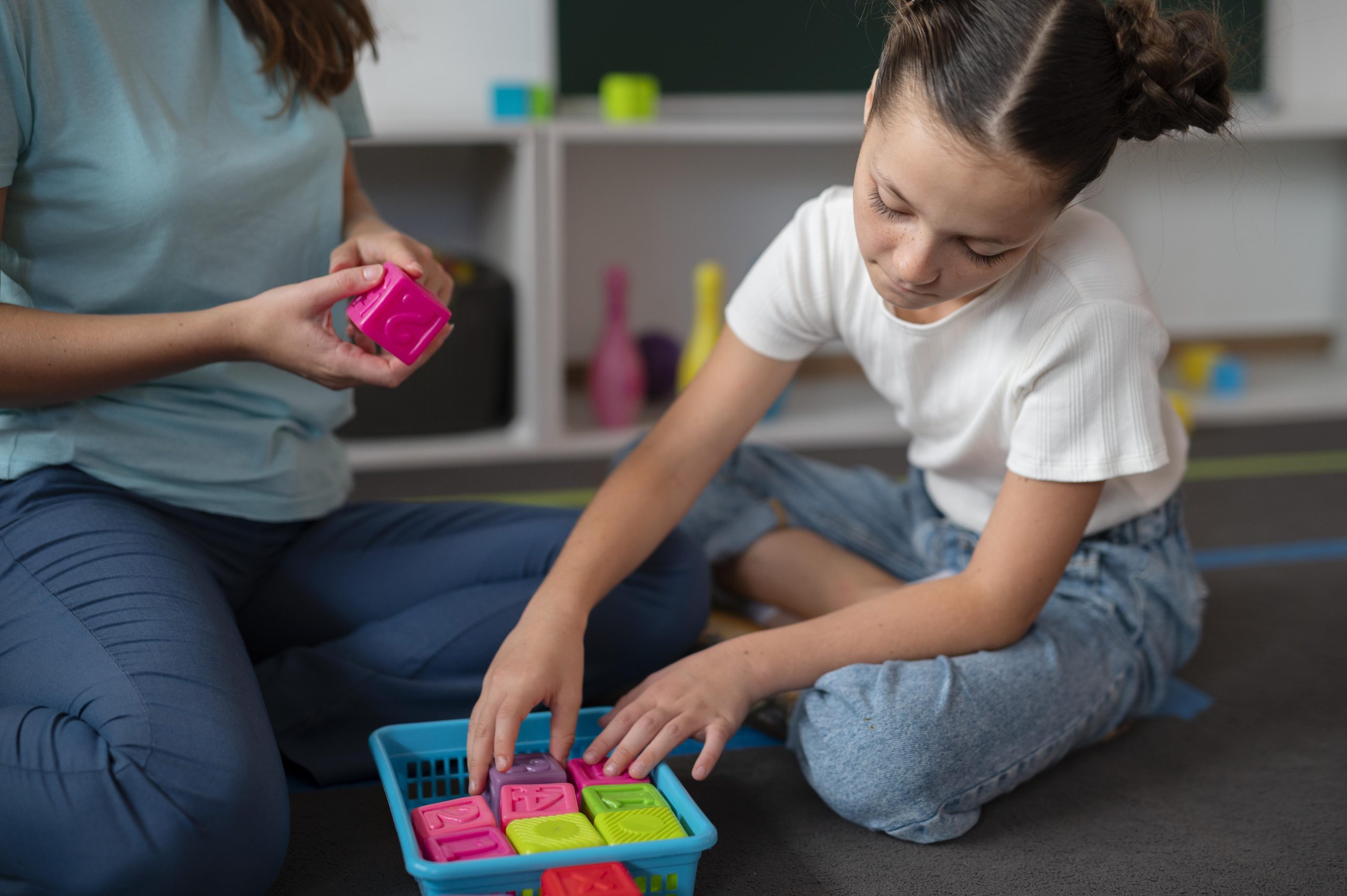
Many children struggle with focus, restlessness, sensitivity to sound/touch, picky eating, or emotional outbursts. Often, these challenges are connected to how the brain processes sensory information. The good news is that sensory integration activities at home can help children feel calmer, improve attention, and support learning—especially when done consistently. At Nivera Child Development Centre in Kochi, our occupational therapists guide parents with practical, home-friendly sensory activities that support children with autism, ADHD, sensory processing disorder (SPD), developmental delay, and learning difficulties. This blog explains easy, safe sensory integration activities you can do at home using simple items—without expensive equipment. What is Sensory Integration? Sensory integration is the brain’s ability to receive, organize, and respond appropriately to sensory inputs like touch, movement, sound, smell, taste, and body awareness. When sensory processing is not smooth, a child may overreact (hypersensitive) or underreact (hyposensitive) to everyday sensations. Sensory integration therapy helps the brain process these sensations better. Along with clinic sessions, home sensory activities strengthen progress and help children regulate emotions and behavior. Who Can Benefit from Sensory Integration Activities at Home? Home sensory activities are helpful for children who show signs like: ✅Easily distracted, difficulty sitting still ✅ Fear of swings/slides or movement (or constantly seeking movement) ✅ Strong dislike for haircuts, nail cutting, certain clothes ✅ Avoiding messy play, sand, slime, or textures ✅ Frequent meltdowns, mood swings, irritability ✅ Picky eating and oral sensory issues ✅ Poor handwriting, weak pencil grip, low endurance ✅ Difficulty with balance, coordination, and posture These activities are especially useful for children with:Autism Spectrum Disorder (ASD), ADHD, sensory processing disorder, cerebral palsy, dyspraxia, developmental delay, learning disability, speech delay. Sensory Integration Activities at Home 1. Proprioceptive Activities (Heavy Work) – Best for Calm & Focus Proprioception is body awareness from muscles and joints. “Heavy work” activities are the fastest way to calm the nervous system. Try these at home: ✅ Pushing a wall for 10–20 seconds (wall push-ups) ✅ Carrying books/grocery bags from one room to another ✅ Animal walks: bear walk, crab walk, frog jumps ✅ Pulling a laundry basket filled with toys ✅ Rolling a child in a blanket like a “burrito” ✅ Chair push-ups (push body up from chair using hands) Best for: hyperactivity, emotional outbursts, poor attention, anxiety. 2. Vestibular Activities (Movement & Balance) Vestibular input comes from the inner ear and helps balance, posture, and coordination. Safe vestibular activities: ✅ Swinging (slow first, then moderate) ✅ Rocking on a rocking chair ✅ Spinning on office chair (only a few turns!) ✅ Jumping on mattress or mini trampoline ✅ Walking on a straight line (masking tape line) ✅ Simple yoga poses (tree pose, downward dog) Best for: balance issues, clumsiness, fear of movement, poor posture. ⚠️ Avoid too much spinning. Stop if child looks pale, dizzy, or irritated. 3. Tactile Activities (Touch Sensory Play) Tactile input helps children tolerate textures and improve fine motor skills. Tactile play ideas: ✅ Sensory bins: rice, dal, sand, flour, beans ✅ Finger painting / sponge painting ✅ Play dough squeezing, rolling, cutting ✅ Water play: pouring cups, sponges, bubbles ✅ “Mystery bag” game: guess objects by touch ✅ Shaving cream drawing on mirror/table Best for: texture sensitivity, handwriting difficulty, sensory defensiveness. 4. Oral Sensory Activities (Mouth & Chewing for Regulation) Oral input is powerful for calming and improving attention. Home oral sensory activities: ✅ Chewy foods: carrot sticks, apple slices (age appropriate) ✅ Crunchy snacks: roasted chana, crackers ✅ Thick smoothies through straw ✅ Blowing bubbles / whistles ✅ Cotton ball race using straw (blowing) Best for: mouthing objects, chewing clothes, speech clarity support, calmi 5. Visual Sensory Activities (Eye Tracking & Attention) Visual processing affects reading, writing, copying from board, and focus. Activities:  ✅ Torchlight tracking (follow light on wall)  ✅ “I Spy” game  ✅ Spot-the-difference puzzles  ✅ Matching cards  ✅ Ball catching / balloon volleyball  ✅ Maze worksheets Best for: poor attention, reading issues, copying mistakes, eye coordination. 6. Auditory Sensory Activities (Sound Processing Support) Some children are sensitive to noise or struggle to filter sounds. Try: ✅ Soft music during homework ✅ Rhythm clapping games ✅ “Guess the sound” game (keys, water bottle, bell) ✅ Listening to stories with headphones (low volume) ✅ White noise for sleep Best for: noise sensitivity, speech/language processing, classroom difficulty. A Simple Daily Sensory Diet Routine (10–20 Minutes) A sensory diet is a planned set of activities done daily for regulation. Highly recommended activities Morning (before school): Wall push-ups + jumping (5 minutes) After school: Heavy work: carry books + animal walk (5–10 minutes) Evening: Tactile play + oral activity (5–10 minutes) Before sleep: Blanket burrito + slow rocking (5 minutes) This routine supports calm behavior, better attention, improved handwriting, and smoother transitions. Common Mistakes Parents Should Avoid Many parents try sensory play but don’t see results because of these mistakes: ✅ Doing activities randomly without routine ✅ Too much movement input (spinning/jumping) causing overexcitement ✅ Forcing sensory play when child is fearful ✅ Not observing triggers and responses ✅ Not combining clinic therapy + home practice At Nivera Child Development Centre Kochi, we create a customized home sensory plan based on your child’s sensory profile. When Should You Consult an Occupational Therapist? You should consult a pediatric occupational therapist if: ✅ Sensory issues affect school performance or daily routine ✅ Child has frequent meltdowns and poor self-regulation ✅ Child avoids textures, foods, grooming, or social situations ✅ There is delayed fine motor development and handwriting issues ✅ Child shows signs of autism/ADHD or developmental delay Early support improves long-term outcomes. Why Choose Nivera Child Development Centre, Kochi? At Nivera Child Development Centre in Kochi, Kerala, we offer Sensory Integration Therapy, Occupational Therapy, Speech Therapy, Behavior Therapy, and Pediatric Physiotherapy under one roof. Our child-friendly environment, expert therapists, and structured therapy programs help children build independence and confidence. We guide parents with: ✅ home sensory integration activities ✅ sensory diet plans ✅ school support strategies ✅ parent training sessions vision for your kid Help Your Child
Read More
Sensory Integration Therapy in Kerala
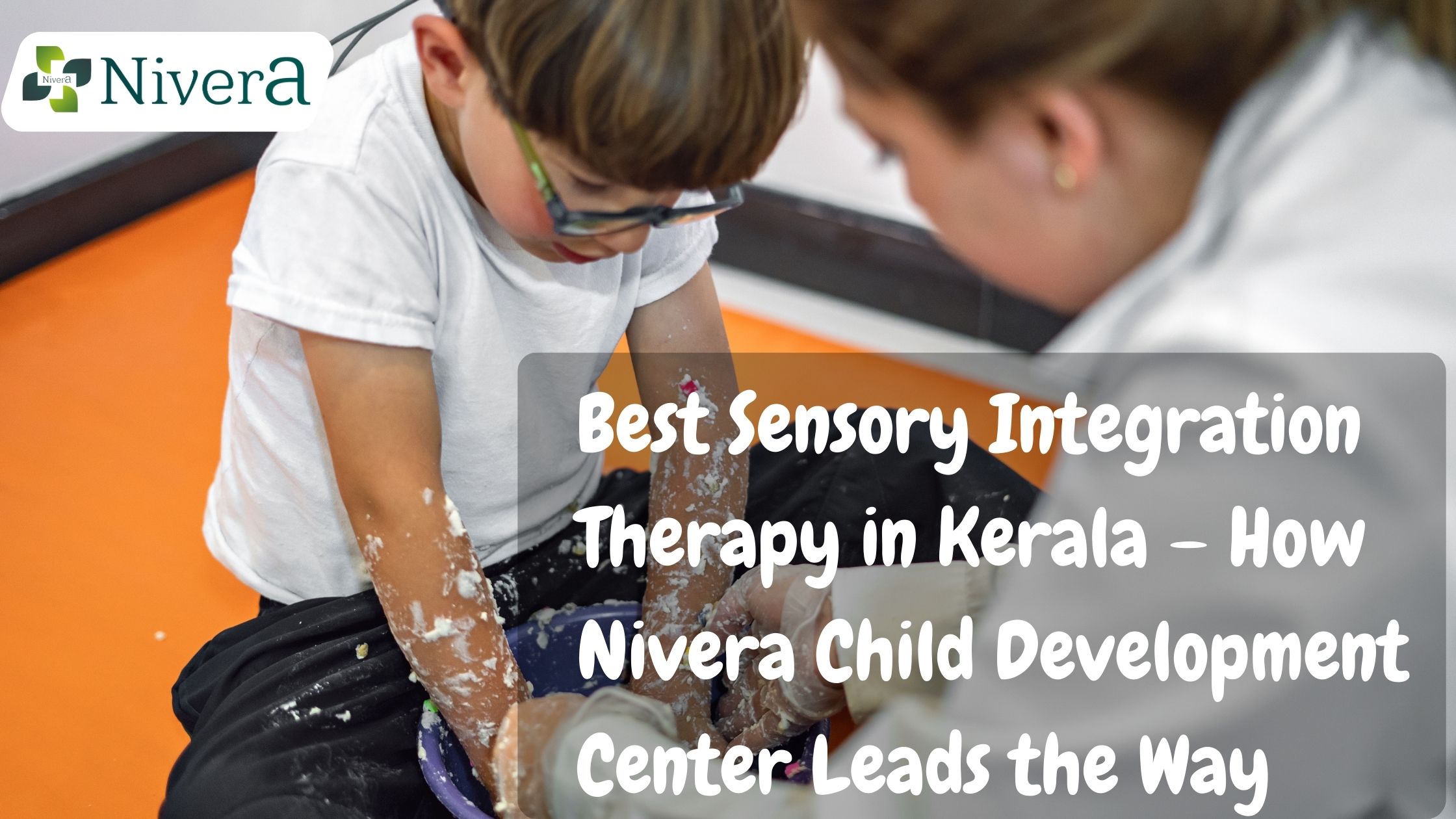
Introduction: Building a Strong Sensory Foundation for Your Child When a child struggles to respond appropriately to the world around them — loud sounds, bright lights, certain textures, movement — it can affect everything from learning to behavior to social interactions. This challenge, known as Sensory Processing Disorder (SPD) or sensory integration difficulties, is common in children with autism, ADHD, developmental delays, and learning disabilities. Sensory Integration Therapy (SIT) is an evidence-based approach that helps the brain organize and respond to sensory information in a meaningful way.If you’re looking for the best sensory integration therapy in Kerala, one name stands out — Nivera Child Development Center, Kumbalam, Kochi. At Nivera, we blend modern occupational therapy, sensory gym activities, and traditional Ayurvedic wellness to offer a unique, holistic approach that supports every aspect of your child’s development. Understanding Sensory Processing and Why It Matters Our senses — touch, vision, hearing, taste, smell, movement (vestibular), and body awareness (proprioception) — constantly send information to the brain.For most children, the brain organizes these signals smoothly. But for children with sensory integration challenges, these signals can feel like either too much (hypersensitivity) or too little (hyposensitivity). Common Signs of Sensory Processing Challenges Extreme sensitivity to textures, clothing tags, or food consistencies Difficulty tolerating loud sounds or bright lights Unusual seeking of movement — spinning, jumping, running excessively Poor balance or frequent clumsiness Avoiding messy play (sand, paint, clay) Difficulty focusing in noisy environments Emotional outbursts triggered by sensory overload Without proper intervention, these challenges can affect learning, communication, social skills, and daily living. Why Nivera Child Development Center is Kerala’s Top Choice Nivera Child Development Center in Kumbalam, Kochi is more than just a therapy facility — it’s a complete developmental hub for children with special needs. We specialize in Sensory Integration Therapy in Kerala with a state-of-the-art sensory gym and a multidisciplinary team of occupational therapists, speech therapists, physiotherapists, educational therapists, and Ayurvedic doctors. What Sets Nivera Apart Personalized Sensory Plans – Every child undergoes a detailed sensory profile assessment before starting therapy. Multisensory Gym Equipment – Swings, trampolines, textured mats, climbing walls, and balance boards. Ayurveda + Modern Integration – Unique to Nivera, we use Ayurvedic therapies (massage, herbal oils) to support sensory regulation. Parent Training – We empower families with home-based sensory activities for continued progress. Early Intervention Expertise – We cater to children as young as 18 months for maximum developmental gains Sensory Integration Therapy Techniques at Nivera We use a variety of evidence-based techniques tailored to each child’s needs: Tactile Activities Sand play, water play, clay modeling, textured toys Improves tolerance to different surfaces and reduces touch sensitivity Vestibular (Movement) Therapy Swings, rocking boards, spinning activities, and obstacle courses Enhances balance, coordination, and spatial awareness Proprioceptive Input Weighted vests, pushing/pulling activities, heavy work tasks Helps calm hyperactive children and improves body awareness Sensory Diets Customized daily activity plans combining movement, tactile, and deep-pressure input to maintain regulation throughout the day Therapeutic Listening Specially designed auditory programs to improve attention, focus, and auditory processing Ayurvedic Relaxation Therapy Gentle massage with herbal oils to reduce anxiety and sensory defensiveness Conditions We Support with Sensory Integration Therapy At Nivera Child Development Center, we successfully help children with: Autism Spectrum Disorder (ASD) Attention Deficit Hyperactivity Disorder (ADHD) Sensory Processing Disorder (SPD) Developmental Delays Learning Disabilities Speech and Language Delays Cerebral Palsy (with sensory modulation needs) Why Parents Across Kerala Choose Nivera Location Advantage – Easily accessible from anywhere in Kochi and nearby districts. Multidisciplinary Care – All therapies under one roof: occupational, speech, physiotherapy, educational therapy, Ayurveda. Evidence-Based Practice – Techniques backed by the latest research in sensory processing. Child-Friendly Environment – Colorful, engaging, and safe spaces designed to encourage exploration and play. Proven Results – Many parents report improved attention, reduced meltdowns, and better social skills within months Other Sensory Integration Therapy Centers in Kerala While Nivera Child Development Center is a leader, Kerala also has other therapy centers offering sensory integration services, including: Blossom Valley Therapy Centre (Kochi) IAN Institute of Rehabilitation & Research (Thrissur) Miracle Early Intervention Clinic (Aluva) KIMS Health (Thiruvananthapuram) Nivera CDC (Thiruvananthapuram) Success Story “Our son Avinik  was diagnosed with sensory processing disorder and autism at age 4. He couldn’t tolerate loud noises or wearing certain clothes. After just 3 months at Nivera, his ability to handle different textures improved, he started playing with other kids, and his meltdowns reduced drastically. We can’t thank the therapists enough!” – Parent  Neethu Akhil from Ernakulam How to Start Sensory Integration Therapy at Nivera Contact Us – Call or WhatsApp our reception. Initial Assessment – Comprehensive sensory profile evaluation. Custom Therapy Plan – Tailored activities for your child’s needs. Regular Progress Review – Continuous monitoring and updates. Address: Nivera Child Development Center, Kumbalam, Kochi, Kerala Phone: 9605152749, 9539448777 Website: www.niveracdc.com Frequently Asked Questions (FAQ) What is the best age to start sensory integration therapy?Early intervention is ideal, preferably between 2–6 years, but older children also benefit greatly. How often should my child attend sessions?Most children benefit from 2–3 sessions per week, but the plan is personalized. Can SIT help with attention and focus issues?Yes, improving sensory regulation often enhances attention span and learning ability. Does Nivera provide therapy for adults with sensory challenges?Yes, our therapists also work with adolescents and adults when needed. Is sensory integration therapy covered by insurance?It depends on your insurance provider; we can assist with documentation.
Read More
Sensory Integration Therapy for autism
The effectiveness of sensory integration therapy as an intervention for children with autism has attracted much attention. The goal of this therapy is to help children respond to and process sensory information in a more structured way that can improve their behavior, communication, and overall quality of life.This blog post will discuss the benefits of sensory integration therapy and how it can improve the quality of life for children with autism. Understanding Sensory Integration Therapy A treatment strategy called sensory integration therapy (SIT) aims to assist kids in resolving issues related to their sensory processing. When a child has autism, their brains often have trouble processing sensory information such as sounds, textures, lighting, and movements, making it difficult for them to appropriately understand and react to it. This may result in avoidance, seeking out particular stimuli, or an easy tendency to become overwhelmed. Through controlled activities that test the child’s sensory systems, SIT seeks to enhance the brain’s capacity to process these sensory signals. These exercises aim to improve the child’s coping skills and increase their acclimatization to various sensory experiences. Key Benefits of Sensory Integration Therapy Improved Sensory Processing Increasing the efficiency with which children with autism process sensory information is one of the main objectives of sensory integration therapy. A more balanced reaction to their surroundings can result from youngsters receiving therapy over time as they become less sensitive to stimuli that once caused them anguish. Meltdowns caused by sensory issues and anxiety may significantly decrease as a result. Improved Mental Abilities Activities that encourage motor development, such as swinging, jumping, or using weighted items, are frequently incorporated into sensory integration therapy. These activities can aid in the improvement of gross and fine motor skills, which are frequently problematic areas for kids with autism. Children may become more independent with activities like dressing, eating, and playing as their motor skills develop. Better Social Interaction Due to sensory overload or trouble reading social signs, children with autism may find it challenging to interact with others. Through enhanced sensory processing, SIT can assist kids in feeling more at ease in social situations. This may result in more involvement in group activities, stronger peer relationships, and enhanced communication abilities. Reduced Anxiety and Stress Children with autism may experience elevated levels of stress and anxiety due to sensory processing disorders. Through learning how to control their sensory experiences, children receiving sensory integration treatment can notice a decrease in overall anxiety. Children may feel more in control of their surroundings as they get more skilled at managing sensory inputs, which could result in a calmer and more relaxed temperament. Increased Focus and Attention Focus and concentration issues are common among autistic children, especially in situations where there are a lot of sensory inputs. Children who practice SIT can enhance their sensory modulation, which will help them focus and stay on target. This advantage is especially beneficial in learning environments, as improved concentration can result in improved academic achievement. Customized Therapy Based on the Child’s Requirements The adaptability of sensory integration therapy is one of its advantages. Therapists collaborate closely with parents to create individualized treatment plans that target each child’s unique sensory issues. This tailored strategy guarantees that the treatment is applicable and successful, resulting in more significant advancements. Conclusion Sensory integration therapy offers a range of benefits for children with autism, helping them navigate the sensory challenges they face daily. From improving sensory processing and motor skills to enhancing social interaction and reducing anxiety, SIT plays a crucial role in supporting the overall development of children with autism. By addressing sensory processing issues, children can gain greater independence, confidence, and a higher quality of life. For parents and caregivers, exploring sensory integration therapy can be an important step in providing comprehensive support for their child’s unique needs. Working with qualified therapists who specialize in SIT can ensure that children with autism receive the best possible care and the opportunity to thrive in their environments
Read More
Open chat
Hello ????
Can we help you?