
Our Archive

Welcom to our archive

Nivera Child Development Centre > Behavioral Therapy

In today’s digital world, many children spend more time on screens than in playgrounds. However, outdoor play for kids is not just fun—it is essential for their growth, health, and learning. From building stronger bodies to boosting creativity, the benefits of outdoor play extend far beyond entertainment. At Nivera Child Development Center (CDC) in Kochi, we encourage parents to understand the importance of outdoor activities and how they shape a child’s physical, emotional, social, and cognitive development. Importance of Outdoor Play in Child Development The importance of outdoor play cannot be overstated. It helps children: Strengthen bones and muscles Improve gross and fine motor skills Boost brain development Learn teamwork and problem-solving Enhance emotional resilience Connect with nature Outdoor activities for children are not just a pastime; they are an investment in lifelong health and learning. Outdoor Play and Physical Growth One of the biggest benefits of outdoor play is physical growth. Running, jumping, climbing, cycling, and playing outdoor games help kids: Develop strong bones and muscles Improve balance and coordination Enhance gross motor skills Boost immunity through physical activity Support eye health by reducing screen strain Research shows that children who regularly engage in outdoor play and fitness activities are less likely to face obesity and posture issues. Outdoor Play and Brain Development Outdoor activities are not only about physical health; they also boost cognitive development. Problem-solving skills are enhanced through outdoor games. Creativity and imagination flourish when children interact with natural surroundings. Outdoor play improves memory and focus, which supports better academic performance. Activities like building sandcastles, gardening, or playing with blocks outdoors improve learning skills. At Nivera CDC Kochi, therapists integrate outdoor learning activities in nature to enhance focus and sensory integration in children with developmental needs. Outdoor Play and Social Skills Outdoor play teaches children valuable social skills that no classroom can provide: Teamwork through group games Communication and language development Understanding personal space and boundaries Conflict resolution in a natural environment Family bonding through outdoor activities Parents often notice that children who engage in outdoor activities for kids become more confident and cooperative in school and home environments. Emotional & Sensory Benefits of Outdoor Play Spending time outdoors helps children: Reduce stress and anxiety Improve mood and emotional resilience Gain independence and confidence Develop sensory processing skills through nature play Children with sensory processing issues benefit greatly from outdoor play and sensory activities like walking barefoot on grass, playing with sand, or balancing on natural structures. Outdoor Play and Learning Skills Outdoor play enhances learning skills in unique ways: Improves focus and attention span Encourages hands-on learning Boosts memory and academic performance Helps children explore science, math, and art in nature For example, counting stones, observing plants, or playing strategy games outdoors help children connect education with real-life experiences. Outdoor Play vs Screen Time One of the growing concerns for parents is excessive screen time. Outdoor play naturally balances this issue: Reduces risk of obesity and eye strain Promotes physical activity and fitness Encourages social interaction Replaces passive entertainment with active learning At Nivera Child Development Center Kochi, we guide parents on reducing screen time and encouraging safe outdoor play for children Outdoor Play and Nature Connection Children who spend time outdoors are more likely to develop: A strong bond with nature Respect for the environment Awareness about sustainability Simple nature play for kids like planting trees, watering plants, or observing insects fosters curiosity and care for the planet. Parenting Tips for Outdoor Play Here are some tips for parents: Encourage at least 1 hour of outdoor play daily Choose safe outdoor play areas Mix structured games with free play Play outdoor games as a family bonding activity Balance outdoor play with academics and screen time Conclusion The benefits of outdoor play are endless—it improves physical growth, learning skills, social development, and emotional well-being. Whether it’s running in the park, playing traditional outdoor games, or exploring nature, outdoor play shapes healthier, happier, and smarter children. At Nivera Child Development Center in Kochi, we strongly advocate the importance of outdoor play as part of every child’s growth journey. By blending therapies with outdoor learning, we help children achieve their full potential. FAQs on Outdoor Play and Child Development Q1: How much outdoor play do children need daily?Most experts recommend at least 60 minutes of outdoor play every day. Q2: What are the best outdoor activities for children?Activities like cycling, running, playing ball games, skipping, climbing, and gardening are excellent. Q3: How does outdoor play improve learning?Outdoor play enhances focus, problem-solving, memory, and creativity, which directly improve academic performance. Q4: Is outdoor play safe for children with special needs?Yes. With supervision and structured activities, outdoor play improves sensory skills, motor development, and social interaction. Q5: How does outdoor play help with screen time issues?Outdoor activities naturally replace excess screen use with active, healthy, and engaging experiences.
Read More
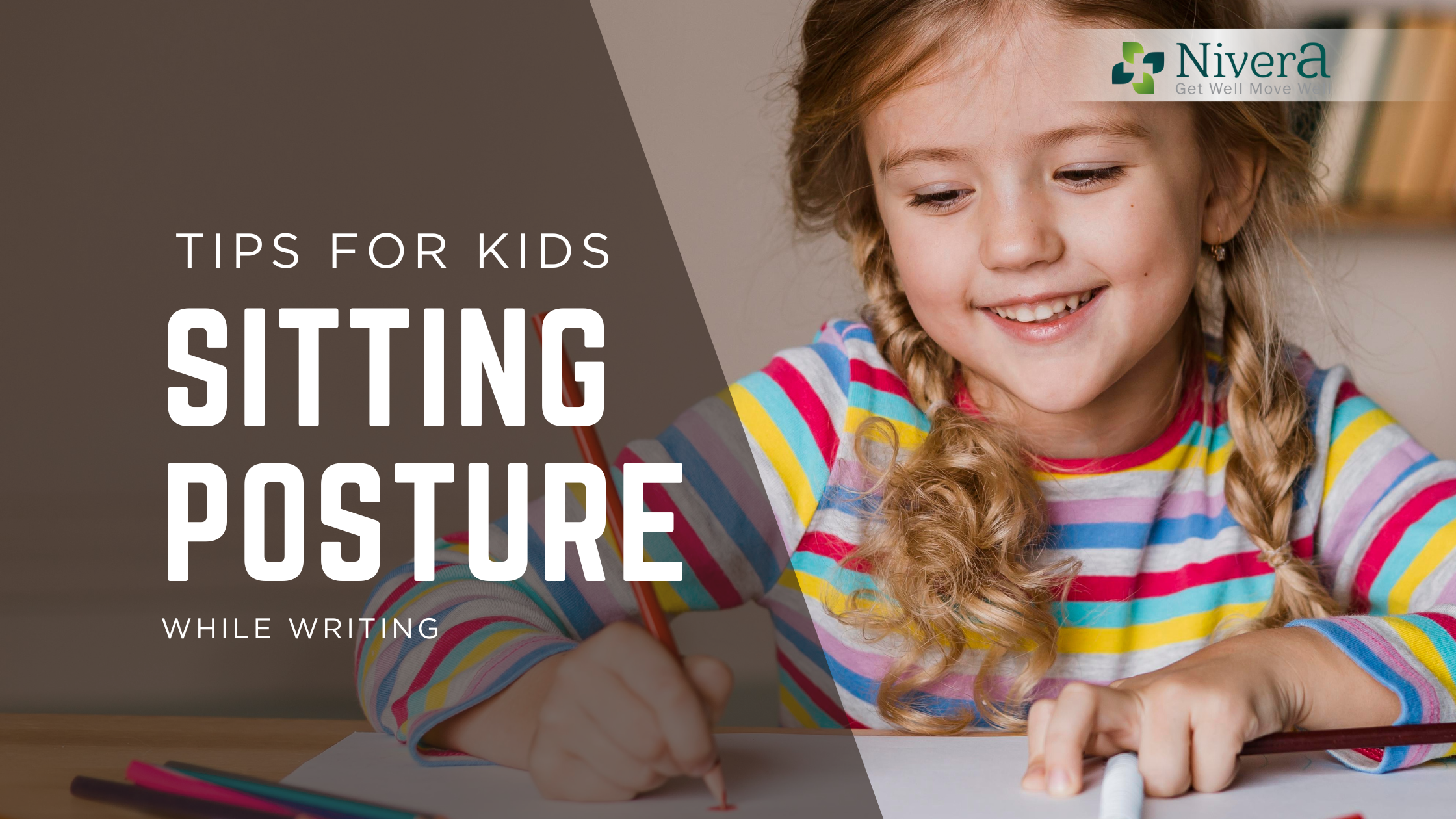
Good posture is essential for children during their school years, especially when they are learning to write. Proper sitting posture for children not only helps prevent discomfort and back pain but also improves concentration and writing skills. Understanding how children should sit while writing is crucial for parents and teachers to promote healthy habits from an early age. Why Proper Posture Matters for Children A child’s writing posture affects their physical health and learning ability. Poor posture can lead to back, neck, and shoulder strain, and even affect fine motor development. Maintaining the correct posture while writing ensures that children can focus on tasks efficiently and develop healthy sitting habits that last a lifetime. How Children Should Sit While Writing Here are some tips to help children maintain the correct sitting position while studying or doing homework: Feet Flat on the Floor – Ensure your child’s feet rest comfortably on the floor or a footrest to maintain balance. Back Straight – Encourage children to sit with their back upright, avoiding slouching. Desk and Chair Height – Use a desk and chair appropriate for the child’s size to promote child ergonomics. Paper and Book Position – Place writing materials at a comfortable angle to prevent strain on wrists and shoulders. Relaxed Shoulders – Keep shoulders relaxed while writing to avoid tension. Tips for Parents and Teachers Encourage healthy sitting habits for children from an early age. Set up a proper desk posture for kids in study areas or classrooms. Monitor children’s writing posture regularly to correct habits early. Introduce posture exercises for children to strengthen back and core muscles. Use ergonomic writing setups for kids, including adjustable chairs and desks. Long-Term Benefits of Correct Sitting Posture Proper classroom posture for kids and correct sitting positions support child development and ergonomics, improve writing skills, and prevent long-term health issues such as back pain. Additionally, children who practice good posture are more likely to maintain focus during homework and study sessions. Activities to Promote Healthy Sitting Habits Stretching before and after study sessions Short breaks to stand and move around Using posture-friendly chairs and desks at home Teaching mindfulness and body awareness Conclusion Teaching children how to sit correctly while learning is an investment in their health, confidence, and academic performance. By encouraging proper sitting posture for children and maintaining child ergonomics, parents can ensure their kids grow up with strong habits that support both learning and physical well-being. Implement these posture tips for kids today to help your child study comfortably and safely.
Read More
Behavioral Therapy forChildren
At Nivera Child Development Center in Kochi, we specialize in behavioral therapy that empowers children with developmental, emotional, and behavioral challenges. Our multidisciplinary team offers evidence-based behavioral therapy methods customized to each child’s unique needs. As one of the best behavioral therapy centers in Kerala, Nivera is dedicated to bringing lasting change through compassion, science, and family collaboration. If you’re searching for behavioral therapy near me or a speech and behavior therapy clinic near Kochi, this guide will walk you through our approach and success stories. What is Behavioral Therapy? Behavioral therapy is a structured, goal-oriented approach that focuses on changing unwanted behaviors through positive reinforcement strategies, structured routines, and personalized support. At Nivera, we offer various forms of therapy such as: Behavior therapy for children Child behavioral therapy Cognitive Behavioral Therapy (CBT) ABA therapy (Applied Behavior Analysis) These therapies are designed to address a wide range of conditions, including autism, ADHD, ODD, developmental delays, and behavioral therapy for anxiety and depression. Behavioral Therapy for Autism and ADHD at Nivera Our therapists are trained in providing behavioral therapy for autism spectrum disorder, using techniques like ABA therapy and CBT to help children: Improve communication skills Develop daily living routines Build attention and focus Reduce disruptive behaviors We also offer behavioral therapy for ADHD in children, which focuses on attention, self-regulation, and task completion. Sessions are tailored to keep children engaged while meeting developmental goals. Behavioral Therapy Techniques We Use At Nivera, we apply a variety of behavioral therapy techniques, including: Functional Behavior Assessment (FBA) Behavior modification plans Parent training in behavioral therapy Emotional regulation therapy Behavior tracking and analysis We believe in setting clear, measurable behavioral goals for children and monitoring their progress throughout their therapy journey. Conditions We Address Nivera’s comprehensive behavioral therapy programs support children with: Autism Spectrum Disorder ADHD ODD (Oppositional Defiant Disorder) Developmental Delays Speech and behavior issues Anxiety and Depression Whether it’s therapy for aggressive behavior in children or behavioral therapy for social skills, our experienced team is here to help. How Behavioral Therapy Helps Special Needs Children We’ve seen firsthand how behavioral therapy helps special needs children at our center. Improvements include: Reduced tantrums and meltdowns Increased eye contact and verbal interaction Better sleep patterns Greater school readiness Positive family interactions By designing personalized behavioral therapy plans, we create a nurturing roadmap for each child’s success. Cognitive Behavioral Therapy (CBT) vs. Traditional Behavior Therapy While traditional behavioral therapy focuses on modifying external behaviors, Cognitive Behavioral Therapy (CBT) addresses the child’s internal thought patterns. At Nivera, we use both methods depending on each child’s cognitive level, emotional state, and behavioral needs. Understanding the difference between CBT and behavior therapy is crucial to selecting the most effective approach. CBT is especially useful in cases of behavioral therapy for anxiety and depression Parental Involvement: A Key to Success The role of parents in behavioral therapy success cannot be overstated. At Nivera, we: Train parents to implement strategies at home Share weekly progress through behavior tracking and analysis Encourage parent-therapist collaboration for consistency Conduct regular review meetings We believe parent training in behavioral therapy is essential for real-world application and lasting change. Why Choose Nivera: Top Behavioral Therapy Center in Kochi Nivera is recognized as a top behavioral therapy center in Kochi for several reasons: Multidisciplinary team of certified therapists Child-friendly and sensory-integrated environment Personalized therapy plans based on thorough assessments Focus on child development therapy and holistic progress Proven success stories of behavioral therapy at our center Looking for the best therapy for behavior issues in Kerala? You’re in the right place.
Read More
Open chat
Hello ????
Can we help you?