Introduction
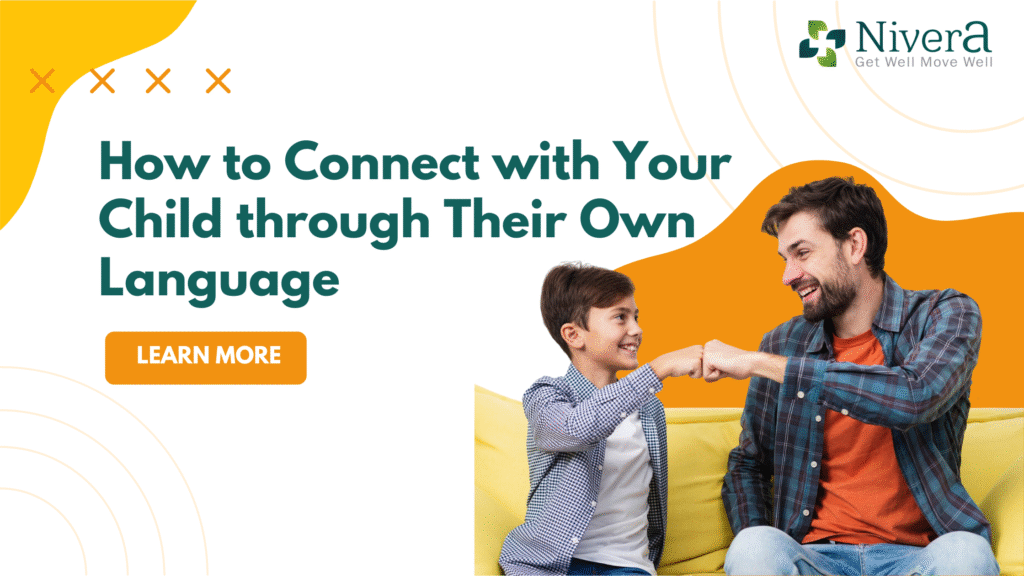
Parenting is more than providing food, education, and shelter—it’s about building a strong emotional connection with your child. Every child has their own way of expressing love, emotions, and needs. Some children talk, some show through actions, and others communicate through play or body language. When parents connect with their child in their own language, the bond becomes deeper, trust grows stronger, and communication improves naturally.
In this blog, we’ll explore how parents can understand their child’s unique way of communication, discover their love language, and use simple strategies to bond effectively with kids.
Why Parent-Child Communication Matters
Parent-child communication forms the foundation of every relationship within the family. It is not only about speaking but also about listening, observing, and responding. Children who feel heard and understood are more likely to:
- Develop strong self-esteem
- Show respect towards parents
- Express emotions in healthy ways
- Build resilience in social interactions
- Strengthen parent-child bonding naturally
When parents fail to understand their child’s language, kids may feel disconnected, which leads to misunderstandings, tantrums, or emotional distance.
Understanding Your Child’s Language
Every child has a unique way of expressing themselves. To truly connect, parents should learn to understand their child’s language of love and communication. Here are some important aspects:
- Verbal Communication
Some children talk a lot and prefer to express through words. For them:
- Engage in daily conversations.
- Ask open-ended questions like “What was the best part of your day?”
- Encourage storytelling.
- Non-Verbal Communication
Other children may rely on gestures, facial expressions, or play. For them:
- Observe body language carefully.
- Respond to their cues with empathy.
- Spend time in activities they enjoy.
- Love Languages for Kids
Psychologists suggest that children, like adults, have different love languages:
- Words of affirmation (praise, encouragement)
- Quality time (playing together, reading stories)
- Acts of service (helping with tasks)
- Physical touch (hugs, cuddles)
- Gifts (thoughtful tokens of love)
Identifying your child’s love language helps you connect with your child emotionally.
Parenting Tips to Connect With Your Child
Here are some practical strategies to build a strong emotional connection with children:
- Active Listening
Don’t just hear—listen with attention. Maintain eye contact, nod, and respond appropriately. This shows respect for your child’s thoughts.
- Respect Their Voice
Even small children want their voice respected. Let them share opinions and make small choices (like choosing clothes or snacks).
- Spend Quality Time Daily
Even 15 minutes of undivided attention—without mobile phones or distractions—can make a huge difference in bonding.
- Play Together
Play is a child’s natural language. Whether it’s a puzzle, building blocks, or outdoor games, join them to strengthen trust.
- Positive Parenting Communication
Use positive words instead of scolding. Replace “Don’t do that” with “Let’s try this instead.”
- Encourage Expression of Emotions
Teach children to label emotions (happy, sad, angry). This helps in emotional intelligence development.
- Empathy and Understanding
Put yourself in your child’s shoes. Instead of immediate correction, first understand why they behaved a certain way.
Activities to Strengthen Parent-Child Bond
Here are some simple activities parents can practice:
- Reading bedtime stories
- Family meals without gadgets
- Creative activities like drawing or crafts
- Nature walks with conversations
- Weekly “family game night”
- Practicing gratitude together
These activities improve parent-child relationship and foster trust.
Common Challenges in Communication & How to Overcome Them
- Child doesn’t open up → Be patient, ask indirect questions, engage in play.
- Generation gap in communication style → Learn their interests (cartoons, games, music) and talk in that context.
- Emotional outbursts → Stay calm, acknowledge feelings, then guide with solutions.
- Parents too busy → Schedule fixed “connection time” daily, even if it’s short.
Q&A Section
Q1: How do I know my child’s love language?
👉 Observe what makes your child happiest—praise, gifts, hugs, or time with you. That’s their love language.
Q2: My child doesn’t talk much. How can I connect?
👉 Use non-verbal cues, play-based activities, and gentle encouragement. Communication isn’t always verbal.
Q3: What if my child rejects my attempts to bond?
👉 Don’t force. Keep showing consistency, empathy, and respect. Children open up slowly when trust builds.
Q4: Can occupational therapy or child therapy help in communication?
👉 Yes. For children with developmental delays, autism, or ADHD, therapies like speech therapy, occupational therapy, and sensory integration can improve communication skills.
Conclusion
Connecting with your child through their own language is not about changing them—it’s about adapting yourself as a parent. By listening, respecting, and understanding their unique way of communication, you build trust, love, and lifelong bonding. Remember, strong parent-child communication is the key to raising emotionally intelligent, confident, and happy kids.