Our Archive

Welcom to our archive

Nivera Child Development Centre > Occupational Therapy

Occupational therapy (OT) is one of the most powerful interventions that helps people of all ages live meaningful, independent, and productive lives. Whether it’s a child struggling with developmental delays, a student facing handwriting challenges, an adult recovering from a stroke, or an elderly person coping with dementia—occupational therapy plays a vital role in improving daily living skills and overall quality of life. At Nivera Child Development Center, Kochi, we provide the best occupational therapy in Kerala for children and adults, focusing on personalized care, evidence-based techniques, and holistic support. This blog will give you a complete guide to occupational therapy—its importance, benefits, techniques, and how it can help individuals achieve their fullest potential What Is Occupational Therapy? Occupational therapy is a healthcare profession that helps individuals develop, recover, or maintain the skills needed for everyday living. The word “occupation” refers not just to work, but to all meaningful activities a person does—such as self-care, education, play, social participation, and employment. An occupational therapist (OT) works closely with children, adults, and families to assess abilities, set goals, and create customized therapy plans. Importance of Occupational Therapy Improves independence in daily activities Enhances cognitive, physical, sensory, and motor skills Boosts confidence and emotional well-being Prepares children for school success Helps adults recover after illness, injury, or surgery Supports elderly people to live independently Benefits of Occupational Therapy For Children: Supports developmental milestones, improves handwriting, builds attention, manages autism and ADHD. For Adults: Helps stroke patients, mental health recovery, and return-to-work programs. For Elderly: Maintains memory, mobility, and independence in dementia or age-related decline. Occupational Therapy for Children At Nivera CDC, Kochi, pediatric occupational therapy focuses on: Autism spectrum disorder ADHD and hyperactivity Developmental delays Learning disabilities Sensory processing disorders Handwriting difficulties Speech and language delays (in collaboration with speech therapists) We use sensory integration therapy, play-based learning, and structured exercises to build essential life ski Occupational Therapy for Adults Many people believe OT is only for children, but it is equally beneficial for adults. Our therapists in Kochi provide: Stroke rehabilitation Therapy for cerebral palsy and physical disabilities Training for daily living skills after injury or surgery Support for mental health conditions like depression or anxiety Dementia and elderly care programs   Occupational Therapy Techniques We Use Sensory integration therapy Handwriting and fine motor activities Cognitive behavioral techniques Daily living skills training Play-based therapy for children Assistive device training Rehabilitation exercises for physical recovery   Occupational Therapy vs Physiotherapy Many parents and patients wonder about the difference. While physiotherapy focuses on restoring physical movement, occupational therapy focuses on enabling individuals to perform meaningful daily activities using both physical and cognitive skills. At Nivera CDC, Kochi, both therapies complement each other for holistic development.   Why Choose Nivera Child Development Center, Kochi? Team of certified occupational therapists Affordable occupational therapy services in Kochi Individualized therapy plans Multidisciplinary care (speech therapy, physiotherapy, behavioral therapy, Ayurveda, and special education) Parent counseling and home exercise guidance A child-friendly environment with a pre-inclusive school model We are committed to providing the best occupational therapy in Kochi and Kerala with compassionate care and proven results. Q&A Section Q1: Who needs occupational therapy?Children with autism, ADHD, developmental delays, handwriting difficulties, or sensory issues, as well as adults recovering from stroke, injury, or mental health challenges. Q2: How is occupational therapy different from physiotherapy?Physiotherapy improves physical strength and movement, while occupational therapy helps individuals apply those abilities in daily activities like writing, dressing, or work. Q3: Can occupational therapy help with autism?Yes. Occupational therapy is highly effective in managing sensory challenges, improving focus, communication, and self-care in children with autism. Q4: Is occupational therapy available for adults in Kochi?Yes. At Nivera CDC, we offer comprehensive occupational therapy for adults, including stroke rehabilitation, dementia support, and mental health interventions. Q5: How can parents support occupational therapy at home?Parents can follow therapist-recommended occupational therapy exercises at home, create structured routines, and provide sensory-friendly environments.   Final Thoughts Occupational therapy is more than treatment—it is about empowering people to live life to the fullest. From helping children learn to write to enabling stroke survivors to regain independence, OT makes a lifelong impact. At Nivera Child Development Center, Kochi, we believe every child and adult deserves the chance to thrive. With our expert team, personalized care, and holistic approach, we proudly stand as one of the best occupational therapy centers in Kerala.
Read More
Occupational therapy (OT) plays a critical role in helping children and adults develop the skills they need for independence, work readiness, and meaningful participation in society. From pre-vocational training in childhood to vocational rehabilitation for adults, occupational therapy supports individuals in achieving functional, social, and employment goals. At Nivera Child Development Center (CDC) in Kochi, our therapists integrate evidence-based OT interventions to prepare children and adults for daily living, work, and community integration, ensuring they thrive in personal and professional environments What is Pre-vocational and Vocational Rehabilitation? Pre-vocational rehabilitation focuses on skill development for future employment. It includes activities that enhance: Fine and gross motor skills Social and communication skills Cognitive abilities like problem-solving and decision-making Time management, attention, and work-related behaviors Vocational rehabilitation, on the other hand, is designed to help individuals with disabilities or developmental delays obtain, retain, and succeed in employment. Occupational therapists assist with: Job readiness training Workplace adaptations Functional independence in work tasks Social and communication skills for professional environments Together, pre-vocational and vocational rehabilitation ensure a smooth transition from education to meaningful employment, especially for children with special needs and adults with disabilities. Role of Occupational Therapy in Pre-vocational Training Occupational therapy is essential for pre-vocational skill development in children and adolescents. At this stage, OT focuses on: ✅ Developing Work-Related Skills Motor skills: Using tools, handling objects, and coordination exercises Cognitive skills: Following instructions, problem-solving, and attention training Social skills: Teamwork, communication, and understanding workplace etiquette ✅ Functional Independence OT helps children learn self-care, time management, and organizational skills, which are crucial for any future employment. ✅ Confidence and Emotional Resilience Through structured activities, children gain confidence, reduce anxiety, and learn to cope with challenges—preparing them for workplace environments. At Nivera CDC Kochi, our occupational therapists use play-based and task-oriented activities to make pre-vocational training engaging and effective Occupational Therapy in Vocational Rehabilitation For adults and adolescents, vocational rehabilitation focuses on preparing for, obtaining, and maintaining employment. Occupational therapy contributes in multiple ways: ✅ Work Readiness Assessment OTs evaluate: Strengths and challenges in physical, cognitive, and social skills Suitability for specific job roles Need for workplace adaptations or assistive technology ✅ Skill Development Functional skills: Using tools, technology, and work equipment Cognitive skills: Planning, organization, problem-solving, and memory Social skills: Communication, teamwork, and workplace etiquette ✅ Workplace Integration OTs support job placements, internships, and training programs, ensuring individuals can perform tasks effectively and independently. ✅ Emotional Support and Confidence Building Occupational therapy addresses work-related anxiety, frustration, and self-esteem, helping individuals adapt successfully to new work environments. Special Populations Benefiting from OT in Vocational Rehab Occupational therapy supports children and adults with diverse needs, including: Autism spectrum disorder – social and work-related skill development ADHD – focus, organization, and time management Cerebral palsy – motor and functional independence Developmental delays – daily living and pre-employment skills Adults with physical or cognitive disabilities – workplace adaptation and functional independence At Nivera Child Development Center, Kumbalam, Kochi, our OT programs are tailored for each individual, ensuring personalized and effective pre-vocational and vocational rehabilitation. Key Skills Developed Through Occupational Therapy Occupational therapy in vocational rehabilitation focuses on practical, real-life skills: Motor skills: Dexterity, coordination, and hand strength Cognitive skills: Planning, problem-solving, and memory Social skills: Communication, teamwork, and workplace etiquette Daily living skills: Personal hygiene, time management, and task organization Confidence and emotional resilience: Handling stress and building self-esteem These skills are crucial for successful transition to work and long-term independence. Local Importance: OT for Vocational Rehabilitation in Kochi & Kerala Parents and caregivers in Kerala often search for: Occupational therapy vocational training in Kochi Pre-vocational training for children with special needs Vocational rehabilitation programs in Kerala Best occupational therapy center for employment skills Nivera CDC Kochi offers structured pre-vocational and vocational OT programs. Our focus is on functional independence, skill development, and meaningful employment, helping children and adults achieve their potential. Parental Involvement in Pre-vocational and Vocational OT Parents and caregivers play a key role in supporting OT programs: Reinforce daily living and work-related skills at home Encourage participation in structured OT activities Provide emotional support and celebrate progress Collaborate with therapists for goal-setting and progress tracking At Nivera CDC, we conduct parent guidance sessions, ensuring families are part of the rehabilitation journey. Conclusion Occupational therapy is vital for both pre-vocational and vocational rehabilitation. By focusing on functional, cognitive, social, and emotional skills, OT ensures that children and adults with special needs or disabilities develop independence, work readiness, and confidence. Through personalized OT programs, like those at Nivera Child Development Center in Kochi, individuals receive the support, training, and guidance needed for successful employment and meaningful participation in society. Whether it’s pre-vocational skill-building in children or vocational rehabilitation for adults, occupational therapy is the bridge that turns potential into independence and opportunity.
Read More
Hand dominance in children is an essential aspect of early childhood development. Whether your child becomes left-handed or right-handed can influence their fine motor skills, cognitive development, and learning abilities. Understanding hand preference development can help parents support their children in developing coordination and confidence. What Is Hand Dominance in Children? Hand dominance, or handedness, refers to a child’s natural preference for using one hand over the other for tasks like writing, eating, or drawing. Some children are naturally right-handed, while others are left-handed. Identifying your child’s dominant hand is an important milestone in child development. Early signs of hand dominance may appear in toddlers as they start to reach for toys, pick up objects, or begin scribbling. Parents should observe which hand a child consistently prefers for activities requiring fine motor skills. How Hand Dominance Affects Learning Understanding a child’s hand preference is important because it can impact learning and classroom performance. For instance, left-handed children may require adjusted seating arrangements or writing tools to accommodate their dominant hand. Supporting hand preference development can help children succeed academically and socially. Activities to Develop Hand Preference Parents can encourage hand dominance through fun and engaging activities. Some ideas include: ❇️ Coloring or drawing with crayons ❇️ Playing with building blocks or puzzles ❇️ Practicing writing and tracing letters ❇️ Using utensils during meals ❇️ Buttoning and unbuttoning clothing These activities not only help develop fine motor skills but also promote cognitive development and hand-eye coordination. When to Seek Help While most children develop hand dominance naturally, some may experience delays or difficulty establishing a dominant hand. Signs that you may need professional guidance include: ❇️ Inconsistent hand use beyond age 5 ❇️ Difficulty performing tasks with either hand ❇️ Poor coordination or fine motor challenges In such cases, consulting a pediatric occupational therapist can provide strategies and exercises tailored to your child’s needs. Parent Guide to Child Hand Dominance As a parent, your role is crucial in supporting your child’s hand preference development. Observing early signs, encouraging fine motor activities, and understanding whether your child is left-handed or right-handed can make a significant difference in their growth. Remember that every child is unique, and hand dominance develops at its own pace Key Takeaways ❇️ Hand dominance in children is a natural part of development. ❇️ Children may be left-handed, right-handed, or ambidextrous in early years. ❇️ Playing with building blocks or puzzles ❇️ Practicing writing and tracing letters ❇️ Using utensils during meals ❇️ Buttoning and unbuttoning clothing ❇️ These activities not only help develop fine motor skills but also promote cognitive development and hand-eye coordination. When to Seek Help While most children develop hand dominance naturally, some may experience delays or difficulty establishing a dominant hand. Signs that you may need professional guidance include: ❇️ Inconsistent hand use beyond age 5 ❇️ Difficulty performing tasks with either hand ❇️ Poor coordination or fine motor challenges In such cases, consulting a pediatric occupational therapist can provide strategies and exercises tailored to your child’s needs. Parent Guide to Child Hand Dominance As a parent, your role is crucial in supporting your child’s hand preference development. Observing early signs, encouraging fine motor activities, and understanding whether your child is left-handed or right-handed can make a significant difference in their growth. Remember that every child is unique, and hand dominance develops at its own pace. Key Takeaways ❇️ Hand dominance in children is a natural part of development. ❇️ Children may be left-handed, right-handed, or ambidextrous in early years. ❇️ Fine motor skills are closely tied to hand preference development. ❇️ Activities like coloring, drawing, and building blocks help strengthen hand coordination. ❇️ Parents can seek occupational therapy for hand dominance if development delays occur. By understanding how children develop hand dominance and supporting their natural preferences, parents can help their children build strong motor skills, confidence, and a foundation for lifelong learning.
Read More
occupational therapy services
Occupational therapy is an essential service for children and adults who struggle with physical, sensory, or cognitive challenges that interfere with daily living. In cities like Kochi, where urban development and healthcare demands are rising, the need for accessible and affordable occupational therapy has never been greater. Whether you’re a concerned parent, a referring doctor, or a family looking to support your loved one’s growth and independence, this blog will guide you through the most important aspects of finding affordable, effective, and reliable occupational therapy services in Kochi. What Is Occupational Therapy and Who Needs It? Occupational therapy (OT) helps individuals across all age groups to develop, recover, or maintain meaningful activities or ‘occupations.’ For children, this often includes activities like:– Writing– Feeding– Dressing– Coordination and balance– Sensory processing Who benefits from OT?– Children with Autism Spectrum Disorder (ASD)– Kids with ADHD, developmental delays, or cerebral palsy– Adults recovering from stroke, injury, or neurological disorders– Elderly facing motor decline or cognitive issues Why Occupational Therapy Can Be Expensive While the need is significant, many families worry about the costs involved. Here’s why OT services can become expensive: Factors that affect cost:– Therapist’s qualification & experience– Individualized treatment plans– Duration and frequency of sessions– Use of specialized equipment and tools– Type of facility (private vs. charitable or government-based) A 45-minute private therapy session in Kochi can range anywhere between ₹400 to ₹1,200. Multidisciplinary therapy centers may charge more based on additional therapies offered What Makes Occupational Therapy Affordable in Kochi? Despite potential costs, Kochi is emerging as a hub for accessible and affordable occupational therapy thanks to:– Increased number of therapy centers offering competitive rates– Local Ayurveda-therapy integrated clinics offering holistic packages– Collaboration with schools for in-house therapy support– Community outreach programs by NGOs and social initiatives How to Identify Truly Affordable and Reliable Services Affordable doesn’t mean compromising on quality. Use the following checklist to identify the best occupational therapy options in Kochi: ✅ Credentials & Experience✅ Transparent Pricing✅ Facility Standards✅ Reviews & Referrals✅ Therapy Goals & Progress Tracking Top Tips to Access Cost-Effective Therapy Here are smart ways to reduce therapy costs without affecting care quality: ✅ Package Deals & Combo Therapies✅ Sliding Scale Fees✅ Therapy Closer to Home✅ Group Sessions✅ Government Support✅ Online/Teletherapy Notable Affordable Occupational Therapy Centers in Kochi Here are some reputed centers known for offering quality occupational therapy at accessible rates: ⭐ Nivera Child Development Center⭐ Child Rehab Clinics (Ernakulam area)⭐ Government Institutions & NGOs Role of Doctors and Schools in Referrals Often, parents miss the early signs of developmental delays or sensory issues. Pediatricians, neurologists, and child psychologists play a vital role in identifying red flags early and directing families to qualified occupational therapists. Schools too can:– Detect fine motor or attention issues– Refer to in-house therapists or partner clinics– Collaborate with centers like Nivera for periodic developmental screenings Real-life Success Story Meet  a 5-year-old with sensory processing disorder, struggled with basic tasks like wearing clothes, eating, and holding a pencil. His parents couldn’t afford high-end private therapy. They discovered Nivera Child Development Center, where therapy was offered at a subsidized rate. Over six months, child improved significantly in daily activities. Doctor’s Viewpoint: ‘Parents shouldn’t delay therapy due to financial concerns. Affordable options are available in Kochi, and early intervention truly transforms lives.’ Final Thoughts Affordable occupational therapy in Kochi is not only possible—it’s accessible and increasingly widespread. With a thoughtful approach, families can: – Compare centers wisely– Seek referrals from trusted doctors or schools– Utilize support programs and insurance– Choose centers that focus on value-based care Empower your child or loved one without financial stress—because therapy is not a luxury, it’s a right. Q&A Section Q1: Is affordable therapy effective compared to expensive private therapy?Yes, the cost doesn’t determine effectiveness. What matters is the therapist’s skill, experience, and the personalized care plan. Q2: Are there government programs for free or subsidized occupational therapy in Kerala?Yes. Government-run DEICs and some district hospitals provide occupational therapy under state schemes. Q3: Can I get therapy at home or online at a lower cost?Yes. Teletherapy or home-based sessions are more affordable for certain needs. Q4: How many sessions are usually needed? Is long-term therapy expensive?It depends on the child’s condition. Monthly or long-term plans often offer better value. Q5: What should I ask the therapist during my first consultation to understand the cost?– What is the cost per session?– Are there package plans?– Are assessments included?– Are there hidden charges?– Are discounts or financial support options available?
Read More
effective occupational therapy techniques
Introduction Occupational therapy (OT) is more than just a set of exercises—it’s a path to independence, confidence, and improved quality of life. Whether you’re a parent supporting a child with developmental delays, a teacher seeking better ways to assist students, or a therapist exploring new strategies, understanding effective occupational therapy techniques is crucial. These techniques can transform lives by enabling individuals to perform daily tasks, improve motor coordination, boost cognitive functions, and adapt better to their environment. What Is Occupational Therapy? Occupational therapy is a client-centered health profession that helps individuals of all ages perform activities necessary for daily life. It addresses physical, cognitive, sensory, and motor skills challenges that may interfere with participation in everyday routines at home, school, work, and community settings. Why Using the Right Techniques Matters Effective therapy depends on more than diagnosis—it’s about choosing the right occupational therapy techniques for the individual. These methods are tailored to support age-appropriate development, maximize functional independence, promote social and emotional well-being, and prevent further disabilities or regressions Effective Occupational Therapy Techniques You Should Know 1. Sensory Integration Therapy Helps individuals process sensory input more effectively. Techniques include swing therapy, brushing protocols, and using weighted vests. This is particularly effective for children with Autism, ADHD, or Sensory Processing Disorder. 2. Fine Motor Skill Development Strengthens small muscle movements required for tasks like writing and buttoning. Techniques include beading, scissors activities, and handwriting practice. 3. Gross Motor Skill Enhancement Improves body coordination and balance through activities like obstacle courses, animal walks, and ball games. 4. Activities of Daily Living (ADL) Training Focuses on teaching self-care skills such as dressing, grooming, and eating. These are essential for building independence. 5. Cognitive Rehabilitation Improves memory, attention, and problem-solving through memory games, puzzles, and sequencing tasks. 6. Visual Perception Training Enhances how the brain interprets visual input using sorting objects, mazes, and matching patterns. 7. Handwriting Without Tears (HWT) Approach A structured method using multisensory tools to teach handwriting, especially effective for young children. 8. Therapeutic Listening and Auditory Integration Uses specialized music and headphones to regulate emotions, improve focus, and support brain processing. 9. Play-Based Therapy Incorporates play into therapy to develop social, emotional, and physical skills, making therapy more engaging. 10. Assistive Technology and Adaptive Tools Utilizes tools like pencil grips, slant boards, and visual schedules to enhance accessibility and function. Role of Parents, Teachers, and Therapists Parents practice home activities and monitor progress. Teachers provide classroom accommodations. Therapists customize and oversee therapy plans. How to Know Which Technique Is Right? Therapists conduct assessments like sensory profiles and motor proficiency tests to design individualized plans. Real-Life Success Stories Case 1: A 5-year-old learned to dress independently using fine motor activities.Case 2: A child with sensory issues became calmer after using weighted vests and brushing protocols. Conclusion Understanding occupational therapy techniques empowers parents and teachers to support children’s development effectively. Early, consistent application of the right methods builds independence, confidence, and success Q&A Section Q1: Can I try occupational therapy techniques at home without a therapist?A: Yes, but consult a professional for guidance. Q2: How long does it take to see progress in OT?A: Varies, but consistent practice accelerates results. Q3: Are these techniques suitable for all children?A: They must be customized for each child’s needs. Q4: What’s the best age to start OT?A: Ages 0–6 are ideal, but benefits apply at any age. Q5: How can teachers help children with OT needs in classrooms?A: Use accommodations like sensory breaks and visual schedules.
Read More
occupational therapy is essentia
Introduction Occupational therapy for children is more than just treatment—it’s a pathway to greater independence, confidence, and functional development. As awareness grows across India, particularly in cities like Kochi, parents, educators, and pediatricians are beginning to realize how crucial occupational therapy is for children facing developmental challenges. This blog explores why occupational therapy is essential, what conditions it helps manage, and how it transforms lives. What Is Occupational Therapy for Children? Occupational therapy (OT) for children helps them develop the skills necessary to perform everyday tasks. Unlike adults who may need OT for injury recovery, children benefit from therapy that nurtures their developmental milestones. Key focus areas include fine motor skills (like writing or buttoning), gross motor skills (like walking or jumping), sensory processing, coordination, self-care, and behavior regulation. The ultimate goal is to improve their ability to participate in daily life. Common Conditions That Benefit from Occupational Therapy Occupational therapy is recommended for children with a wide range of developmental, neurological, and sensory conditions, including:– Autism Spectrum Disorder (ASD)– Attention-Deficit/Hyperactivity Disorder (ADHD)– Sensory Processing Disorder– Cerebral Palsy– Down Syndrome– Learning Disabilities– Global Developmental DelaysEach child receives a customized plan targeting their unique needs and abilities. Core Benefits of Occupational Therapy for Children Occupational therapy offers multiple benefits that go beyond physical development:– Promotes independence in self-care tasks (dressing, brushing, feeding)– Improves fine and gross motor coordination– Enhances sensory integration and reduces sensory overload– Increases focus, attention, and school readiness– Boosts emotional regulation and social skillsThese improvements significantly enhance a child’s academic, social, and personal life. Role of Occupational Therapists in a Child’s Life Occupational therapists are highly trained professionals who:– Assess developmental delays and skill deficits– Set realistic goals for therapy– Design structured and engaging activities– Provide tools for better motor control and coordination– Educate parents and teachers for continuity at home and schoolThey act as guides in the child’s developmental journey, ensuring progress is tracked and adjusted as needed. How OT Supports Parents and Families Occupational therapy not only helps the child but also supports the entire family. Parents are often trained to:– Understand their child’s behavior and sensory needs– Use therapy tools and exercises at home– Adapt routines to better suit the child’s strengths– Reduce daily stress and manage challenging behaviorsWhen families are actively involved, therapy becomes more effective and empowering. Real-Life Impact: Case Examples and Success Stories Consider the story of a 4-year-old boy who had difficulty holding a pencil and struggled in preschool. With regular OT, he learned to strengthen his hand muscles and improve hand-eye coordination. Another child with autism learned to manage sensory overload and communicate needs better after three months of therapy. These stories reflect the power of timely intervention. Occupational Therapy in India – Growing Need and Awareness India is witnessing a shift in understanding child development. Occupational therapy, once lesser-known, is now being recommended by pediatricians, schools, and child psychologists. Child development centers in cities like Kochi are integrating OT with other therapies like speech and physiotherapy, offering holistic care. The demand for certified and child-focused OTs is rising, creating more opportunities for early help How to Get Started with Occupational Therapy for Your Child If you notice delays in your child’s motor skills, behavior, or social interactions, consult a pediatric occupational therapist. What to expect:– Initial evaluation and parent interview– Customized goal-setting based on child’s needs– Weekly therapy sessions with continuous progress tracking– Parental involvement and regular feedbackThe earlier the therapy begins, the better the outcomes Q&A Section Q1: At what age should a child start occupational therapy?A: Children as young as 1 year old can benefit from OT, especially if there are visible delays or challenges. Q2: How do I know if my child needs OT?A: If your child struggles with motor skills, daily tasks, or sensory issues, consult your pediatrician or a child development center. Q3: Is OT only for children with disabilities?A: No. OT helps all children who show developmental delays or difficulty in performing age-appropriate tasks. Q4: How long does therapy take to show results?A: Progress varies, but many children show improvement within 3 to 6 months of regular sessions. Q5: What should I look for in a good occupational therapist?A: Look for certified pediatric OTs with experience, good communication, and a personalized, play-based approach. Conclusion Occupational therapy for children is not just about treating a condition—it’s about empowering the child to thrive in everyday life. With the right support at the right time, children can overcome developmental challenges, gain confidence, and enjoy a better quality of life. Whether you’re a parent, doctor, or educator, knowing the value of occupational therapy is the first step toward making a difference. Don’t wait—early intervention is key.
Read More
occupational therapist in kochi
Introduction Choosing the right occupational therapist for your child is one of the most crucial decisions you’ll make as a parent. With growing awareness and medical advancements, Kochi has emerged as a thriving hub for pediatric occupational therapy. In this blog, we will help you understand how to identify the best occupational therapist in Kochi and why making the right choice can transform your child’s development. 1. Understanding Occupational Therapy for Children Occupational therapy (OT) helps children develop essential skills needed for daily living and academic success. These include fine and gross motor skills, hand-eye coordination, balance, and sensory integration. For children between ages 1 to 12, OT supports key developmental milestones and fosters independence in daily activities. 2.Why Kochi is Emerging as a Hub for Occupational Therapy Kochi is witnessing a surge in pediatric therapy services. Parents are more informed, and doctors frequently recommend early intervention. Several child development centers in Kochi now provide world-class therapy services with certified professionals and modern infrastructure. 3.Top Qualities of the Best Occupational Therapist in Kochi Look for therapists with:– Recognized qualifications (BOT, MOT)– Pediatric experience– Multidisciplinary team collaboration– Use of updated therapy methods– Excellent parent communication– Positive online reviews and success stories 4. Step-by-Step Guide to Finding the Best Occupational Therapist in Kochi Follow these steps:– Consult your child’s pediatrician for referrals– Verify academic qualifications and licenses– Visit the center to evaluate hygiene and safety– Check therapy goals, duration, and tracking methods– Ensure your child feels comfortable and engaged 5. Red Flags to Watch Out For Be cautious if you notice:– No clear therapy plan or goals– No updates or reports on progress– Unprofessional behavior or poor communication– Frequent staff changes– Use of outdated tools or methods 6.Features of a Good Child Development Center in Kochi An ideal center offers:– A multidisciplinary team (OT, speech, physio, behavior therapists)– Parent involvement programs– Customized treatment plans– Sensory integration tools and therapy rooms– Progress monitoring and feedback systems 7.How Occupational Therapy Can Transform a Child’s Life Early therapy can significantly improve a child’s ability to perform daily tasks, participate in school, and develop social skills. For example, a child with sensory challenges may learn to manage overwhelming stimuli, improving both classroom focus and behavior at home. 8. Top Areas in Kochi to Find Trusted Occupational Therapists Well-established therapy centers are located in Kadavanthra, Panampilly Nagar, Edappally, Vyttila, and Kakkanad. Choose a center close to your home for convenience and consistency in therapy sessions. Q&A Section Q1: When should I consult an occupational therapist for my child?A: If your child shows delays in motor skills, sensory issues, or struggles with daily tasks, consult an OT early. Q2: How long does occupational therapy usually take?A: Duration varies depending on the child’s needs. A typical plan may last from 3 to 12 months. Q3: Can OT be combined with other therapies?A: Yes. OT often works best when combined with speech therapy, physiotherapy, or behavior therapy. Q4: How do I know if my child is improving?A: Regular progress reviews, reports, and visible improvements in daily life are key indicators. Q5: Are parents involved in therapy?A: Absolutely. The best outcomes happen when parents actively participate and practice techniques at home. Conclusion Choosing the best occupational therapist in Kochi is a crucial step in your child’s developmental journey. Look for qualified, experienced, and communicative professionals working within a supportive, child-friendly environment. Early intervention can change lives—start your search today and invest in your child’s brighter tomorrow.
Read More
Top 5 Benefits of Occupational Therapy in Kochi
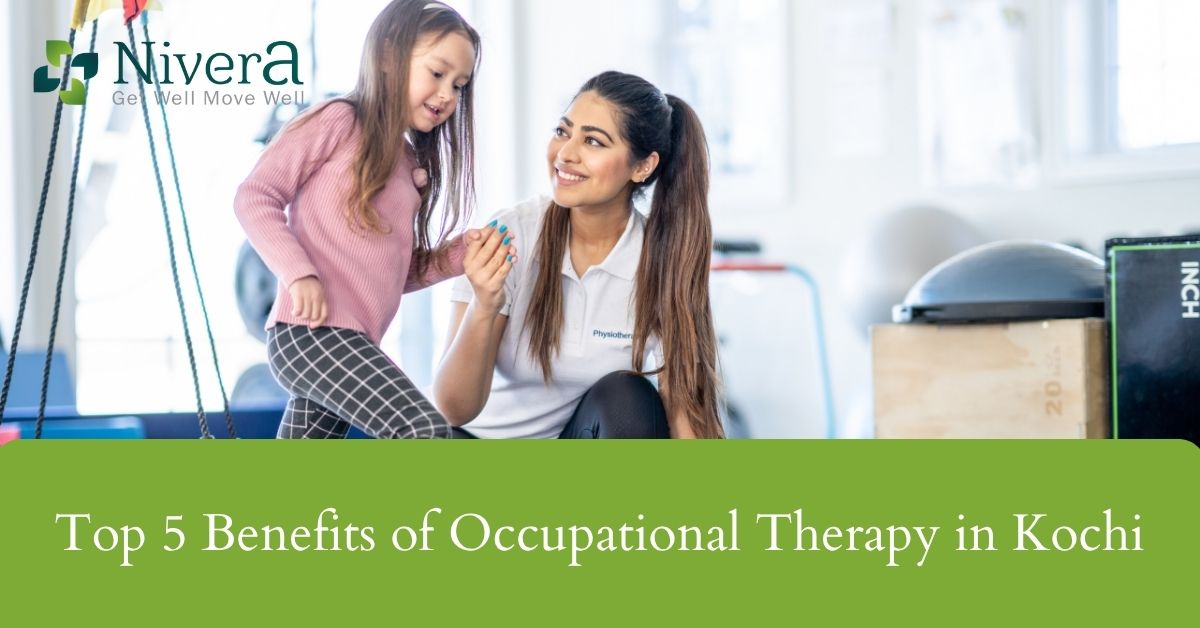
In today’s fast-paced world, many individuals—children, adults, and seniors—struggle with daily tasks due to physical, mental, or developmental challenges. Occupational therapy (OT) offers practical, holistic solutions to overcome these limitations and lead more independent, fulfilling lives.  For those living in Kerala, Occupational Therapy in Kochi is becoming increasingly accessible, thanks to the growth of specialized therapy centers and the availability of trained professionals. In this blog, we’ll explore the top 5 benefits of occupational therapy, especially for families and individuals in Kochi.  Whether you’re a parent concerned about your child’s development or a caregiver supporting a loved one after an injury or stroke, this guide will help you understand how OT can make a meaningful difference. What is Occupational Therapy? Occupational Therapy is a client-centered healthcare profession that helps individuals develop, recover, or maintain the skills needed for daily living and working.  These skills may be affected by physical injuries, developmental disorders, mental health issues, or age-related conditions. An occupational therapist evaluates a person’s strengths and challenges, then develops personalized interventions that promote independence and quality of life. For instance, a child with autism might receive therapy to improve sensory processing, while an adult recovering from a stroke may work on regaining motor control. In Kochi, the demand for occupational therapy has grown significantly, especially in child development centers, rehabilitation hospitals, and inclusive schools.  Expert therapists are now helping people of all ages to live more functional, independent, and confident lives. 1. Improves Daily Living Skills and Independence One of the core goals of occupational therapy is to help individuals manage everyday activities—what we call “Activities of Daily Living” (ADLs).  This includes tasks such as dressing, bathing, grooming, eating, toileting, and even simple mobility tasks like walking or using the stairs. For example:– A child with developmental delays may learn to button a shirt or use utensils through task-based training.– A stroke patient in Kochi may receive OT sessions to relearn how to hold a cup or manage grooming tasks. In Kochi, many occupational therapy centers provide tailored training environments that simulate real-life scenarios, making therapy both practical and effective.  This focus on independence builds confidence in patients and reduces their dependence on caregivers. 2. Enhances Motor and Sensory Processing Skills Occupational therapy is especially valuable for children who struggle with:– Fine motor skills (like writing or buttoning clothes)– Gross motor skills (like jumping or climbing stairs)– Sensory processing issues (over- or under-responsiveness to sensory input) Children with autism, ADHD, dyspraxia, or sensory processing disorder often benefit from sensory integration therapy, a key component of OT. This involves structured, play-based activities that help the brain better process and respond to sensory information. In Kochi, therapy centers now include specialized sensory rooms equipped with swings, textured mats, balance boards, and calming tools to support these interventions. These services help children improve focus, reduce anxiety, and function better both at school and home. 3. Supports Emotional and Social Well-Being Occupational therapy is not just physical—it also addresses emotional, behavioral, and psychological aspects of life. Through occupational therapy:– Children learn how to manage frustration and cope with sensory overwhelm.– Teens build better communication and social skills through group OT sessions.– Adults with mental health conditions like anxiety or depression can regain confidence and motivation. By focusing on coping strategies, emotional regulation, and structured routines, OT creates a stable foundation for mental well-being. In Kochi, occupational therapists work closely with psychologists, speech therapists, and special educators to offer a multidisciplinary approach—ideal for children with behavioral challenges or emotional outbursts. 4. Aids in Rehabilitation and Recovery Occupational therapy plays a vital role in the recovery process after:– Orthopedic surgeries– Accidents or trauma– Strokes or neurological injuries Rehabilitation through OT helps patients regain hand function, improve muscle coordination, and relearn skills like writing, cooking, or driving. Assistive devices, customized exercises, and home modification advice are commonly part of the therapy. Kochi’s rehabilitation hospitals and clinics are now equipped with experienced occupational therapists who support recovery through evidence-based rehabilitation plans. This ensures faster and more sustainable healing, especially when combined with physiotherapy. 5. Personalized, Family-Centered Care Each person’s needs are unique—and that’s why occupational therapy is highly individualized. Therapists develop customized plans that align with the client’s goals, lifestyle, and environment. Moreover, family involvement is a key part of successful therapy. Therapists in Kochi often:– Educate parents and caregivers on home-based strategies– Offer training on using assistive tools or adapting the home environment– Involve family members in setting and reviewing therapy goals This approach ensures that therapy continues even outside the clinical setting, enhancing outcomes and empowering families to become active partners in care. How to Find the Right Occupational Therapy in Kochi If you’re considering occupational therapy, here are a few tips to find the right provider in Kochi:– Look for therapists who are RCI-registered and experienced with your specific condition (pediatrics, geriatrics, neuro-rehab, etc.).– Choose centers that offer multidisciplinary support like speech therapy, special education, or physiotherapy.– Ensure they use a family-centered and play-based approach (especially for children).– Visit the center to see the environment, facilities, and therapist-child interaction. One such center in Kochi is Nivera Child Development Center, known for its dedicated team, holistic programs, and modern therapy tools. Q&A Section: Understanding Occupational Therapy in Kochi Q1: Is occupational therapy only for children? No. While many children benefit from OT, it is equally important for adults recovering from injuries, surgeries, or living with chronic conditions. Seniors facing challenges due to aging can also benefit from OT. Q2: What’s the difference between occupational therapy and physiotherapy? Physiotherapy focuses on physical movement and pain relief, while occupational therapy helps individuals regain functional skills needed for daily life, like using hands, coordinating movements, or managing tasks independently. Q3: How often should my child attend OT sessions? It depends on your child’s needs. Typically, 2–3 sessions per week are recommended, followed by regular progress reviews. Your therapist will create a personalized schedule based on goals and developmental milestones. Q4:Are occupational therapy services in Kochi affordable? Yes. Kochi offers
Read More
Occupational Therapy Services kochi
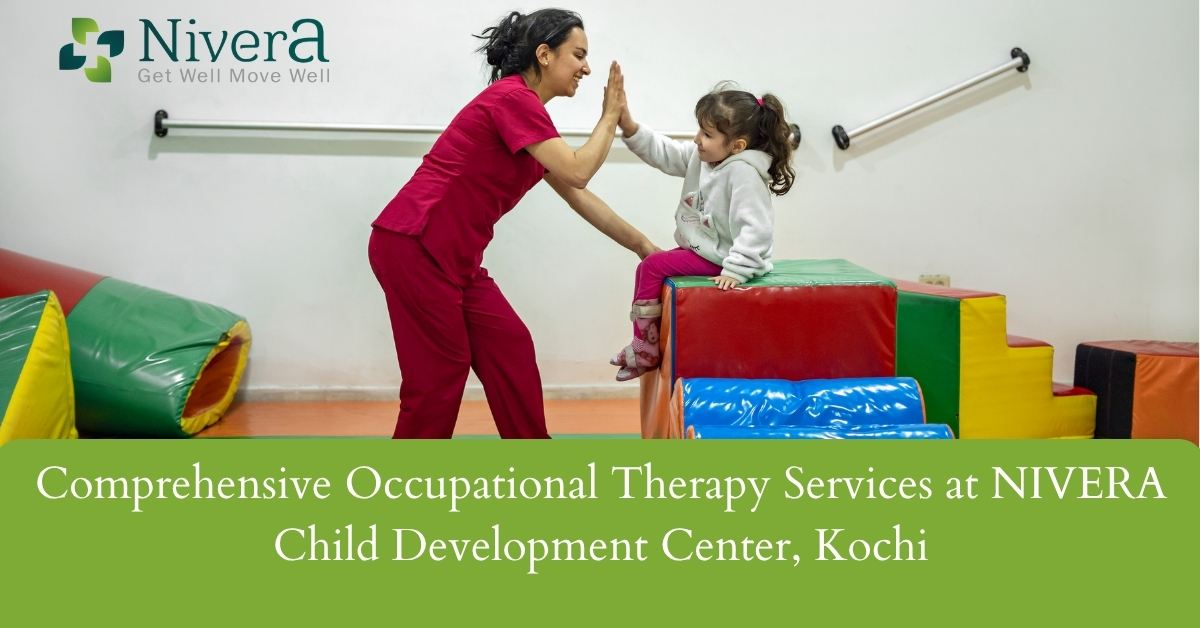
In today’s fast-paced world, developmental challenges among children and functional difficulties among adults and elderly individuals are on the rise.  NIVERA Child Development Center in Kochi is committed to offering high-quality, affordable, and accessible Occupational Therapy services tailored to children, adults, and the elderly.  With a team of dedicated professionals, NIVERA stands out as a trusted name when searching for the best occupational therapist in Kochi. Why Occupational Therapy is Essential for Children Occupational Therapy for children focuses on improving the child’s ability to perform daily activities such as writing, dressing, playing, and interacting socially.  At NIVERA, our pediatric occupational therapists are trained to handle conditions like autism, ADHD, cerebral palsy, sensory processing disorders, and developmental delays. By enrolling in one of the best pediatric therapy programs in Kochi, your child will benefit from customized therapy plans.  These are developed after a thorough occupational therapy assessment, ensuring each child’s unique needs are addressed with targeted interventions. Top 5 Benefits of Occupational Therapy in Kochi Improved Motor Skills – Helping children develop fine and gross motor abilities for better school performance. Enhanced Social Skills – Boosting confidence and communication through therapeutic play and role-modeling. Increased Independence – Empowering individuals to manage daily tasks without assistance. Behavioral Regulation – Teaching coping strategies to manage frustration, hyperactivity, or sensory overload. Support for Families – Educating and involving caregivers to reinforce therapy at home. With these benefits, it’s no wonder that Occupational Therapy in Kochi is becoming increasingly sought after by families looking to support their child’s holistic development How to Choose the Best Occupational Therapist in Kochi Choosing the right therapist involves careful consideration. Look for therapists who are: Certified and experienced in pediatric care. Using effective occupational therapy techniques like sensory integration, play-based therapy, cognitive-behavioral strategies, and assistive technology. Offering home-based occupational therapy when travel is difficult or when the child benefits from therapy in a familiar environment. Part of a multidisciplinary team that includes speech therapists, physiotherapists, and psychologists. NIVERA’s team checks all these boxes, making it one of the top local occupational therapy clinics in Kochi. Exploring Speech Therapy Options in Kochi At NIVERA, we also provide speech therapy in Kochi, complementing occupational therapy to address communication disorders that often coexist with developmental conditions.  Combining these services ensures comprehensive support for the child’s growth. Finding Affordable Occupational Therapy Services in Kochi Healthcare can be costly, but NIVERA is committed to offering affordable occupational therapy without compromising quality.  We believe that every child and adult deserves access to world-class rehabilitation, which is why our packages are thoughtfully designed to suit families from diverse economic backgrounds. Occupational Therapy for Adults and Elderly in Kochi While children form a major portion of our client base, occupational therapy for adults is equally essential.  Adults recovering from stroke, traumatic brain injury, or surgeries benefit greatly from therapy focused on regaining independence.  Similarly, occupational therapy for the elderly at NIVERA addresses issues such as arthritis, cognitive decline, and mobility problems, promoting a better quality of life.   Understanding the Occupational Therapy Assessment Process Before therapy begins, a comprehensive occupational therapy assessment is carried out. This includes: Interviews with parents or caregivers Standardized testing and observation Goal-setting in collaboration with the family This structured process helps in developing a customized treatment plan that addresses the individual’s specific functional limitations and developmental needs. Physical Therapy vs Occupational Therapy: What’s the Difference? It’s common to confuse physical therapy with occupational therapy, but the goals differ: Physical Therapy focuses on improving physical function, strength, and mobility. Occupational Therapy helps individuals regain or improve the ability to perform daily activities. At NIVERA, we provide both services, ensuring comprehensive rehabilitation services in Kochi under one roof. How Occupational Therapy Supports Mental Health Another lesser-known area is occupational therapy for mental health. Our therapists help individuals with anxiety, depression, and behavioral disorders regain a structured daily routine, social engagement, and vocational skills.  It’s a holistic approach to mental wellness, often integrated with counseling and behavioral therapy. Real Stories: Successes in Occupational Therapy from Kochi NIVERA has numerous occupational therapy success stories. One such case involves a 2.6-year-old boy diagnosed with global developmental delay  who struggled with delay speech, sensory processing and fine motor skills.  After 6 months of occupational and speech therapy in Kochi at NIVERA, he showed remarkable progress in communication, achive milestone , and daily living skills. These real-life stories inspire hope and motivate more parents to seek timely intervention. Essential Tips for Maximizing Occupational Therapy Benefits To get the most from occupational therapy: Consistency is key – Attend sessions regularly. Practice at home – Reinforce what’s learned during therapy. Communicate with the therapist – Share observations and concerns. Set realistic goals – Celebrate small victories. Stay involved – Family involvement enhances therapy outcomes. These occupational therapy tips are provided as part of our parent training modules at NIVERA. Conditions Treated by Occupational Therapy in Kochi NIVERA specializes in treating a wide range of conditions: Autism Spectrum Disorder Cerebral Palsy Sensory Processing Disorder ADHD Developmental Delays Stroke Rehabilitation Orthopedic Injuries Dementia and Alzheimer’s If you’re searching for comprehensive rehabilitation services in Kochi, NIVERA is a one-stop solution. Discover Local Occupational Therapy Clinics in Kochi If you’re exploring local occupational therapy clinics in Kochi, we invite you to visit NIVERA Child Development Center at Kumbalam. We offer a welcoming environment with advanced equipment, experienced therapists, and compassionate care for your loved ones Occupational Therapy plays a vital role in empowering individuals across age groups to live independent, meaningful lives.  At NIVERA Child Development Center, Kochi, we pride ourselves on being a center of excellence for occupational therapy in Kochi, offering a holistic, affordable, and result-oriented approach. Whether you’re looking for therapy for your child, adult rehabilitation, or elderly care, NIVERA is your trusted partner. Contact us today to begin your journey toward healing and independence
Read More
Open chat
Hello ????
Can we help you?