Our Archive

Welcom to our archive

Nivera Child Development Centre > Parents Guide

speech therapist in kochi
Speech therapy plays a vital role in helping children and adults communicate effectively. From delayed speech and unclear pronunciation to language disorders and social communication challenges, speech therapy supports individuals in building strong communication skills. At Nivera Child Development Centre, Kochi, we offer compassionate, evidence-based speech therapy services tailored to each child’s unique needs. Speech therapy is a specialized intervention provided by a qualified speech-language pathologist. It focuses on improving speech sounds, language understanding, expressive language, fluency, voice quality, and social communication. Parents searching for a speech therapist near me or speech therapy in Kochi often seek guidance when their child struggles to speak clearly, follow instructions, or express thoughts confidently. What Is Speech Therapy? Speech therapy is a structured program designed to improve communication skills. It addresses speech sound disorders, language delays, stuttering, voice disorders, and communication difficulties related to autism, ADHD,  cerebral palsy, or hearing impairment. Therapy sessions are engaging, play-based, and adapted to suit a child’s age and developmental stage. How Does Speech Therapy Work? Speech therapy begins with a detailed assessment to understand the child’s strengths and challenges. At Nivera Child Development Centre, Kerala, our speech therapists develop personalized therapy plans using games, storytelling, visual aids, articulation exercises, and interactive activities. Therapy focuses on improving pronunciation, vocabulary, sentence formation, listening skills, and social interaction. Parents are guided with home-based activities to support progress. Why Does Speech Therapy Matter? Speech therapy is essential for building a child’s confidence, learning ability, and emotional expression. Delayed speech can affect academic performance, social relationships, and self-esteem. Early intervention ensures faster improvement and long-term success. Children receiving timely speech therapy often show better communication skills, improved behavior, and enhanced overall development. Who Needs Speech Therapy? Speech therapy benefits children with speech delay, unclear speech, limited vocabulary, difficulty understanding language, stammering, voice problems, autism spectrum disorder, ADHD, hearing impairment, or developmental delays. Adults recovering from stroke or neurological conditions can also benefit from speech therapy. Causes of Speech and Language Delays Speech delays may result from hearing loss, neurological disorders, premature birth, genetic conditions, lack of stimulation, or environmental factors such as excessive screen exposure. Identifying the cause early helps in choosing the right therapy approach. When Should Parents Seek Help? Parents should consult a speech therapist in Kochi if their child is not babbling by 12 months, not speaking words by 18 months, unable to combine words by 2 years, or has unclear speech beyond age 3. Early evaluation ensures timely intervention and better outcomes. Why Choose Nivera Child Development Centre in Kochi? Nivera offers expert speech therapy services in Kochi with a multidisciplinary team approach. We combine speech therapy with occupational therapy, behavioral therapy, and psychological support to provide holistic child development. Our centre follows evidence-based practices and focuses on compassionate, family-centered care. vision for your kid Help Your Child Find Their Voice If your child is struggling with speech or language development, early support can make a lifelong difference. At Nivera Child Development Centre, Kochi, our expert speech therapists are here to guide your child toward confident communication. Book a consultation today. Book your Consultation Frequently Asked Questions (FAQ) What is speech therapy? Speech therapy helps improve speech, language, and communication skills. Who needs speech therapy? Children with speech delay, unclear speech, or language difficulties. At what age can speech therapy start? As early as 12–18 months. What age should speech therapy start? As early as 12–18 months if delays are noticed. How long does speech therapy take? Duration varies based on the child’s needs. Is speech delay serious? It can affect learning and confidence if untreated. Can speech delay correct itself? Some mild delays improve, but many need therapy. Does bilingualism cause speech delay? No, bilingual children develop normally. How often are therapy sessions? Usually 2–3 times per week. Where can I find a speech therapist in Kochi? At Nivera Child Development Centre. Is parental involvement important? Yes, home practice improves results.
Read More
speech delay in children
Speech delay is a common concern among parents, especially during early childhood. While professional speech therapy is essential for children with communication difficulties, simple home-based activities can strongly support your child’s speech and language development. At Nivera Child Development Centre, Kochi, we encourage parents to actively participate in their child’s therapy journey through guided, playful communication strategies. Speech therapy at home helps reinforce what children learn during therapy sessions and improves consistency. Parents searching for a speech therapist near me, speech delay in children, or speech therapy in Kochi often want practical ways to help their child between appointments. Why Home-Based Speech Support Matters Children learn best through repetition, interaction, and meaningful communication. Home-based speech therapy techniques create a supportive environment where children feel safe to experiment with sounds and words. Regular practice improves vocabulary, pronunciation, listening skills, and confidence. Early support also prevents minor speech delays from becoming long-term challenges. Technique 1: Talk, Narrate, and Expand Talking to your child throughout the day builds strong language foundations. Describe what you’re doing, name objects, and comment on actions. If your child says a single word like “ball,” expand it into a sentence like “Yes, that’s a red ball.” This technique models correct sentence structure and introduces new vocabulary naturally. Technique 2: Read Together Every Day Reading is one of the most powerful speech therapy tools at home. Choose colorful storybooks and encourage your child to point to pictures, name objects, and repeat simple words. Ask open-ended questions and let your child finish familiar sentences. This strengthens listening skills, word recognition, and expressive language. Technique 3: Use Play-Based Communication Children learn best through play. Use toys, puzzles, pretend play, and games to encourage speech. Role-play activities like cooking, shopping, or doctor visits allow children to practice real-life conversations. Play-based therapy builds vocabulary, social interaction, and turn-taking skills in a stress-free way. Technique 4: Limit Screen Time and Encourage Interaction Excessive screen time reduces opportunities for communication. Replace screen time with interactive play, storytelling, and family conversations. Face-to-face interaction supports eye contact, listening, and expressive language, which are essential for healthy speech development. When Should Parents Seek Professional Help? If your child is not babbling by 12 months, not using words by 18 months, or unable to combine words by age 2, consult a speech therapist. Delayed or unclear speech after age 3 also requires evaluation. Early intervention at a speech therapy centre in Kochi ensures faster progress and better outcomes. How Nivera Child Development Centre Supports Speech Development At Nivera Child Development Centre, Kerala, we provide personalized speech therapy for children with speech delay, language disorders, autism, ADHD, and learning difficulties. Our expert speech therapists combine play-based techniques with evidence-based therapy methods to improve pronunciation, vocabulary, sentence formation, and social communication. vision for your kid Help Your Child Speak with Confidence Simple home techniques can make a big difference in your child’s speech development. For expert guidance and personalized speech therapy support, connect with Nivera Child Development Centre, Kochi today and start your child’s journey toward clear communication. Book your Consultation Frequently Asked Questions (FAQ) Can parents really help with speech therapy at home? Yes, daily practice reinforces professional therapy and speeds progress. How much time should I spend on speech activities? 15–30 minutes daily is effective. Is screen time harmful for speech development? Excessive screen time limits communication opportunities. What age should speech therapy start? As early as 12–18 months if delays are noticed. Can late talkers catch up naturally? Some do, but many benefit from therapy. What causes speech delay in children? Hearing issues, developmental disorders, or environmental factors. Is bilingualism causing speech delay? No, bilingual children develop normally. Should I correct my child’s speech mistakes? Model correct speech instead of direct correction. How long does speech therapy take? Duration varies based on the child’s needs. Where can I find a speech therapist in Kochi? At Nivera Child Development Centre, Kochi.
Read More
ABA therapy in Kochi
Why Speech and Language Milestones Matter Managing challenging behavior in children can be stressful for parents, especially when behaviors affect learning, communication, and social development. Applied Behavior Analysis (ABA) is a scientifically proven approach that helps children develop positive behaviors while reducing problem behaviors. At Nivera Child Development Centre, Kochi, we use ABA techniques to support children with autism, ADHD, learning difficulties, and developmental delays. ABA focuses on understanding why a behavior occurs and how it can be improved using structured, child-friendly strategies. What Is ABA Therapy? ABA therapy is a child-centered, evidence-based behavioral intervention that uses positive reinforcement to encourage desirable behaviors and reduce unwanted ones. It helps children develop communication, social, emotional, and daily living skills in a structured yet flexible way. ABA is widely used for children with autism spectrum disorder, ADHD, and behavioral challenges, making it one of the most trusted therapies in child development. Why Children Show Challenging Behaviors Children may show problem behaviors due to communication difficulties, sensory issues, emotional stress, developmental delays, or lack of coping skills. Some children act out because they cannot express their needs effectively, while others may seek attention or avoid uncomfortable tasks. Understanding the reason behind a behavior is the foundation of successful behavior management. How ABA Helps Manage Child Behavior ABA therapy identifies the triggers and consequences of a child’s behavior and replaces negative patterns with positive, functional behaviors. Therapists break skills into small, achievable steps and reinforce progress through praise, rewards, and encouragement. At Nivera, ABA is customized for each child, focusing on practical improvements at home, school, and social environments. Key ABA Techniques Used in Behavior Management Though ABA is highly individualized, some core techniques include: Positive Reinforcement: Rewarding desirable behavior to encourage repetition Task Analysis: Breaking complex skills into simple steps Prompting and Fading: Supporting learning gradually and reducing assistance Modeling: Demonstrating appropriate behavior Functional Behavior Assessment: Identifying why a behavior occurs These techniques help children learn emotional control, communication, and social skills effectively. Benefits of ABA Therapy for Children ABA therapy improves attention, reduces tantrums and aggression, strengthens communication, enhances social interaction, and builds independence. Children become better at expressing needs, following routines, and adapting to new situations. Parents also gain skills to manage behavior consistently at home, creating a supportive environment for lasting change. When Should Parents Consider ABA Therapy? Parents should consider ABA therapy if their child shows persistent tantrums, aggression, poor social skills, limited communication, difficulty following instructions, or behavioral challenges related to autism, ADHD, or learning disabilities. Early intervention leads to better outcomes and smoother emotional and academic development. Why Choose Nivera Child Development Centre for ABA in Kochi? Nivera offers expert ABA therapy in Kochi delivered by trained behavioral therapists and psychologists. Our multidisciplinary approach integrates ABA with speech therapy, occupational therapy, and special education, ensuring holistic child development under one roof. We focus on compassionate, evidence-based, and family-centered care. vision for your kid Take the First Step Toward Positive Change If your child is struggling with behavior challenges, early support can make a big difference. At Nivera Child Development Centre, Kochi, our expert ABA therapists are here to guide your child toward better learning, communication, and confidence. Book a consultation today. Book your Consultation Frequently Asked Questions (FAQ) What is ABA therapy used for? ABA helps manage behavioral issues and improve learning and communication. Is ABA only for autism? No, it is also helpful for ADHD, learning difficulties, and behavioral disorders. Is ABA therapy safe for children? Yes, it is scientifically proven and child-friendly. At what age can ABA start? ABA can begin as early as 2 years. How long does ABA therapy take? It varies based on the child’s needs. Does ABA replace school education? No, it supports learning and behavior alongside schooling. Can parents be involved in ABA therapy? Yes, parent training is a vital part of ABA. Where can I get ABA therapy in Kochi? At Nivera Child Development Centre, Kochi. Will ABA reduce tantrums and aggression? Yes, with consistent therapy. Is ABA therapy available in Kerala? Yes, Nivera provides expert ABA services in Kerala.
Read More
speech and language milestones
Speech and language development is a vital part of a child’s overall growth. From a baby’s first coos to forming clear sentences, each stage reflects how a child understands and communicates with the world. Many parents worry when their child is not speaking as expected. At Nivera Child Development Centre, Kochi, we help parents understand speech and language milestones and provide expert support when delays occur. Speech refers to how sounds are produced, while language involves understanding and using words meaningfully. Both develop together and are influenced by hearing, environment, interaction, and neurological growth. Why Speech and Language Milestones Matter Speech and language milestones help track a child’s communication development. Meeting these milestones on time supports learning, emotional expression, and social interaction. When children experience delays, early identification allows timely speech therapy and better long-term outcomes. Parents searching for a speech therapist near me or a child development centre in Kochi often notice their child not responding, not speaking clearly, or not forming words compared to peers. These signs should never be ignored. Speech and Language Milestones by Age During the first year, babies communicate through crying, cooing, babbling, and responding to sounds. By 12 months, most children say simple words like “mama” or “dada” and understand basic instructions. Between 1 and 2 years, children begin using 10–50 words and combine two words such as “more milk.” By age 3, children usually form short sentences and can be understood by familiar adults. Between 4 and 5 years, speech becomes clearer, vocabulary expands rapidly, and children can tell simple stories. Every child develops at their own pace, but significant delays may indicate speech and language disorders requiring professional support. Common Signs of Speech and Language Delay A child may have a speech delay if they are not babbling by 12 months, not using words by 18 months, or unable to combine words by 2 years. Difficulty understanding instructions, unclear speech beyond age 3, or limited vocabulary are also warning signs. Early evaluation by a speech therapist in Kochi ensures that underlying causes such as hearing issues, autism, ADHD, or developmental delays are identified early. Causes of Speech and Language Delays Speech therapy plays a critical role in improving communication skills. At Nivera Child Development Centre, Kerala, therapy focuses on improving pronunciation, vocabulary, sentence formation, understanding language, and social communication. Therapy is child-friendly, play-based, and customized to each child’s needs. Speech therapy not only helps children speak clearly but also builds confidence, learning ability, and emotional expression. When Should Parents Seek Help? Parents should consult a speech therapist if their child shows persistent speech delays, difficulty understanding language, unclear speech after age 3, or regression in speech skills. Early intervention is key to faster and better results. Why Choose Nivera Child Development Centre in Kochi? Nivera offers expert speech therapy services in Kochi with a multidisciplinary team approach. We combine speech therapy with occupational therapy, behavioral therapy, and psychological support to ensure holistic child development. Our centre focuses on evidence-based, compassionate care for every child. vision for your kid Support Your Child’s Voice Today If you’re concerned about your child’s speech or language development, early help makes all the difference. At Nivera Child Development Centre, Kochi, our expert speech therapists are here to guide your child toward confident communication. Book a consultation today. Book your Consultation Frequently Asked Questions (FAQ) What are speech and language milestones? They are age-based communication skills children are expected to develop. Is late talking always a problem? Not always, but persistent delays should be evaluated. At what age should a child start talking? Most children say their first words by 12 months. Can speech delay correct itself? Some mild delays resolve, but many require therapy. At what age can learning disabilities be diagnosed? Early signs can appear by preschool age, but formal diagnosis often happens between 6–9 years. What causes speech delay in children? Hearing issues, developmental disorders, or environmental factors. How can parents support speech development at home? Talk, read, sing, and limit screen time. Is bilingualism causing speech delay? No, bilingual children may take slightly longer but develop normally. When should I consult a speech therapist in Kochi? If milestones are missed or speech is unclear after age 3. How long does speech therapy take? Duration varies based on the child’s condition. Where can I get speech therapy in Kochi? At Nivera Child Development Centre, Kochi.
Read More
learning difficulties
Many parents notice their child struggling with reading, writing, attention, or school performance and wonder whether it is a learning difficulty or a learning disability. Understanding the difference is essential for early support and effective intervention. At Nivera Child Development Centre, Kochi, we help parents identify learning challenges early and guide children toward the right therapies and educational support. Understanding Learning Difficulties Learning difficulties are temporary or situational challenges that affect a child’s ability to learn effectively. These may arise due to emotional stress, poor teaching methods, frequent school changes, lack of motivation, or delayed developmental skills. Children with learning difficulties often improve with proper guidance, tutoring, structured routines, and supportive learning environments. These challenges do not indicate low intelligence and are often reversible with early intervention. Common learning difficulties include problems with concentration, slow reading speed, difficulty following instructions, or trouble completing homework. With the right academic strategies and developmental support, children can overcome these obstacles and perform at par with peers. What Are Learning Disabilities? Learning disabilities are neurodevelopmental conditions that affect how the brain processes information. These conditions are lifelong and are not caused by lack of effort, poor parenting, or low intelligence. Children with learning disabilities may have average or above-average intelligence but struggle in specific areas of learning. Examples include dyslexia (reading difficulty), dysgraphia (writing difficulty), dyscalculia (math difficulty), auditory processing disorder, and visual processing disorder. Learning disabilities require structured interventions such as special education strategies, occupational therapy, speech therapy, and behavioral support. Key Differences Between Learning Difficulties and Learning Disabilities The primary difference lies in duration and cause. Learning difficulties are usually temporary and environmental, while learning disabilities are permanent and neurological. Learning difficulties often improve with academic support alone, whereas learning disabilities need long-term therapeutic and educational interventions. Early diagnosis helps parents choose the correct treatment path and avoid unnecessary stress for the child. Signs Parents Should Watch For Children with learning difficulties may show inconsistent academic performance, attention issues, or exam anxiety. Children with learning disabilities may consistently struggle in one area despite repeated practice, show delayed language development, difficulty recognizing letters or numbers, poor handwriting, or challenges with memory and sequencing. If these signs persist across settings such as home and school, professional evaluation is recommended. Importance of Early Assessment Early identification plays a crucial role in a child’s long-term success. At Nivera Child Development Centre in Kochi, our multidisciplinary team conducts detailed developmental assessments to differentiate learning difficulties from learning disabilities. Early intervention improves academic confidence, emotional well-being, and social skills. How Nivera Child Development Centre Helps Nivera offers comprehensive support including developmental assessments, occupational therapy, speech therapy, behavioral therapy, academic skill training, and parent counseling. Our individualized therapy plans focus on the child’s strengths while addressing specific challenges. We work closely with parents and schools to ensure consistent progress. When to Seek Professional Help If your child struggles academically for more than six months despite support, avoids schoolwork, shows low self-esteem related to learning, or teachers raise concerns, it is time to seek professional guidance. Early help can prevent long-term academic and emotional difficulties. vision for your kid Get Clarity, Get the Right Support Understanding whether your child has a learning difficulty or a learning disability is the first step toward effective help. At Nivera Child Development Centre, our experts guide parents with accurate assessments and personalised therapy plans to support your child’s learning journey with confidence. Book your Consultation Frequently Asked Questions (FAQ) Are learning difficulties the same as learning disabilities? No. Learning difficulties are usually temporary, while learning disabilities are lifelong neurological conditions. Can learning difficulties turn into learning disabilities? No, but untreated learning difficulties may affect confidence and academic performance. Does outdoor play help children with developmental delays? Yes, outdoor play improves motor skills, attention, sensory integration, and emotional regulation, especially for children with developmental challenges. Is intelligence affected in learning disabilities? No. Children with learning disabilities often have normal or above-average intelligence. At what age can learning disabilities be diagnosed? Early signs can appear by preschool age, but formal diagnosis often happens between 6–9 years. Can therapy improve learning disabilities? Yes. Therapy helps children manage challenges and reach their full potential. Do learning disabilities require special schools? Not always. Many children succeed in regular schools with appropriate support. What therapies help learning disabilities? Occupational therapy, speech therapy, behavioral therapy, and academic interventions. Can learning difficulties be solved without therapy? Often yes, with academic support and environmental changes. Are learning disabilities genetic? They can have genetic components but are influenced by multiple factors. Where can I get help in Kochi? Nivera Child Development Centre offers expert assessment and therapy in Kochi.
Read More
choose-right-therapy-centre-child-kochi
Choosing the right therapy centre for your child is one of the most important decisions a parent can make. Whether your child needs support for speech delay, autism, ADHD, developmental delay, sensory issues, or motor challenges, the quality of therapy can significantly impact their long-term development. In a city like Kochi, Kerala, where multiple child therapy centres are available, knowing what to look for helps parents make confident and informed choices. At Nivera Child Development Centre in Kochi, we understand that every child is unique, and selecting the right centre should be based on trust, expertise, and a child-centric approach rather than proximity alone. Understand Your Child’s Specific Needs Before selecting a therapy centre, it is essential to clearly understand your child’s developmental needs. Some children may require speech therapy, others occupational therapy, physiotherapy, behavioural therapy, or a combination of services. Centres that offer multidisciplinary care under one roof often provide better coordination and consistent progress. Parents searching for a child development centre in Kochi or a therapy centre near me should ensure the centre conducts proper assessments and offers individualized therapy plans rather than one-size-fits-all programs. Look for Qualified and Experienced Therapists The effectiveness of therapy depends largely on the expertise of the therapists. Qualified professionals with experience in paediatric therapy, autism intervention, ADHD management, and developmental rehabilitation are crucial. Therapists should be trained not only clinically but also in child-friendly, compassionate care. At Nivera Child Development Centre, Kerala, therapy programs are guided by experienced professionals who work closely with children and parents to ensure consistent, measurable progress. Importance of a Multidisciplinary Approach Children with developmental challenges often benefit most from an integrated therapy model. A centre that combines speech therapy, occupational therapy, physiotherapy, behavioural therapy, and psychological support ensures holistic development. Choosing a multidisciplinary therapy centre in Kochi reduces the need to visit multiple locations and allows therapists to collaborate, leading to better outcomes for the child. Child-Friendly and Safe Environment A therapy centre should feel welcoming, safe, and comfortable for children. The physical environment plays a major role in how well a child engages in therapy. Bright, clean spaces with appropriate therapy equipment help children feel relaxed and motivated. Parents looking for the best therapy centre for children in Kochi should observe how children interact with therapists and whether the centre prioritises safety, hygiene, and emotional comfort. Parental Involvement and Communication Effective therapy does not end at the centre. Parents should be actively involved in the therapy process. A good therapy centre educates parents, provides regular feedback, and offers guidance for home-based activities. Centres like Nivera Child Development Centre emphasize parent counselling and training, ensuring continuity of care beyond therapy sessions. Individualised Therapy Plans and Progress Tracking Each child progresses at their own pace. The right therapy centre will create personalised goals and regularly track progress through assessments and reviews. Transparent communication about milestones, challenges, and next steps builds trust and confidence. Avoid centres that promise quick fixes. Developmental therapy is a gradual process that requires consistency and patience. Location, Accessibility, and Consistency While searching for a therapy centre near me in Kochi, location and accessibility matter. Consistent attendance is key to successful outcomes, so choosing a centre that fits into your daily routine helps maintain regular therapy sessions. Nivera Child Development Centre is strategically located in Kochi, making it accessible for families across Ernakulam and nearby areas. Why Parents Trust Nivera Child Development Centre Nivera Child Development Centre in Kochi, Kerala, is known for its child-centric, ethical, and evidence-based approach. With a focus on early intervention, integrated therapy, and family support, Nivera ensures that every child receives personalised care in a nurturing environment. Parents searching for a trusted child therapy centre in Kochi choose Nivera for its professional expertise, compassionate care, and commitment to long-term developmental success. vision for your kid Take the Right Step for Your Child’s Future Choosing the right therapy centre can make a lasting difference in your child’s growth and confidence. At Nivera Child Development Centre, we offer expert, compassionate care tailored to your child’s unique needs. Reach out today and start your child’s journey toward better development and well-being.      Book your Consultation Choosing the right therapy centre can shape your child’s developmental journey. By focusing on professional expertise, a multidisciplinary approach, parental involvement, and a supportive environment, parents can make informed decisions that benefit their child’s future. If you are looking for a reliable, holistic, and child-focused therapy centre in Kochi, Nivera Child Development Centre is here to support your child every step of the way. Frequently Asked Questions (FAQ) How do I know if my child needs therapy? If your child shows delays in speech, movement, learning, behaviour, or social interaction, a developmental assessment at a child therapy centre is recommended. What therapies should a good child therapy centre offer? A quality centre should provide speech therapy, occupational therapy, physiotherapy, behavioural therapy, and psychological support under one roof. How important are therapist qualifications? Highly qualified and experienced pediatric therapists are essential for safe, effective, and evidence-based child development therapy. How often should therapy sessions be conducted? Frequency depends on the child’s condition and therapy plan. Consistency is more important than intensity for long-term improvement. Should parents be involved in therapy sessions? Yes. Parental involvement enhances progress by reinforcing therapy strategies at home and improving understanding of the child’s needs. What age should therapy begin? Early intervention is ideal. Therapy can start as early as infancy if developmental delays are identified. How long does therapy usually take? Therapy duration varies based on the child’s needs, severity of delay, and consistency of sessions. How do I choose the best therapy centre in Kochi? Look for experienced therapists, individualized care plans, parent involvement, and a safe, child-friendly environment. Is Nivera Child Development Centre suitable for different developmental needs? Yes. Nivera offers integrated, child-focused therapy programs for autism, ADHD, speech delays, and developmental challenges.
Read More
supporting siblings of autistic children
When a child is diagnosed with autism, the entire family is affected—not just the child receiving therapy. Siblings of children with autism often experience a unique mix of emotions, responsibilities, and challenges that may go unnoticed. At Nivera Child Development Centre in Kochi, Kerala, we believe that supporting siblings is a vital part of holistic autism care and family wellbeing. Siblings may feel confused, overlooked, protective, or even guilty about their emotions. With the right guidance and family-centered support, siblings can develop empathy, resilience, and a healthy relationship with their autistic brother or sister. Understanding the Emotional World of Siblings Siblings of children with autism often struggle to understand why their brother or sister behaves differently. They may feel frustration when routines change, sadness when parental attention is divided, or worry about social situations. Over time, unaddressed emotions can lead to anxiety, behavioural changes, or withdrawal. In Kerala, where joint families and close social circles are common, siblings may also face questions or misunderstandings from peers and relatives. Open communication within the family helps normalize these feelings and reassures siblings that their emotions are valid and important. Why Sibling Support Is Essential in Autism Care Supporting siblings improves not only their emotional health but also the overall family dynamic. When siblings feel informed, included, and valued, they develop a stronger bond with their autistic sibling. This fosters patience, acceptance, and long-term emotional stability. At Nivera Child Development Centre, Kochi, sibling support is often integrated alongside autism therapy, early intervention programs, and daycare services. This inclusive approach ensures that the needs of every child in the family are addressed, not just the child with autism. Helping Siblings Understand Autism Age-appropriate education about autism helps siblings replace confusion with understanding. Explaining autism in simple, honest language helps children realise that their sibling’s behaviours are not intentional or caused by wrongdoing. This reduces resentment and builds compassion. Using real-life examples, stories, or guided discussions can help siblings understand sensory sensitivities, communication challenges, and behavioural differences. When siblings are informed, they become confident advocates and supportive companions. Making Time for Siblings as Individuals One of the most common challenges siblings face is feeling overlooked. Parents often devote significant time to therapy appointments, school meetings, and caregiving. Making intentional one-on-one time with siblings helps reinforce their sense of importance and security. Even small moments—such as shared hobbies, conversations, or outings—can strengthen emotional bonds. At Nivera, family counseling sessions often emphasize balanced parenting strategies that nurture every child’s emotional needs. Encouraging Healthy Expression of Feelings Siblings should feel safe expressing both positive and negative emotions without fear of judgment. Encouraging open dialogue helps children process feelings like anger, jealousy, or embarrassment in a healthy way. Suppressing emotions can lead to long-term stress. Professional guidance from psychologists or child development specialists can help siblings develop emotional coping skills. This support is especially helpful for families accessing autism therapy or autism daycare centers in Kochi, where emotional balance supports better outcomes for all children. Building Positive Sibling Relationships Structured activities that promote cooperation and shared success can strengthen sibling relationships. Simple routines, joint play, and guided interaction help siblings connect beyond the challenges of autism. Parents can encourage teamwork by involving siblings in achievable caregiving roles without placing excessive responsibility on them. This balance helps siblings feel included rather than burdened. The Role of Professional Support Family-centered care is a cornerstone of effective autism intervention. Child development centres like Nivera Child Development Centre in Kochi, Kerala offer counseling, parental guidance, and sibling-inclusive programs that address the emotional and psychological needs of the entire family. Professional support helps families navigate challenges, improve communication, and create a nurturing home environment where every child can thrive. Supporting Siblings Builds Stronger Families When siblings receive emotional support, understanding, and reassurance, they grow into empathetic, confident individuals. Supporting siblings of children with autism is not an optional step—it is essential for long-term family harmony and child development. At Nivera Child Development Centre, we are committed to inclusive, compassionate care that supports children with autism and empowers their families across Kochi and Kerala. vision for your kid Caring for one child means caring for all. Reach out to Nivera. Book your Consultation Frequently Asked Questions (FAQ) Why is sibling support important in families with autism? Sibling support helps children understand autism, manage emotions, and develop empathy, reducing stress and strengthening family relationships. How do siblings of autistic children usually feel? They may feel confused, ignored, protective, embarrassed, or worried. These emotions are normal and need open discussion and reassurance. How can parents explain autism to siblings? Using age-appropriate language, simple examples, and honest conversations helps siblings understand their brother or sister’s behaviour. Can siblings develop emotional problems due to autism in the family? Without support, siblings may experience anxiety, stress, or behavioural issues. Early guidance prevents long-term emotional challenges. How much responsibility should siblings have? Siblings should be involved in small, positive ways but should not take on adult caregiving roles. Should siblings attend therapy sessions? Occasionally involving siblings in therapy can promote understanding and improve sibling bonding. How can schools support siblings of autistic children? Teachers can provide emotional support, flexibility, and awareness to help siblings cope socially and academically. Are sibling support programs available in Kochi? Are sibling support programs available in Kochi? How does sibling support benefit autistic children? Supportive siblings help create a calm, understanding environment that improves emotional regulation and social development.
Read More
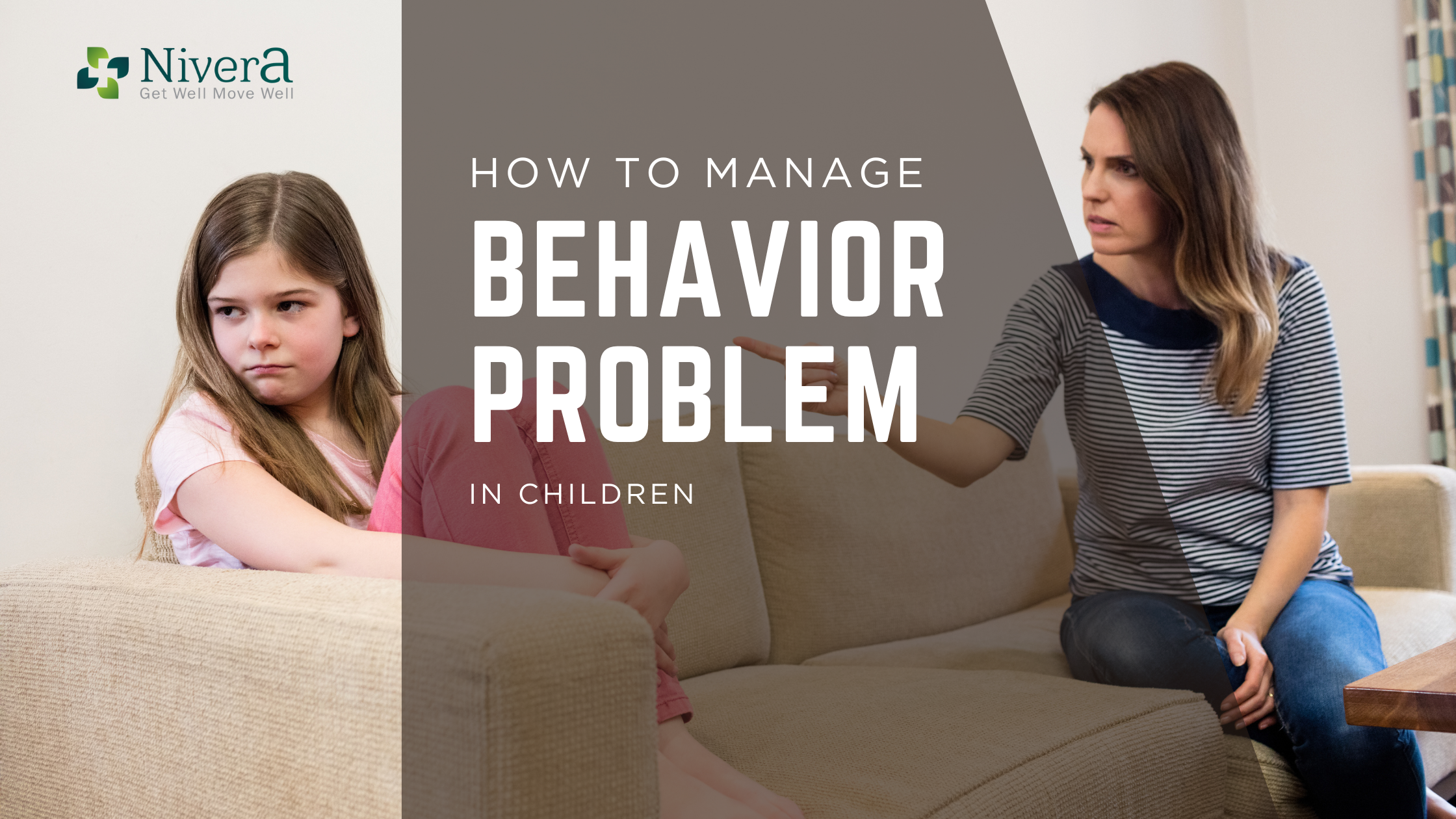
Introduction Every parent has faced moments when their child throws a tantrum, refuses to follow instructions, or acts aggressively. While problem behavior in children is a common part of growing up, how parents respond plays a crucial role in shaping long-term habits, emotional regulation, and social skills. Effectively managing behavior is not about punishment or control, but about understanding, guiding, and teaching children positive ways to express themselves. This blog provides parents with practical strategies, insights, and tools to handle challenging behavior, improve parent-child relationships, and support overall child development.   Understanding Problem Behavior in Children Problem behavior can manifest in many ways: Tantrums and meltdowns Aggression (hitting, biting, yelling) Defiance or refusal to follow instructions Attention-seeking or manipulative behavior Social withdrawal or avoidance Impulsivity and hyperactivity Common Causes of Problem Behavior Developmental stages – Toddlers and preschoolers naturally test boundaries. Emotional triggers – Frustration, fear, or insecurity may result in acting out. Attention needs – Children may misbehave to seek parental attention. Environmental factors – Changes at home, school stress, or inconsistent routines. Underlying conditions – ADHD, autism, sensory processing issues, or learning difficulties.   Key Principles for Managing Problem Behavior Positive Parenting Approach Focus on reinforcing good behavior instead of punishing mistakes. Praise small successes and encourage effort. Maintain consistency in rules and expectations. Set Clear Expectations Explain rules in simple, age-appropriate language. Use visual charts or routines for younger children. Make consequences predictable and fair. Model Appropriate Behavior Children learn by observing. Demonstrate patience, problem-solving, and emotional control. Respond to frustration calmly to teach healthy coping skills. Use Positive Reinforcement Reward desired behavior with praise, tokens, or privileges. Encourage self-regulation and cooperation. Avoid over-reliance on material rewards; focus on intrinsic motivation. Teach Emotional Regulation Help children identify and label their feelings. Introduce breathing exercises, mindfulness, or calming techniques. Use stories, role-play, or games to practice handling emotions. Avoid Negative Reinforcement or Harsh Punishment Physical punishment or yelling can increase aggression and fear. Instead, use time-outs, natural consequences, or logical consequences. Consistency is Key Maintain the same rules at home, school, and other environments. Communicate with teachers or caregivers to ensure uniform behavior management strategies.   Strategies for Common Behavioral Challenges Tantrums & Meltdowns Stay calm and observe triggers. Offer comfort and acknowledgment of feelings: “I see you’re upset.” Teach alternative ways to express frustration. Defiance & Refusal Offer limited choices instead of commands: “Do you want to brush teeth now or after your bath?” Use positive reinforcement for compliance. Aggressive Behavior Set clear boundaries about safety: “No hitting. Hands are for helping.” Teach anger management strategies, such as deep breathing or counting to ten. Attention-Seeking Behavior Give positive attention for appropriate behavior. Avoid reinforcing misbehavior by ignoring negative attention-seeking acts. Impulsivity & Hyperactivity Introduce structured routines and predictable schedules. Break tasks into smaller, manageable steps. Provide physical activity and sensory breaks to channel energy.   Role of Therapy in Managing Problem Behavior Some children benefit from professional support when behavior is persistent or linked to developmental issues: Occupational Therapy – Helps children with sensory processing challenges, self-regulation, and fine motor skills. Behavior Therapy – Teaches positive behavior interventions and support (PBIS). Speech Therapy – Supports communication for children who act out due to frustration from language delays. Parent Training Programs – Educates parents on effective behavior management strategies. At Nivera Child Development Center, Kochi, our experts provide personalized plans, therapy sessions, and parental guidance to effectively manage problem behavior in children.   Tips for Parents at Home Maintain calm and predictable environment. Encourage open communication and active listening. Reward positive behavior and ignore minor misbehavior when safe. Use visual aids, charts, and schedules for routine management. Collaborate with teachers, therapists, and caregivers. Practice patience, empathy, and consistency every day.   Q&A Section Q1: Are tantrums normal in all children?Yes, tantrums are common in toddlers and preschoolers. Frequency usually decreases with age and guidance. Q2: How do I handle aggressive behavior safely?Set clear safety rules, redirect behavior, teach calming techniques, and avoid physical punishment. Q3: When should parents seek therapy for behavior problems?If misbehavior is persistent, severe, or linked to developmental challenges, consult a therapist for guidance and early intervention. Q4: Can consistent parenting really change behavior?Absolutely. Consistent, positive, and structured parenting is one of the most effective ways to manage and improve problem behavior.   Conclusion Managing problem behavior in children requires a combination of understanding, consistency, and guidance. By adopting positive parenting techniques, teaching emotional regulation, and seeking professional support when needed, parents can help children develop self-control, social skills, and confidence. At Nivera Child Development Center, Kochi, we provide behavior therapy, occupational therapy, and parental guidance to empower families in managing challenging behavior. Early support and intervention lead to healthy parent-child relationships and long-term behavioral success.
Read More
Introduction Many parents notice that their toddler or preschooler sometimes walks on their toes instead of flat-footed. While this is often harmless, in some cases it may indicate habitual behavior, developmental differences, or underlying medical conditions. Understanding why children walk on toes, when it is normal, and when to seek professional help is crucial for parents, caregivers, and therapists. This blog explores the causes, insights, and interventions related to toe walking in children. What is Toe Walking? Toe walking is when a child walks primarily on their toes or the balls of their feet, with limited or no contact with the heels. Common in toddlers learning to walk Can be temporary or persistent May be classified as: Idiopathic Toe Walking (no known cause) Habitual Toe Walking (behavioral) Medical Toe Walking (linked to neurological or muscular conditions) Is Toe Walking Normal? Occasional toe walking is normal in toddlers (ages 12–24 months) as they learn balance. Persistent toe walking beyond age 2–3 years may require assessment. Children who walk exclusively on toes or show other motor delays may benefit from evaluation by a pediatrician or therapist. Causes of Toe Walking Habitual Toe Walking Often develops as a habit without medical cause. Children may continue toe walking after the toddler years simply because it feels comfortable. Usually responds well to stretching exercises and behavioral strategies. Neurological or Developmental Conditions Autism Spectrum Disorder (ASD) – Some children with autism walk on toes due to sensory processing differences. Cerebral Palsy – Muscle tightness (spasticity) may cause toe walking. Sensory Processing Disorder (SPD) – Toe walking may provide sensory feedback that feels comforting. Motor coordination delays – Children with balance or gait issues may toe walk. Muscular Causes Tight Achilles tendon or calf muscles – Limits heel contact. Muscle weakness or imbalance can contribute to altered gait. Idiopathic Toe Walking When no medical or neurological cause is found. Often runs in families. Considered benign but still monitored for motor development. Signs That Parents Should Not Ignore Persistent toe walking beyond age 3 Walking only on toes, not occasionally Toe walking with pain or discomfort Poor balance or frequent falls Delays in other motor milestones (running, jumping, climbing stairs) Signs of muscle tightness or neurological issues How to Assess Toe Walking Observation Watch the child walk barefoot on flat surfaces. Note heel contact, gait symmetry, and balance. Medical Evaluation Pediatrician may examine: Muscle tone and strength Reflexes Joint flexibility Neurological signs Therapy Assessment Physiotherapy – Evaluate gait, range of motion, and strength. Occupational therapy – Assess sensory processing and motor coordination. Interventions and Treatment Stretching & Strengthening Exercises Calf stretches, ankle mobility exercises, and balance activities Encourage heel walking during play Occupational Therapy Sensory integration techniques for children with SPD Motor coordination exercises to improve gait Physiotherapy Corrects gait abnormalities Improves muscle flexibility and strength Behavioral Strategies Positive reinforcement for heel walking Fun games that encourage flat-foot walking Medical Intervention (if needed) Orthopedic evaluation for severe cases Braces or casting for persistent Achilles tightness Surgery is rarely required and only for structural issues Tips for Parents Monitor but don’t panic—occasional toe walking is normal Encourage barefoot walking on safe surfaces Integrate stretching and balance games at home Consult a pediatric physiotherapist or occupational therapist if toe walking persists Combine therapy with fun activities to keep the child motivated Q&A Section Q1: At what age should I worry about toe walking?Persistent toe walking beyond age 3–4, or walking exclusively on toes, warrants evaluation. Q2: Can toe walking be corrected at home? Mild or habitual toe walking can improve with heel walking exercises, stretching, and playful activities. Professional guidance is recommended for persistent cases. Q3: Is toe walking linked to autism? Toe walking is more common in children with autism and sensory processing differences, but not every child who toe walks has autism. Q4: Should I consult therapy even if the child seems fine? Early intervention is beneficial. A physiotherapist or occupational therapist can provide exercises and guidance to prevent future gait or motor issues. Conclusion Toe walking in children can be normal or indicate underlying issues. Parents should observe patterns, understand potential causes, and seek medical or therapy guidance if it persists. At Nivera Child Development Center, Kochi, we provide occupational therapy, physiotherapy, and early intervention programs for children who walk on toes. Our experts assess motor skills, sensory processing, and developmental milestones to provide personalized strategies for safe and healthy gait development. Early support ensures children walk confidently, develop strong motor skills, and enjoy active play safely.
Read More
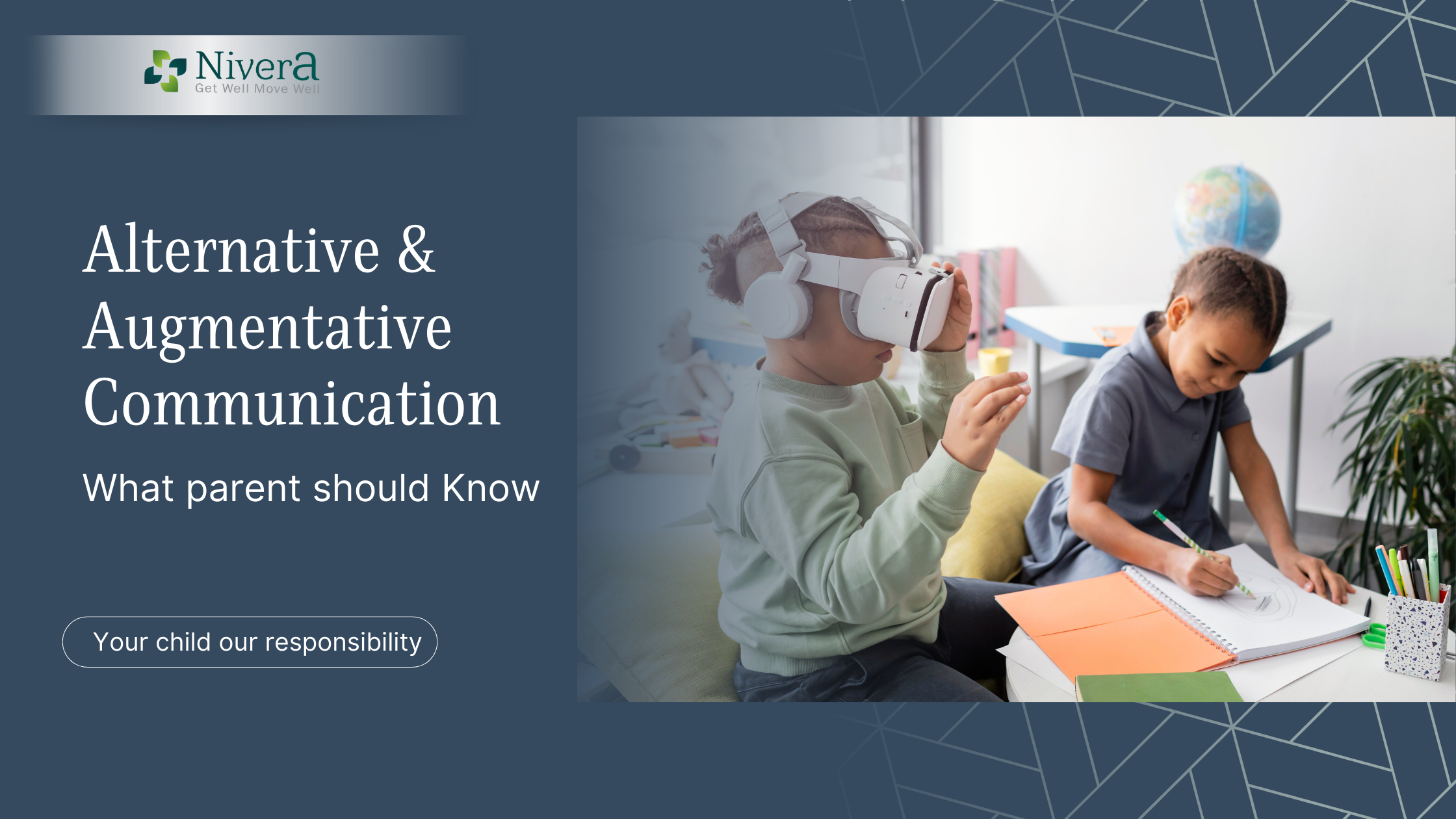
Introduction For many children, speaking words may not come easily. Some children are nonverbal, while others have severe speech delays, autism, cerebral palsy, or developmental conditions that limit their ability to express themselves. This is where Alternative & Augmentative Communication (AAC) becomes life-changing. AAC provides children with tools and strategies to communicate, ranging from simple picture cards to advanced speech-generating devices. For parents, understanding AAC is essential—not only to support their child but also to reduce frustration, improve bonding, and encourage independence. This blog will guide parents through what AAC is, its types, benefits, and how to support it at home—because communication is every child’s right.   What is AAC (Alternative & Augmentative Communication)? Alternative & Augmentative Communication (AAC) refers to methods, tools, and strategies that help people communicate when speech is difficult or impossible. Augmentative: Adds to existing speech (e.g., using gestures or symbols to support spoken words). Alternative: Replaces speech entirely when verbal communication is not possible (e.g., using a speech-generating device).  Simply put: AAC is any method that helps a child express themselves when speech is limited.   Who Can Benefit from AAC? AAC is useful for children and adults who face challenges in expressive communication. Common groups include: Children with autism spectrum disorder (ASD) Kids with speech and language delays Children with cerebral palsy Kids with Down syndrome Children with intellectual disabilities Nonverbal children Children with developmental delays   Types of AAC AAC can be classified into two major types: Low-Tech AAC Picture cards (like PECS – Picture Exchange Communication System) Communication boards or books Visual schedules Gestures and sign language  Easy to use, cost-effective, and great for young children starting with AAC. High-Tech AAC Tablets or mobile devices with AAC apps Dedicated speech-generating devices Eye-gaze systems for children with physical challenges More advanced, customizable, and allows children to “speak” digitally.   Benefits of AAC for Children Improves Communication Skills – Helps children express needs, feelings, and ideas. Reduces Frustration – Children feel understood when they can communicate. Builds Social Interaction – Allows participation in play, school, and family life. Supports Language Development – Encourages vocabulary growth and sentence building. Boosts Confidence & Independence – Children gain control over their environment. Enhances Parent-Child Bonding – Parents understand their child better through AAC tools.   Myths About AAC (That Parents Should Not Believe) “AAC will stop my child from speaking.” Research shows AAC supports and encourages speech development, not prevent it. “AAC is only for children who will never talk.” AAC can be used temporarily to support early communication until speech improves. “It’s too complicated for my child.”With the right training, children—even very young ones—can learn AAC successfully. “Only therapists should use AAC.” Parents, teachers, and caregivers play an equally important role in AAC success.   Parent’s Role in AAC Parents are the most important communication partners for children. Here’s how you can help: Learn the AAC system your child uses (PECS, device, app). Practice at home daily during meals, play, and routines. Model communication by using the AAC device yourself. Be patient and encouraging, don’t force responses. Celebrate small successes—every word, picture, or button pressed is progress. Work closely with therapists (speech therapy, occupational therapy, special educators).   Role of Therapy in AAC At centers like Nivera Child Development Center, Kochi, therapists guide both children and parents in AAC use. Speech Therapy & AAC: Teaches how to use devices, symbols, or apps for communication. Occupational Therapy & AAC: Helps with fine motor skills needed to use AAC tools. Behavior Therapy & AAC: Encourages consistent use and reduces frustration. Educational Therapy: Integrates AAC into academic learning. AAC works best when therapy + parent support + consistent practice come together.   How Parents Can Support AAC at Home Use AAC during daily routines (mealtime, dressing, bedtime). Encourage siblings and family to communicate with AAC. Pair AAC with spoken language to support speech development. Keep communication fun through games, songs, and stories. Collaborate with school teachers to integrate AAC into the classroom.   Q&A Section Q1: Will my child ever talk if they start using AAC?Yes, many children develop speech alongside AAC. It actually improves language skills. Q2: What is the best AAC device for my child?It depends on your child’s needs. Speech therapists can recommend whether a low-tech option (PECS) or high-tech device is better. Q3: Is AAC only for children with autism? No. AAC helps children with autism, cerebral palsy, speech delays, Down syndrome, and other developmental challenges. Q4: How soon should parents start AAC?The earlier, the better. Early intervention with AAC helps children develop strong communication skills faster.   Conclusion Alternative & Augmentative Communication (AAC) is not just a therapy tool—it’s a lifeline for children who struggle to speak. For parents, understanding AAC means giving your child a voice, reducing frustration, and improving bonding. With the right support from speech therapists, occupational therapists, and educational therapists, AAC can transform your child’s communication journey. At Nivera Child Development Center, Kochi, we provide AAC-based speech therapy, occupational therapy, and parental training to help children achieve their communication potential. Remember, every child deserves a way to be heard.
Read More
Introduction Parenting is more than providing food, education, and shelter—it’s about building a strong emotional connection with your child. Every child has their own way of expressing love, emotions, and needs. Some children talk, some show through actions, and others communicate through play or body language. When parents connect with their child in their own language, the bond becomes deeper, trust grows stronger, and communication improves naturally. In this blog, we’ll explore how parents can understand their child’s unique way of communication, discover their love language, and use simple strategies to bond effectively with kids.   Why Parent-Child Communication Matters Parent-child communication forms the foundation of every relationship within the family. It is not only about speaking but also about listening, observing, and responding. Children who feel heard and understood are more likely to: Develop strong self-esteem Show respect towards parents Express emotions in healthy ways Build resilience in social interactions Strengthen parent-child bonding naturally When parents fail to understand their child’s language, kids may feel disconnected, which leads to misunderstandings, tantrums, or emotional distance. Understanding Your Child’s Language Every child has a unique way of expressing themselves. To truly connect, parents should learn to understand their child’s language of love and communication. Here are some important aspects: Verbal Communication Some children talk a lot and prefer to express through words. For them: Engage in daily conversations. Ask open-ended questions like “What was the best part of your day?” Encourage storytelling. Non-Verbal Communication Other children may rely on gestures, facial expressions, or play. For them: Observe body language carefully. Respond to their cues with empathy. Spend time in activities they enjoy. Love Languages for Kids Psychologists suggest that children, like adults, have different love languages: Words of affirmation (praise, encouragement) Quality time (playing together, reading stories) Acts of service (helping with tasks) Physical touch (hugs, cuddles) Gifts (thoughtful tokens of love) Identifying your child’s love language helps you connect with your child emotionally.   Parenting Tips to Connect With Your Child Here are some practical strategies to build a strong emotional connection with children: Active Listening Don’t just hear—listen with attention. Maintain eye contact, nod, and respond appropriately. This shows respect for your child’s thoughts. Respect Their Voice Even small children want their voice respected. Let them share opinions and make small choices (like choosing clothes or snacks). Spend Quality Time Daily Even 15 minutes of undivided attention—without mobile phones or distractions—can make a huge difference in bonding. Play Together Play is a child’s natural language. Whether it’s a puzzle, building blocks, or outdoor games, join them to strengthen trust. Positive Parenting Communication Use positive words instead of scolding. Replace “Don’t do that” with “Let’s try this instead.” Encourage Expression of Emotions Teach children to label emotions (happy, sad, angry). This helps in emotional intelligence development. Empathy and Understanding Put yourself in your child’s shoes. Instead of immediate correction, first understand why they behaved a certain way. Activities to Strengthen Parent-Child Bond Here are some simple activities parents can practice: Reading bedtime stories Family meals without gadgets Creative activities like drawing or crafts Nature walks with conversations Weekly “family game night” Practicing gratitude together These activities improve parent-child relationship and foster trust.   Common Challenges in Communication & How to Overcome Them Child doesn’t open up → Be patient, ask indirect questions, engage in play. Generation gap in communication style → Learn their interests (cartoons, games, music) and talk in that context. Emotional outbursts → Stay calm, acknowledge feelings, then guide with solutions. Parents too busy → Schedule fixed “connection time” daily, even if it’s short.   Q&A Section Q1: How do I know my child’s love language?👉 Observe what makes your child happiest—praise, gifts, hugs, or time with you. That’s their love language. Q2: My child doesn’t talk much. How can I connect?👉 Use non-verbal cues, play-based activities, and gentle encouragement. Communication isn’t always verbal. Q3: What if my child rejects my attempts to bond?👉 Don’t force. Keep showing consistency, empathy, and respect. Children open up slowly when trust builds. Q4: Can occupational therapy or child therapy help in communication?👉 Yes. For children with developmental delays, autism, or ADHD, therapies like speech therapy, occupational therapy, and sensory integration can improve communication skills.   Conclusion Connecting with your child through their own language is not about changing them—it’s about adapting yourself as a parent. By listening, respecting, and understanding their unique way of communication, you build trust, love, and lifelong bonding. Remember, strong parent-child communication is the key to raising emotionally intelligent, confident, and happy kids.
Read More
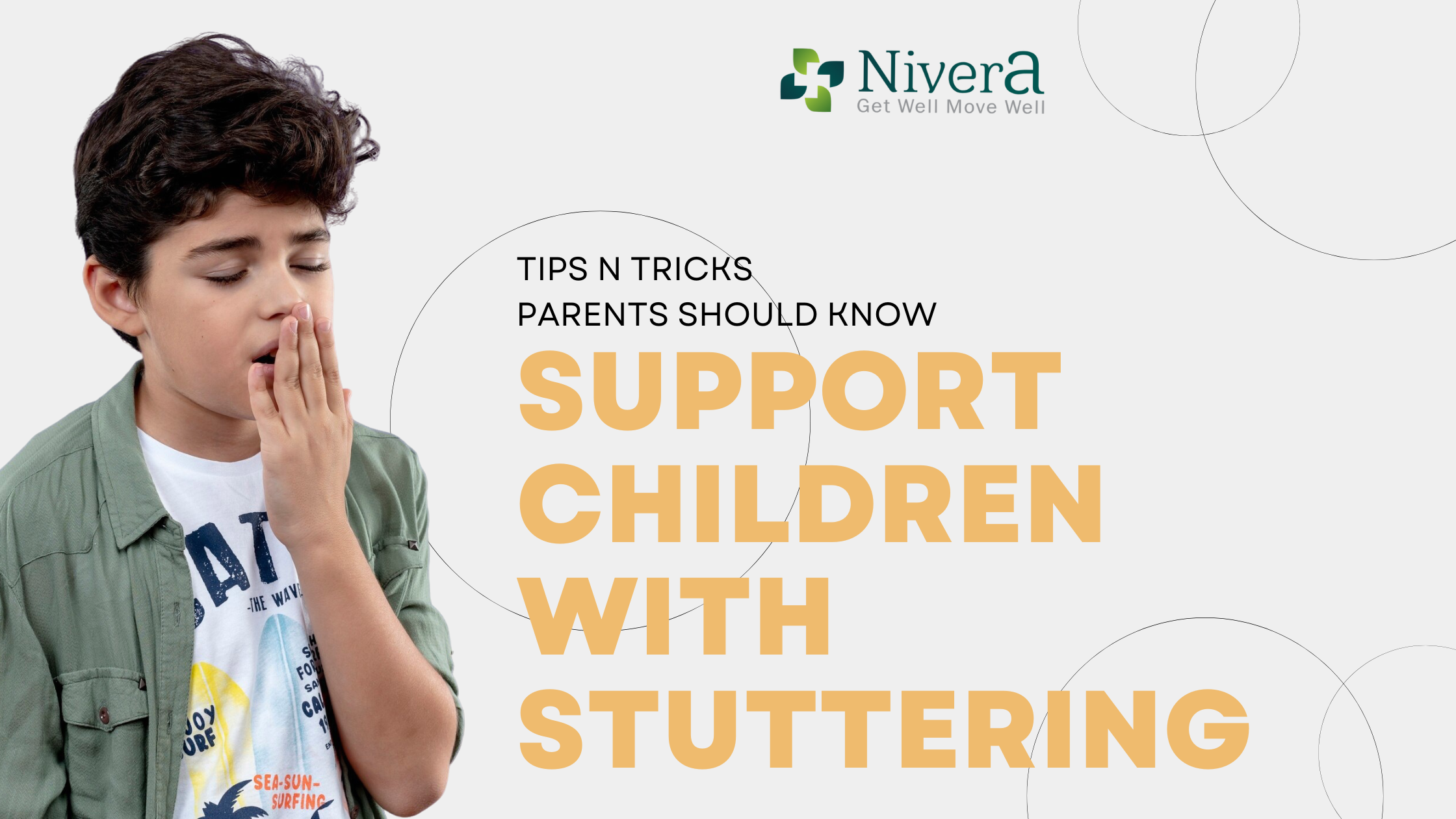
Stuttering, also known as childhood-onset fluency disorder, is a common speech difficulty that affects many children worldwide. While it often begins between ages 2–6, the way parents respond plays a huge role in how a child manages and overcomes stuttering. At Nivera Child Development Center (CDC) in Kochi, we believe that the right combination of speech therapy, parental support, and confidence-building activities can make a life-changing difference for children who stutter. This guide will help parents understand stuttering in children, its causes, early signs, and most importantly, what parents should know to support children with stuttering. What is Stuttering in Children? Stuttering is a speech fluency disorder where a child may: Repeat sounds, syllables, or words (e.g., “b-b-ball”) Stretch out sounds (e.g., “ssssun”) Have speech blocks where the word gets “stuck” Show physical tension in the face or body while speaking It’s important for parents to know that stuttering is not a sign of low intelligence. Many children who stutter are as smart and capable as their peers—what they need is support, patience, and the right therapy. Causes of Stuttering in Kids Experts believe stuttering happens due to a mix of factors: Genetics – Stuttering often runs in families Brain function differences – Variations in how the brain processes speech Developmental factors – Rapid language growth during early childhood Stress or anxiety – Emotional pressure may worsen stuttering Parents must understand that they did not “cause” their child’s stuttering. Instead, their role is to provide support and encouragement. Early Signs of Stuttering in Children Parents should watch for these early signs of stuttering: Repeating sounds, words, or syllables frequently Stretching sounds unnaturally Pauses or “blocks” when speaking Frustration or avoidance of speaking situations Facial grimaces or body movements when trying to talk If these signs persist for more than 6 months, or if stuttering worsens, it’s best to seek speech therapy for stuttering Role of Parents in Supporting Children with Stuttering Parents are the first line of support. Here’s what they should know: ✅ Do’s for Parents Be patient: Give your child time to finish their words without interrupting. Listen fully: Maintain eye contact and show genuine interest. Create a relaxed environment: Avoid rushing conversations. Encourage but don’t pressure: Praise effort, not perfection. Model slow, calm speech: Children learn by example. Read and sing together: Rhythmic speaking helps fluency. ❌ Don’ts for Parents Don’t finish their sentences Don’t criticize or correct every word Don’t force your child to speak in stressful situations Don’t label them as a “stutterer” Emotional Support for Kids with Stuttering Stuttering can affect a child’s self-confidence. Parents should focus on: Building self-esteem through positive reinforcement Encouraging activities where the child feels successful Teaching siblings and friends to be supportive Creating a safe space where speaking is fun, not stressful At Nivera CDC Kochi, therapists provide emotional support for children with stuttering, ensuring that therapy is not just about speech correction but also about confidence building. Speech Therapy for Stuttering Speech therapy is the most effective way to help children overcome stuttering. A qualified speech therapist for kids in Kochi can use: Fluency shaping techniques (slowing down speech, easy starts) Stuttering modification (reducing fear and tension while speaking) Breathing exercises for better control Play-based therapy for younger children Confidence-building activities to reduce anxiety Parents play an active role in therapy sessions by learning home strategies for children with stuttering. Parenting Tips for Stuttering Support Here are practical tips parents can use at home: Set aside one-on-one talking time daily with your child Reduce background distractions (TV, gadgets) during conversations Encourage slow-paced family conversations Celebrate communication, not just fluency Seek professional stuttering therapy in Kochi if symptoms persist Stuttering Support in Kochi & Kerala If you are searching for: Stuttering therapy in Kochi Best speech therapy for stuttering in Kerala Speech therapist for stuttering in Kochi 👉 Nivera Child Development Center, Kumbalam, Kochi offers specialized speech therapy programs tailored for children. Our expert speech therapists provide personalized stuttering interventions that focus on both speech improvement and emotional well-being. Conclusion Stuttering can feel overwhelming for both children and parents, but with the right support, therapy, and encouragement, children can become confident speakers. Parents should remember: Stuttering is common and treatable Early intervention matters Support and patience go a long way Professional help from a speech therapist in Kochi can make a big difference At Nivera CDC Kochi, we are committed to guiding families on how to support children with stuttering, combining speech therapy, parental guidance, and emotional care to help every child reach their full potential. FAQs on Stuttering Support Q1: At what age does stuttering usually begin?Most children start stuttering between ages 2–6, during rapid language development. Q2: Will my child outgrow stuttering naturally?Some children do, but persistent stuttering beyond 6 months may need therapy. Q3: When should I take my child to a speech therapist?If stuttering is severe, lasts over 6 months, or affects confidence, seek help early. Q4: Can parents help reduce stuttering at home?Yes. By creating a calm environment, listening patiently, and avoiding pressure, parents can reduce stress and improve fluency. Q5: Is stuttering therapy available in Kochi?Yes. At Nivera Child Development Center Kochi, expert speech therapists provide stuttering therapy and support for children and parents.
Read More
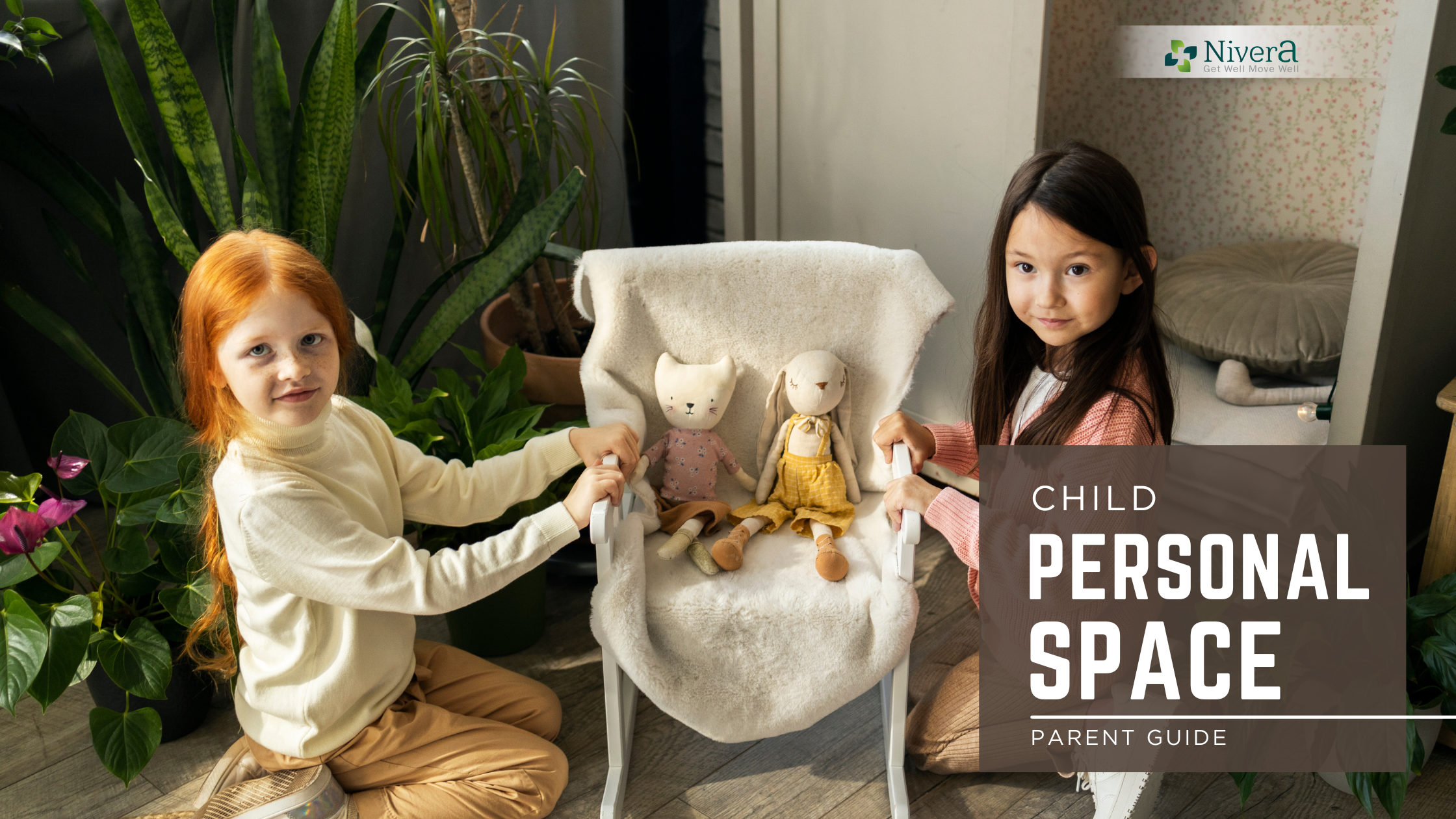
Understanding personal space in children is an essential part of parenting. Teaching kids about boundaries helps them develop respect, self-awareness, and strong social skills. Many children naturally explore their environment and interact with others, but learning to respect personal space is a skill that grows over time with guidance from parents and caregivers. What Is Personal Space in Children? Personal space refers to the physical and emotional boundaries that children feel comfortable maintaining between themselves and others. Respecting these boundaries is crucial for child development and personal boundaries, helping children feel safe, confident, and socially aware. Parents often wonder, “How children understand personal space?” While younger kids may struggle with recognizing boundaries, consistent guidance and age-appropriate activities can help them learn this important skill. Why Teaching Personal Space Matters Teaching children about personal space is not just about physical distance—it also fosters emotional development and respect for others. Children who learn to respect boundaries develop better social skills and healthier relationships. They understand when it’s appropriate to touch, share, or play, which helps prevent conflicts and misunderstandings How to Teach Personal Space to Kids Here are some practical tips for parents: Explain Boundaries Clearly – Use simple language to teach children the concept of personal space and why it matters. Model Respect – Children learn by example, so always respect their space as well. Use Visual Cues – Tools like hula hoops or floor markings can help kids visualize their personal boundaries. Role-Playing Activities – Practice scenarios where children ask permission before touching or entering someone’s space. Reinforce Positive Behavior – Praise children when they respect others’ personal space. These strategies create healthy habits for children and help them understand how personal space affects child development. Activities to Promote Personal Space Awareness Group Games – Games that require children to maintain distance while playing can reinforce boundaries. Storytelling – Stories emphasizing respect and personal boundaries make the concept relatable. Social Skills Exercises – Activities where children practice asking permission and sharing space develop both social skills and personal awareness. Setting Limits and Boundaries for Children Parents should be consistent in setting limits and boundaries for kids. Encouraging children to respect personal space ensures they grow up understanding the importance of respect, empathy, and self-awareness. This guidance is vital not only at home but also in school and social environments. Conclusion Teaching children about personal space is a critical part of their development. By providing guidance through a parent guide to personal space, parents can help their kids develop strong social skills, respect for others, and emotional intelligence. Activities, clear rules, and consistent reinforcement of personal boundaries ensure children grow up confident, considerate, and socially aware. Understanding and promoting personal space in children lays the foundation for healthy relationships, better communication, and lifelong social success.
Read More
Open chat
Hello ????
Can we help you?